In the modern digital landscape, visual content serves as the primary language of commerce. Whether you are launching a startup product or managing a global brand, understanding how to take photos for advertising is a fundamental skill that separates high-performing campaigns from those that fade into the background. Great advertising photography is not just about capturing a clear image; it is about crafting a visual narrative that instantly connects with your target audience’s desires, problems, and aspirations.
Effective advertising images do more than showcase a product; they evoke emotions and build trust. When a potential customer scrolls past your ad, you have less than a second to grab their attention. This article explores the professional techniques, lighting strategies, and creative composition methods needed to elevate your brand through high-impact photography that drives results.
The Strategic Importance of Visual Advertising
Before diving into the technical execution, it is vital to understand why photography is the cornerstone of your marketing strategy. Consumers today are inundated with information; they process images 60,000 times faster than text. This makes photography your most efficient tool for communicating brand values.
Building Emotional Connections
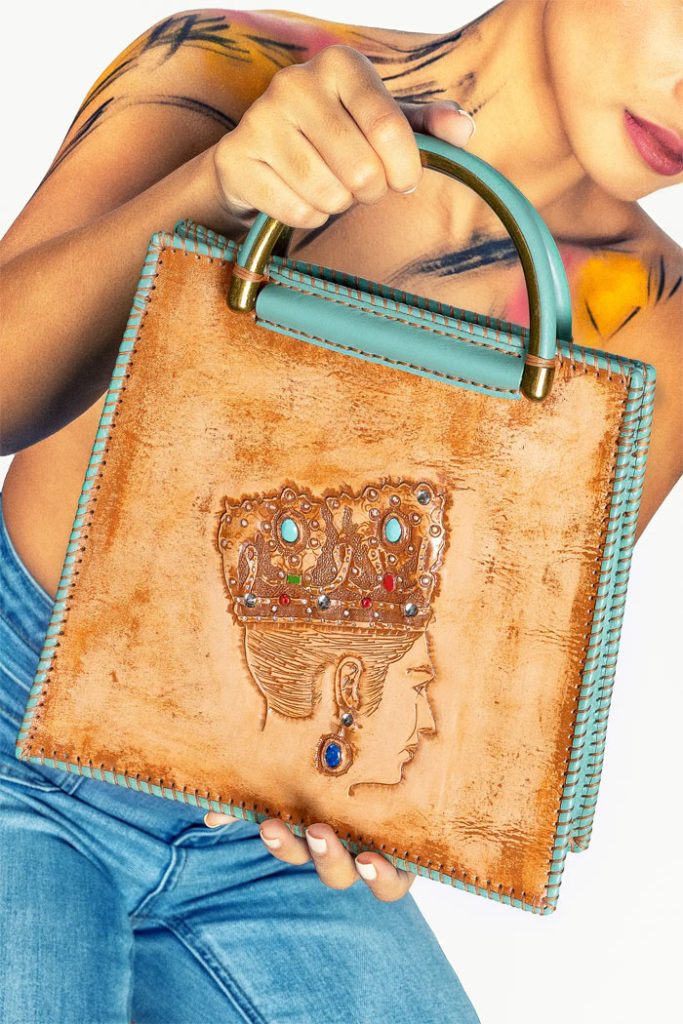
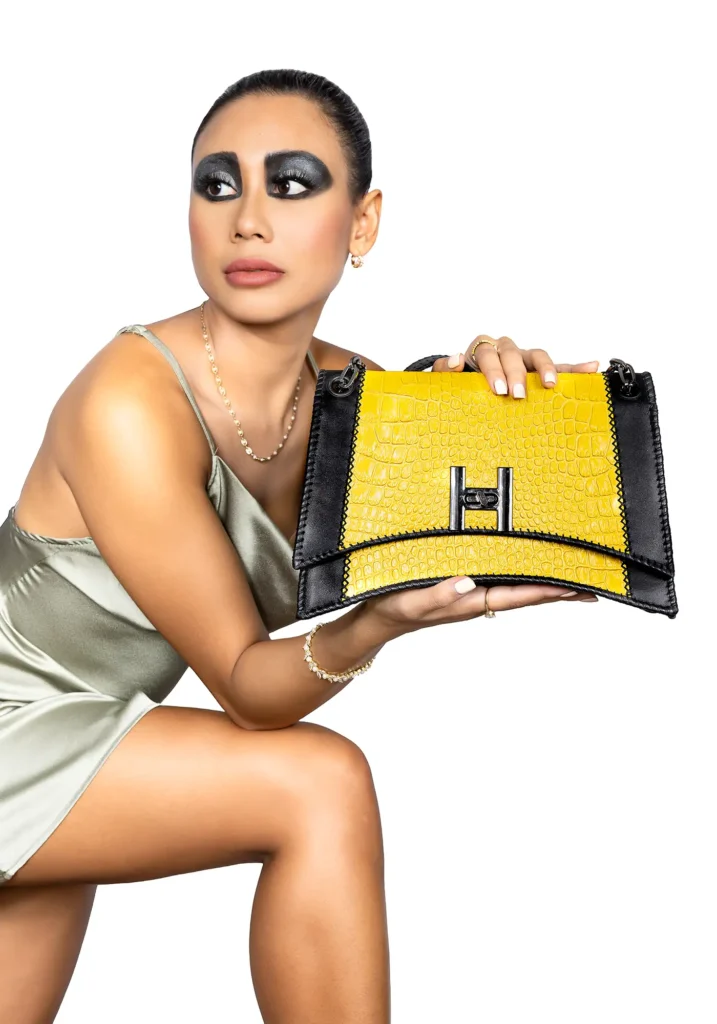

Advertising photography is essentially a psychological exercise. When you learn how to take photos for advertising, you are actually learning how to frame a solution to a consumer’s problem. For instance, a coffee brand does not just sell beans; they sell the warmth, comfort, and productivity of a morning ritual. Your photos should focus on the lifestyle or the benefit, not just the physical item itself.
Establishing Brand Authority
Quality imagery acts as a proxy for product quality. If your photos are sharp, well-lit, and professionally composed, the audience subconsciously transfers those positive attributes to the product. Conversely, blurry, amateur, or poorly lit images signal a lack of attention to detail, which can instantly deter potential buyers.
Commercial Photography and Advertising Photography — Explained Simply
How to Take Photos for Advertising: The Essential Technical Workflow
The technical side of advertising photography requires a precise blend of creative vision and disciplined methodology. To create “ad-ready” imagery, you must master the fundamental pillars of production.
Mastering Lighting Setups
Lighting is the single most significant factor in commercial photography. It defines the mood, texture, and shape of the subject.
- Soft Lighting (Diffused): This is ideal for skincare, beauty products, or luxury items. It minimizes harsh shadows and creates a smooth, flattering look that suggests high quality and care.
- Hard Lighting: Used to emphasize sharp edges, texture, and a modern, dramatic aesthetic. This is highly effective for tech gadgets, automotive photography, or industrial equipment.(Industrial Photography)
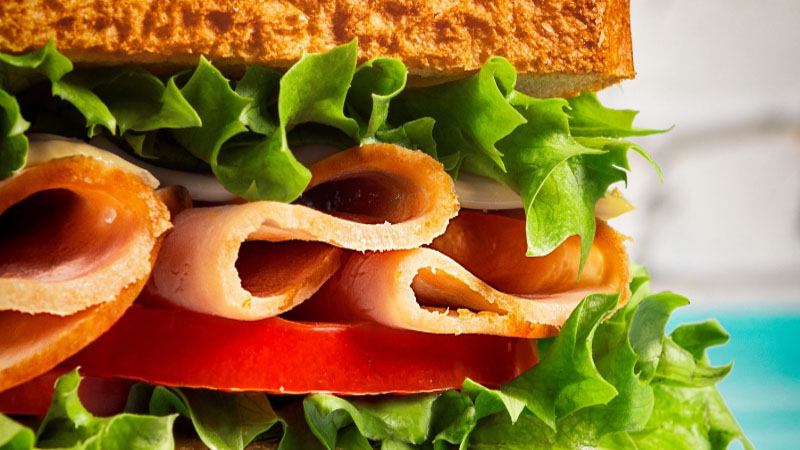
- Backlighting: This technique creates a halo effect around the product, separating it from the background and making it “pop,” which is essential for capturing attention in busy social media feeds.
Composition and the Rule of Thirds
The rule of thirds is a classic guideline where you divide your frame into a 3×3 grid and place your subject along the intersections. This creates visual balance and interest. However, in advertising, you must also prioritize “negative space.” This is the empty area around your product where a marketing team can overlay text, such as discount offers, logos, or call-to-action headlines.
Choosing the Right Gear for Commercial Photography
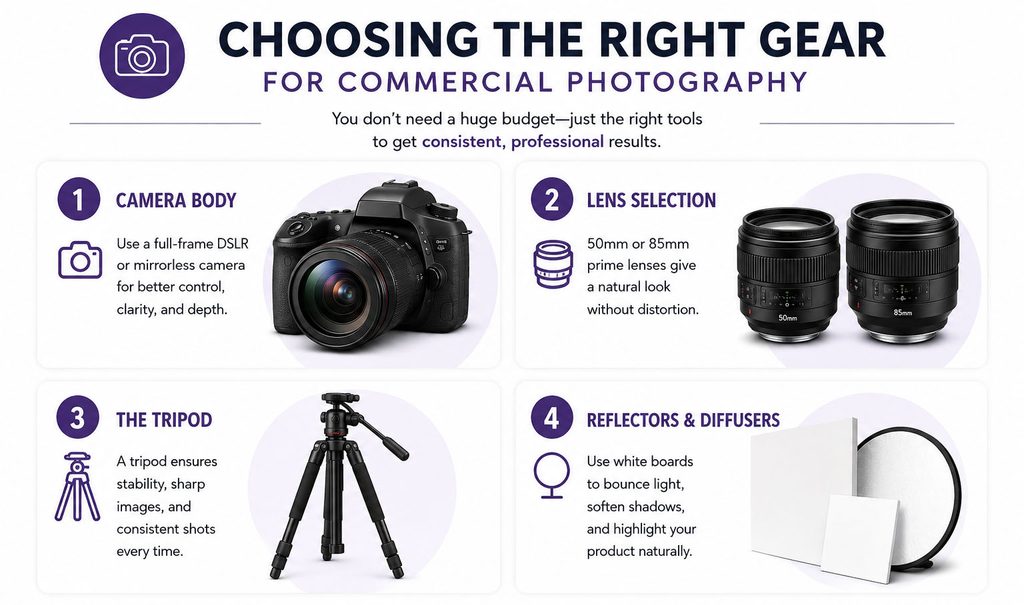
You do not need a six-figure budget to get started, but you do need the right tools to ensure consistency and precision.
- Camera Body: A full-frame DSLR or mirrorless camera is the industry standard. It provides the depth of field control necessary to isolate your product from the background.
- Lens Selection: A 50mm or 85mm “prime” lens is generally superior for product photography. These lenses provide a natural perspective without the barrel distortion often found in wide-angle lenses.
- The Tripod: This is non-negotiable. Advertising photography requires extreme consistency, especially when shooting multiple products for a catalog. A tripod eliminates shaky hands and ensures every shot is razor-sharp.
- Reflectors and Diffusers: Use white foam boards to bounce light back onto your subject. This is an inexpensive yet highly effective “pro” hack to fill in shadows and brighten your subject without adding new light sources.
Mandana Rostami is a North Vancouver Photographer
Studio vs. Lifestyle Photography: Understanding the Difference
When planning your shoot, you must decide between two primary categories of advertising imagery. Each serves a different stage of the marketing funnel.
Product-Focused Photography (The Hero Shot)
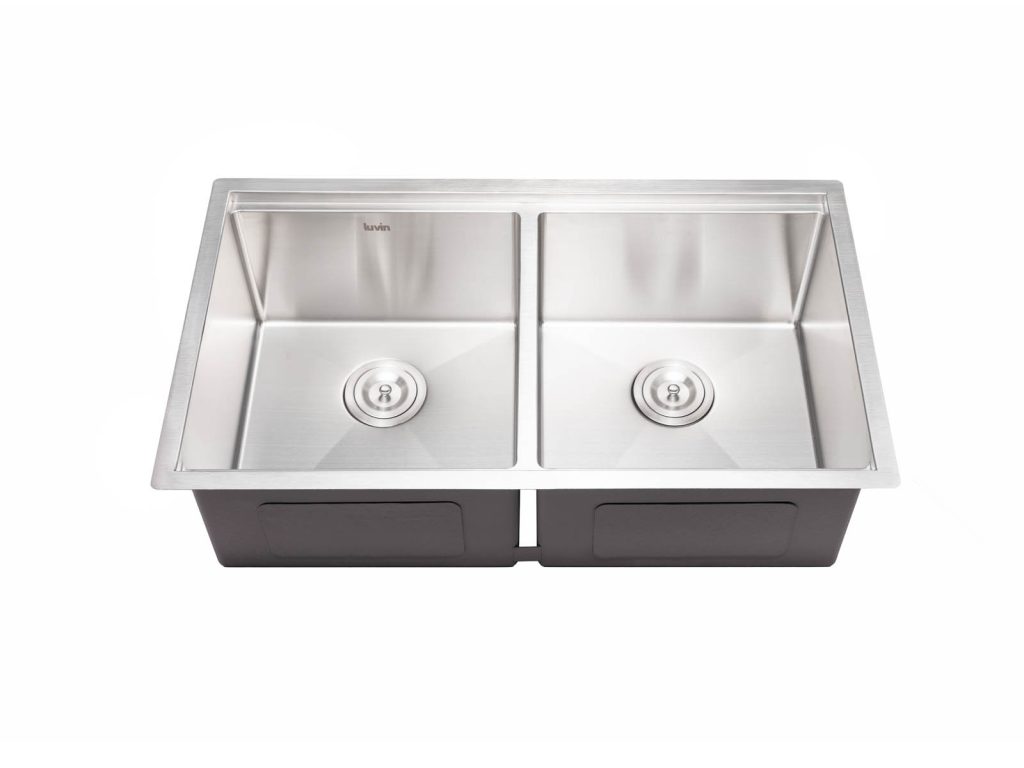
This is the “hero shot.” The product is isolated, typically against a clean, white, or solid background. The primary goal here is clarity and information. The viewer should understand exactly what the item is, what it looks like, and its core features. This style is essential for e-commerce platforms like Amazon, Shopify, or catalog pages.
Lifestyle Photography (Contextual Imagery)
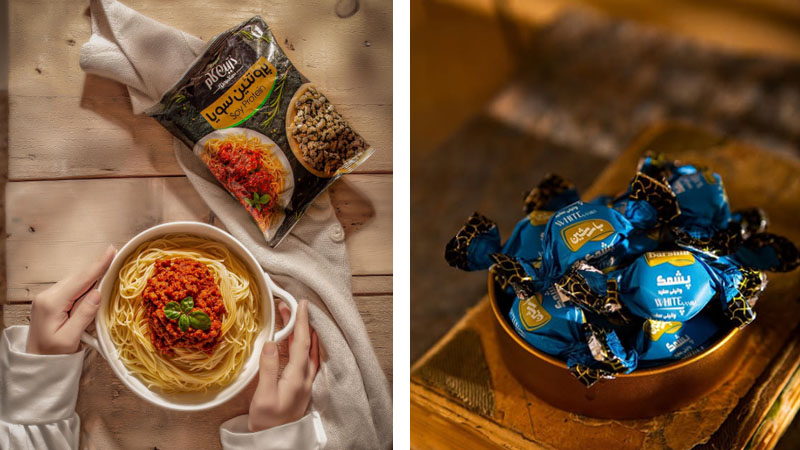
This involves showing the product “in the wild.” For example, a watch is shown on a wrist during a high-stakes business meeting, or a backpack is shown on a hiker in the mountains. This helps the consumer visualize themselves using your product. It bridges the gap between a cold, physical object and a warm, human experience.
Step-by-Step Workflow for a Successful Shoot
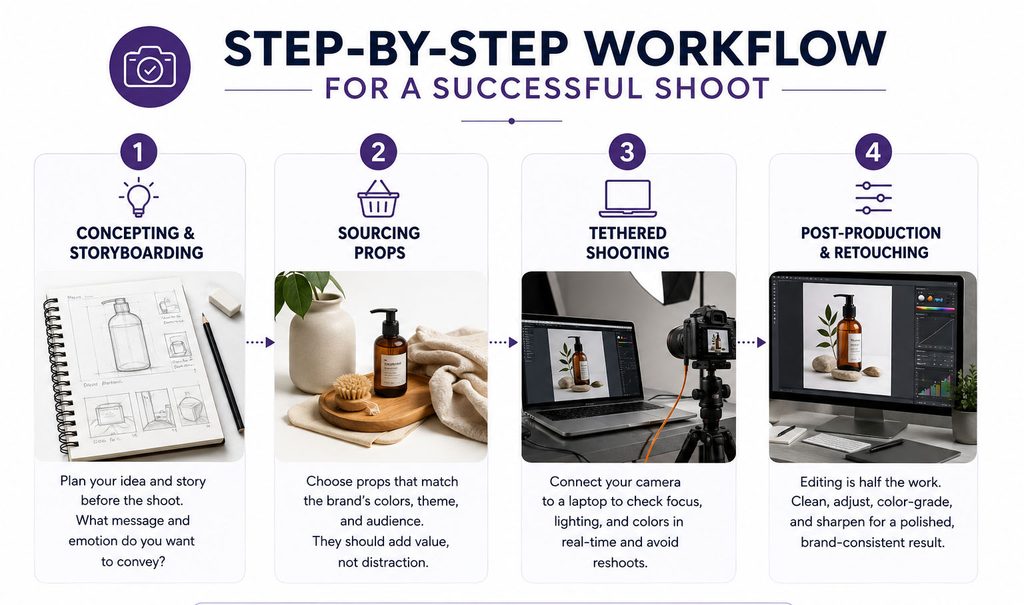
- Concepting and Storyboarding: Before picking up the camera, sketch your ideas. What is the story you are trying to tell? What emotion do you want the viewer to feel?
- Sourcing Props: Gather items that match the brand’s color palette, theme, and demographic. A prop should add value, not distract from the hero product.
- Tethered Shooting: If possible, connect your camera to a laptop. This allows you to check your focus, lighting, and color accuracy on a larger screen in real-time, preventing the need to re-shoot later.
- Post-Production and Retouching: Editing is 50% of the work. This stage involves cleaning up dust, adjusting contrast, color-grading for brand consistency, and sharpening details.
Conclusion
Mastering the skill of how to take Photos for Advertising is a journey of continuous improvement. By combining technical knowledge of lighting and composition with a deep understanding of your brand’s unique story, you can create images that stop the scroll and drive conversions. Remember that the best advertising photos are those that solve a customer’s problem or enhance their life in a visible, tangible way. Start with consistent practice, analyze your results, and always put the viewer’s experience at the center of your lens.
Frequently Asked Questions
Not necessarily. While professional cameras offer more control over depth of field and dynamic range, modern smartphones are capable of high-quality advertising shots if lighting, stabilization, and composition are managed correctly.
Tethered shooting connects your camera to a computer screen while you shoot. It allows you to view images in full resolution immediately, ensuring critical details like focus, exposure, and color are perfect before you finish the session.
Focus on high-quality lighting and clean surfaces. Premium products are often shot with soft, directional light that highlights material quality (such as leather grain, glass clarity, or polished metal) while maintaining deep, clean shadows.
Always plan for “copy space.” This is the area in your photo where marketing text, such as a headline or a call-to-action, will be placed. Compose your shot so the product is to one side, leaving an uncluttered, simple background area for your messaging.
Your imagery should be refreshed whenever your brand positioning changes or when seasonal campaigns demand a new narrative. Stagnant visuals can lead to “ad fatigue,” where your audience stops noticing your ads because they look the same.