If you sell on Amazon.ca or Amazon.com from Vancouver, your product photos are doing the work of a salesperson, a shop window and a spec sheet at once. Shoppers scrolling search results cannot touch your product. They judge it in a fraction of a second, from one small square image.
That is why the right product photographer for Amazon sellers in Vancouver is not a luxury for established brands. It is one of the highest-return investments a new FBA seller can make.
This guide explains what Amazon-ready photography actually involves, which images your listing needs, what it costs in Vancouver, and how to choose a photographer who understands marketplace rules and not only pretty pictures.
Why Amazon Product Photography Is Different From Regular Product Photography
A beautiful product photo and an Amazon-compliant, high-converting product photo are not always the same thing.
Amazon enforces strict rules on the main image, the one shown in search results, ads and at the top of your listing. If it fails the automated checks, your listing can be suppressed, which means you pay for inventory that nobody can find.
According to current marketplace guidance, the main image generally must:
- Use a pure white background (RGB 255, 255, 255), not off-white, cream or light grey
- Show the actual product being sold, not an illustration or 3D render
- Have the product fill about 85% or more of the frame
- Contain no text, logos, watermarks or borders
- Be at least 1,000 pixels on the longest side so zoom works (1,600 to 2,000 px is the safer target)
- Exclude props or accessories that are not included in the purchase
Requirements can vary by category and change over time, so a good photographer checks the current style guide for your category in Seller Central before the shoot, not after the images are rejected.
The secondary images (slots 2 to 9) are where you have creative freedom, and where most sellers leave money on the table.
The Image Set Every Amazon Listing Needs
Think of your listing as a visual story with a job for every image.
1. The Main (Hero) Image
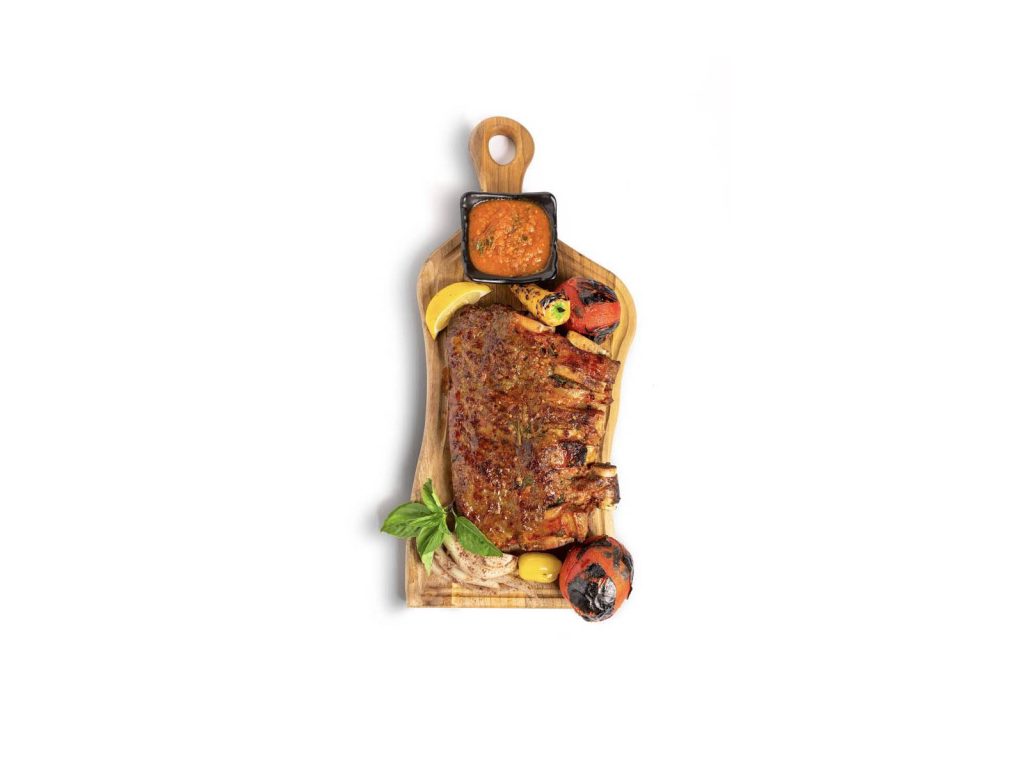
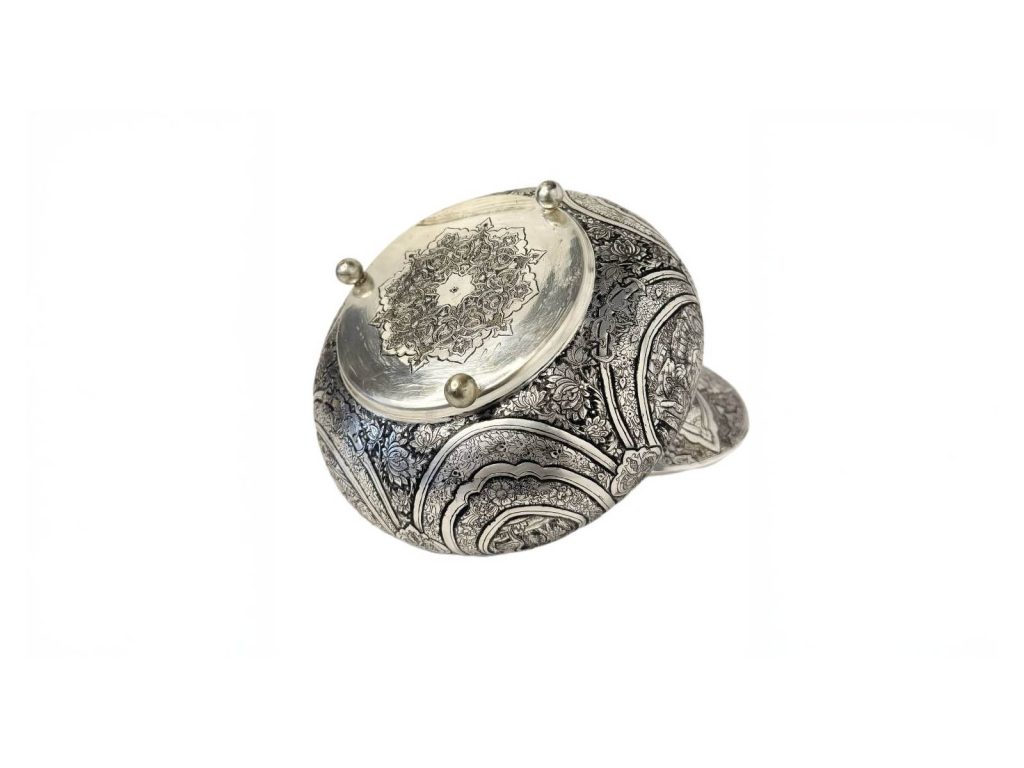
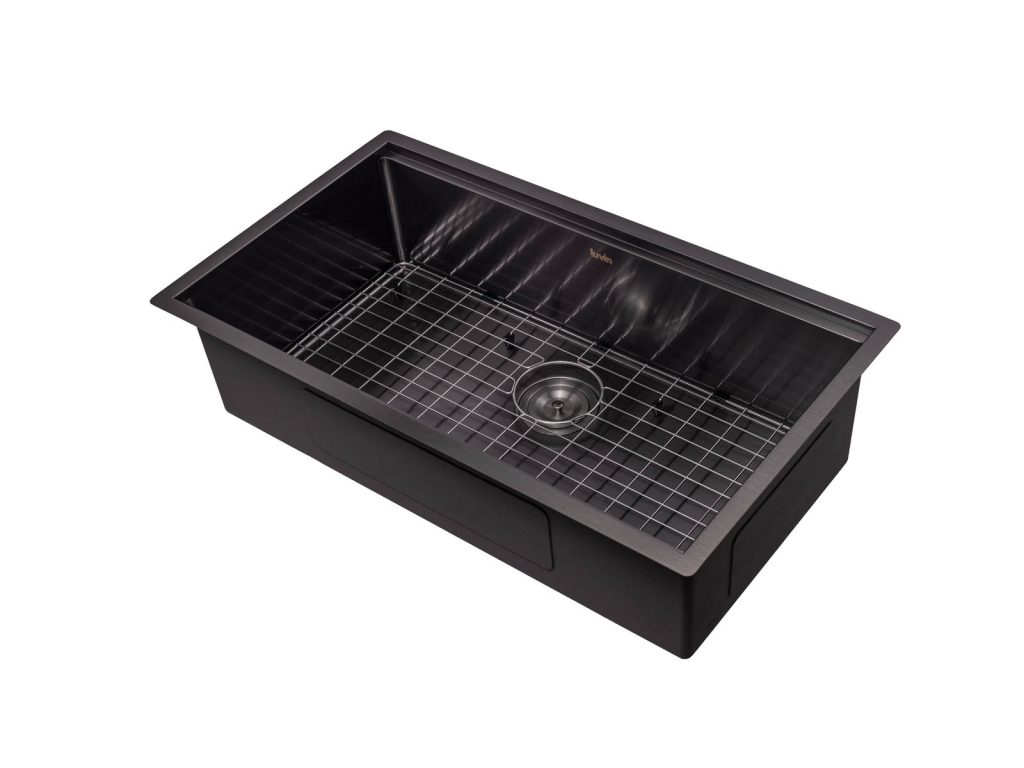
A clean, sharp, perfectly lit shot on pure white. It must stop the scroll and also pass Amazon’s checks. Details that matter: accurate colour, no hard shadows eating into edges, no dust or reflections, and correct framing so the product fills the square.
2. Angle and Detail Shots
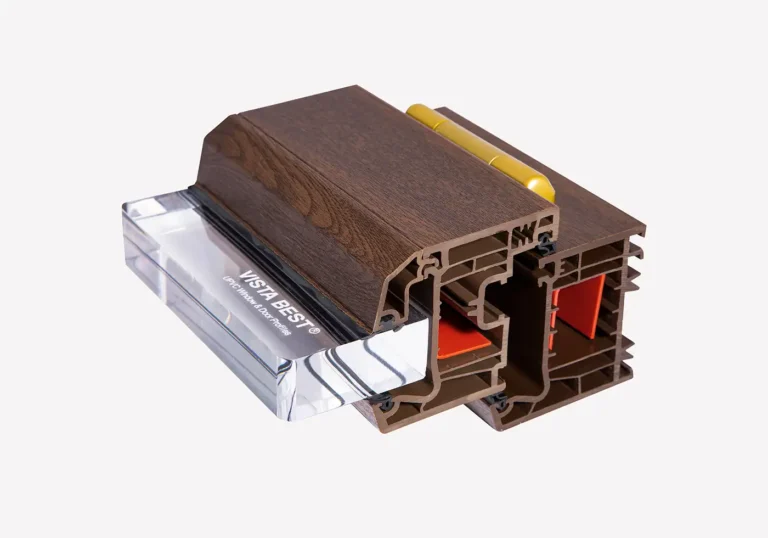
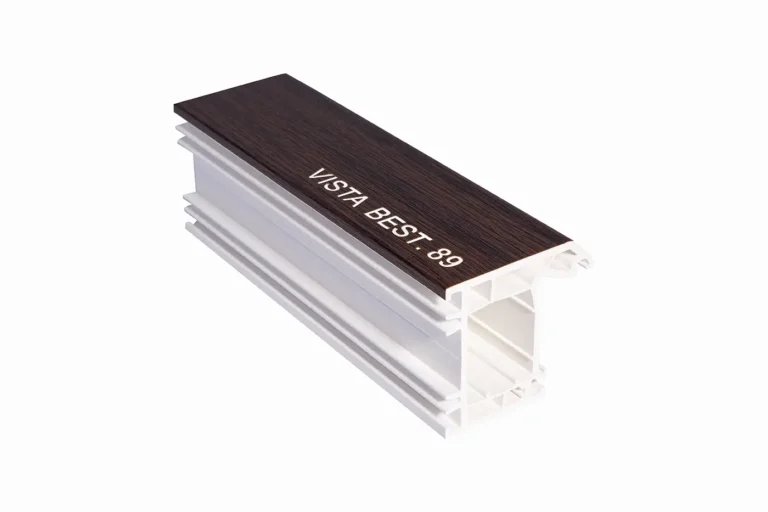
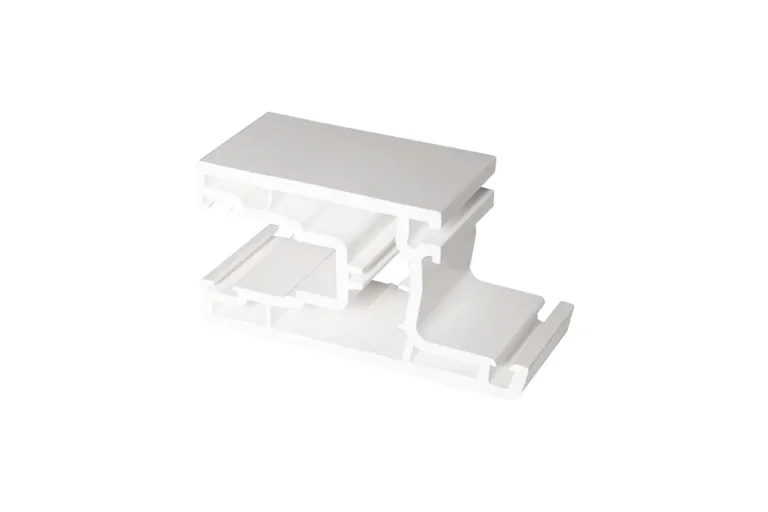
Show the back, the sides, the underside, the ports, the stitching, the label. Shoppers who cannot hold the product use these images to answer questions before they ask them, which also reduces returns.
3. Lifestyle Images
Your product in real use, in a believable setting. This is where buyers picture the product in their own life. For a Vancouver brand, that might be a kitchen product on a real countertop, outdoor gear in a Pacific Northwest setting, or skincare in a bright bathroom.
4. Infographic and Feature Images
Call-outs, dimensions, materials, what is in the box. These are allowed on secondary images (never the main image), and they turn a browser into a buyer by answering objections visually.
5. Scale and Size Comparison
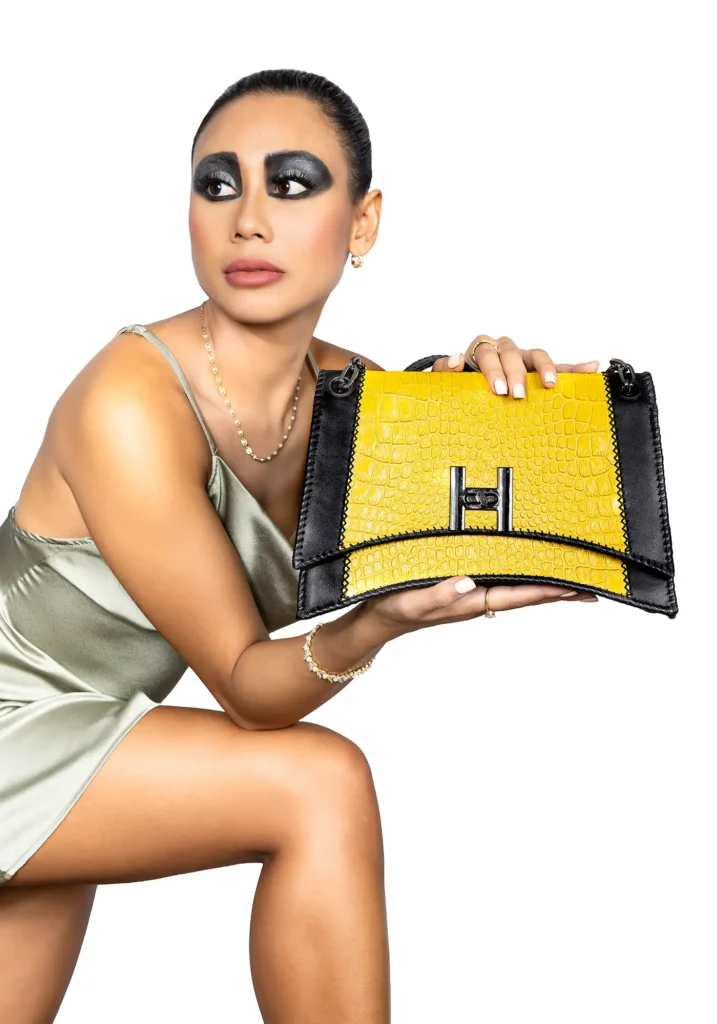
One of the most common reasons for returns is that the product looked bigger or smaller than expected. A hand-held shot or a size-comparison image removes the doubt.


6. Packaging and What’s Included
Buyers like to know exactly what arrives at their door. This image builds trust and cuts down on “item not as described” complaints.
How Better Photos Translate Into Sales
Photography affects three numbers that decide how much you earn from every unit of traffic:
- Click-through rate: whether shoppers pick your listing from the search results page at all
- Conversion rate: whether they buy once they are on the page
- Return rate: whether the product matches what the photos promised
Better images improve all three. And because Amazon rewards listings that convert, stronger photos can also support better organic ranking and make your advertising spend work harder, since you pay for every click whether or not the image convinces the buyer.
We also cover this in our article on how a photo can change a buying decision in just 3 seconds.
Why Not Just Shoot It Yourself (or Use the Manufacturer’s Photos)?
Phone photography has improved enormously, and for a first test of a product idea it can be enough. But most sellers hit the same walls:
- Inconsistent white backgrounds that look grey or yellow once uploaded
- Poor lighting on reflective, transparent or dark products
- No retouching, so dust, scratches and wrinkles show at zoom
- Images that do not match across variants, making the brand look amateur
- Manufacturer or stock photos that every competitor selling the same item is also using
That last point matters more than most sellers realise. When your listing looks identical to ten others, price becomes the only difference. Original photography is how you stop competing on price. For more on this, read do stock images hurt your brand?
What Types of Products Do Amazon Sellers in Vancouver Photograph?
Vancouver has a lively e-commerce scene, with a lot of outdoor and lifestyle brands, food and wellness products, cosmetics, home goods, tech accessories and small-batch makers. Typical categories we photograph include:
- Apparel, accessories and jewellery
- Skincare, cosmetics and supplements
- Kitchen, home and décor items
- Food and beverage products
- Pet products
- Electronics and accessories
- Outdoor, fitness and sports gear
Different products need different lighting. Glossy packaging, glass, metal and jewellery are technically demanding and are often where a professional makes the biggest visible difference.
Studio or On Location?
For Amazon main images, a controlled studio setup is the standard. It gives you consistent lighting, clean white backgrounds and repeatable results across your whole catalogue.
For lifestyle images, a real location or a styled set can be more convincing. Many sellers combine both in a single day. We break down the trade-offs in product photography: studio or real location?
How Much Does a Product Photographer Cost in Vancouver?
Pricing depends on the number of products, the number of images per product, styling and props, retouching and whether you need lifestyle shots as well as white-background images.
At Mandana Rostami Photography, product photography starts from $500+, and commercial and advertising projects start from $1,000+. Larger catalogues, multi-product shoots and campaign work are quoted individually.
What usually affects the final quote:
- Number of products (SKUs) and variants
- Number of final edited images per product
- White-background only, or lifestyle and infographic-ready images as well
- Props, styling, models or hands in shot
- Retouching level (basic clean-up vs. detailed retouching)
- Usage and licensing (Amazon, website, ads, print)
- Studio vs. on-location
For a full breakdown, see our photography pricing page and our guide to what product photography costs in Vancouver.
Tip: Ask any photographer what is included. A cheaper quote that excludes retouching, file sizes for Amazon, or usage rights often ends up costing more.
What to Look For in an Amazon Product Photographer
Before you book, check for these:
- Experience with marketplace rules. Do they know the white-background and 85% frame rules, and the category-specific guidelines?
- A portfolio of real product work. Look for crisp edges, accurate colour and clean reflections.
- Consistency across a catalogue. Your 20th product should look like your first.
- Retouching included. Clean-up of dust, scratches and background should be part of the process.
- Correct delivery files. Square, high-resolution, properly named, ready to upload.
- Lifestyle and infographic capability. Or at least the ability to shoot images that your designer can build on.
- Clear turnaround times. Launch dates and Prime Day deadlines do not move.
- Local and easy to work with. Dropping off samples, being present at the shoot and doing reshoots is simpler with a Vancouver-based photographer.
If you want a broader checklist, our guide on how to book a professional photographer walks through the process from first enquiry to final delivery.
How the Process Works With Us
- Free consultation. Tell us about your products, your category and your launch date.
- Shot list and plan. We agree the image set for each product: hero, details, lifestyle, scale and so on.
- Product delivery or pickup. Send samples to the studio in North Vancouver or arrange a drop-off.
- Shoot day. Controlled studio lighting for compliant hero images, plus styled setups for lifestyle shots.
- Retouching and QC. Pure-white backgrounds, colour accuracy, dust and scratch removal, and a final file check against Amazon’s requirements.
- Delivery. Web-ready files, named and organised so you can upload straight to Seller Central.
Preparing Your Products for the Shoot
A few small steps make a big difference:
- Clean every product thoroughly: fingerprints and dust show at zoom
- Iron or steam fabrics and remove tags that should not be in the shot
- Send a few spare units in case of damage or a defect
- Share your competitor listings so we can match and beat the visual standard
- Prepare a list of key features and benefits for infographic planning
- Check the category style guide in Seller Central and tell us if your category has special rules
Common Amazon Photo Mistakes That Cost Sellers Sales
- A background that is nearly white. Off-white, warm white and soft gradients get rejected
- Text, logos or badges on the main image. One of the most common reasons for suppression
- Product too small in the frame. Wasted space makes the item look unimpressive in search results
- Low resolution. If zoom does not work, shoppers lose confidence
- Inconsistent images across variants. Different lighting and angles make a brand look unprofessional
- No lifestyle images at all. Buyers cannot picture the product in use
- Cluttered infographics. Too much text on small mobile screens is unreadable
See also: 10 common industrial photography mistakes for lessons on avoiding the same problems in B2B product work.
Beyond Amazon: Reuse Your Images Everywhere
Professional product images are not only for your Amazon listing. The same shoot can feed:
- Your own Shopify or WooCommerce store
- Instagram, Facebook and TikTok content
- Google Shopping and ad campaigns
- Email marketing and newsletters
- Retail line sheets, catalogues and packaging
- Wholesale and trade presentations
Ask for usage rights that cover everything you plan to do, so you do not need to pay twice. For brands moving beyond marketplaces, our commercial and advertising photography service covers campaigns and brand imagery.
Frequently Asked Questions
Use as many image slots as your category allows. A strong set typically includes a white-background hero, angle and detail shots, a lifestyle image, an infographic and a scale or what’s-in-the-box image.
Yes. The main image must use a pure white background (RGB 255, 255, 255), and the product should fill most of the frame. Secondary images can use any background.
A single product with a full image set can often be photographed in a short session. Larger catalogues are scheduled in batches. Turnaround depends on the number of products and the retouching required, so ask for a timeline before you book.
Yes. We can shoot lifestyle scenes and also deliver clean images designed to support your infographic and A+ Content layouts.
Product photography at our studio starts from $500+, and the final price depends on the number of products, images and retouching. See our pricing page or request a custom quote.
Not necessarily. Many sellers ship their products to our North Vancouver studio and we return the finished files digitally. Local brands can also visit the studio.
Yes. We check size, background, framing and format before delivery. Because policies and category rules can change, we also recommend confirming your category’s current style guide in Seller Central.
After 18 years behind the camera, I know that a product photo has one job: to make a stranger trust your product enough to click and buy. If you are launching a new ASIN, refreshing a tired listing or building a full brand image library, I would love to help.