
In the bustling visual landscape of today’s business world, a common question often arises for marketing professionals and business owners: what’s the real difference between commercial photography and advertising photography? While both fields are professional disciplines focused on creating compelling images for businesses, they serve distinct purposes and require different creative approaches. Many believe the terms are interchangeable, but using them incorrectly can lead to missed marketing goals and budget inefficiencies.
This confusion is completely understandable. Both commercial and advertising photography are used to promote products, services, and brands, and they often appear side-by-side in a complete marketing strategy. However, understanding the core distinction is crucial. In essence, commercial photography focuses on accurately representing a product or service for general promotional use, while advertising photography aims to tell a compelling story that evokes an emotional response to persuade a specific audience to take action.
This article will clearly break down the differences in intent, style, and usage, helping you determine which type of professional photography is right for your business needs. If you’re in the North Vancouver area, you’ll find local talent who excel in both disciplines, ready to bring your vision to life.
Industrial Photographer North Vancouver
What is Commercial Photography?
Commercial photography is a broad category of professional photography that is created for the primary purpose of promoting and selling a product, service, or brand. Think of it as the foundation of your visual brand identity. The goal is to provide potential customers with a clear, detailed, and honest representation of the subject, whether it’s a product, a person, or a place.
The Intent: Clarity and Accuracy
The core intent of commercial photography is to inform and persuade through precision. Images are designed to be functional and straightforward, showcasing the subject in its best light without any hidden agendas. A commercial photograph of a wristwatch, for instance, would focus on capturing every intricate detail: the texture of the leather strap, the gleam of the metal case, and the precise alignment of the watch hands. The image is clean, well-lit, and devoid of distracting elements, ensuring the product is the sole focus to help a customer make an informed purchase decision.
Style and Usage: Natural and Broad

The style in commercial photography is typically clean, natural, and understated. It presents a business or product in its most genuine form. This could involve using natural light, real employees, and authentic environments to create a transparent look at the people and processes behind a business.
This type of photography is incredibly versatile and is used across a wide range of marketing materials. Common uses include:
- E-commerce websites: Product shots for online stores.
- Brochures and catalogs: Detailed images in printed marketing materials.
- Staff bios: Professional headshots for team pages.
- Corporate websites: Lifestyle shots of the office or landscape visuals of the headquarters.
- General promotion: Evergreen social media content and “about us” pages.
Commercial photography examples
Commercial photography examples include product photos for e-commerce, food images for restaurants, lifestyle campaigns, hotel and real estate photography, corporate portraits, and images created specifically for advertising campaigns. The goal is not simply to take a good photo, but to create an image that supports a business objective.
How to Take Photos for Advertising: A Comprehensive Professional Guide
Types of commercial photography
Common types include product, food, fashion, lifestyle, corporate, real estate, hospitality, architectural, industrial, and advertising photography. Many commercial photographers specialize in one or two areas rather than covering every type.
Commercial photography salary
Commercial photography income varies widely depending on experience, location, specialization, client type, and whether the photographer works independently or for an agency. Freelancers typically charge per project or usage rather than receiving a fixed salary, while in-house photographers may earn a regular annual salary.
What is commercial photography Airbnb?
Airbnb commercial photography refers to professional photography created to market a property on Airbnb or other booking platforms. The photographer focuses on making rooms look accurate, inviting, spacious, and well-lit while highlighting features that can influence a guest’s booking decision.
Commercial photographer
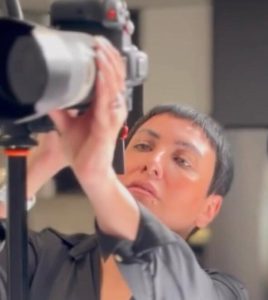
A commercial photographer creates images for businesses, brands, agencies, and organizations. Their work can include products, people, locations, food, architecture, or industrial subjects, with the final images typically used for advertising, websites, catalogs, social media, or marketing campaigns.
commercial and industrial photographers
Commercial photography jobs
Commercial photography jobs can include product photographer, food photographer, fashion photographer, real estate photographer, corporate photographer, hospitality photographer, and advertising photographer. Opportunities are available with brands, agencies, studios, e-commerce companies, publications, and as freelance project work.
What is Advertising Photography?
Advertising photography, on the other hand, is a more specialized and creative sub-category under the commercial umbrella. It is specifically crafted to support a larger marketing campaign. The purpose is to move beyond simply showing a product to creating a narrative that elicits a specific mood, emotion, or feeling in the consumer. It’s about tapping into psychology to make the product irresistible.
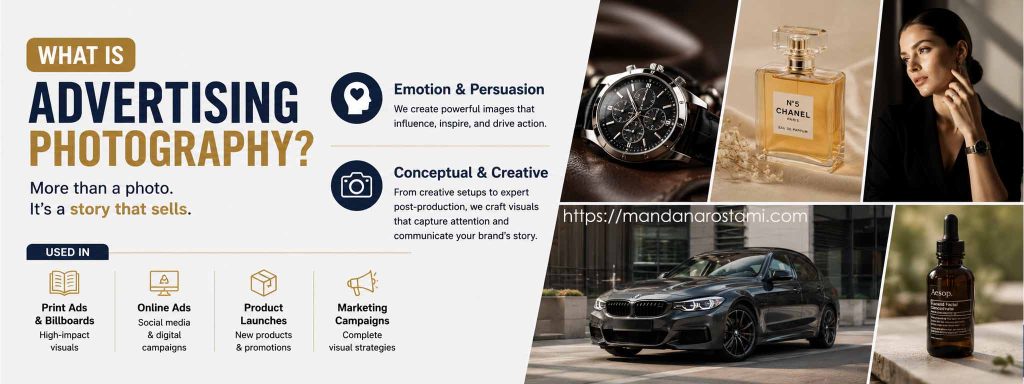
The Intent: Emotion and Persuasion
The intent in advertising photography is to persuade and influence the audience by tapping into their desires, aspirations, or even fears. The goal is not just to inform but to convince viewers that they need a product or service. For example, an advertising campaign for the same wristwatch would likely feature a model wearing it in an elegant setting, like a luxury car. The focus is on the lifestyle and status the watch represents, creating an emotional connection. Advertising photography acts as the visual sales force, creating desire where there was none before.
Role of photography in advertising
The Role of Photography in Advertising is to capture attention, showcase products or services, communicate a brand’s message, and create an emotional connection with the audience. High-quality photography can make advertising more engaging, memorable, and persuasive.
Style and Usage: Conceptual and Targeted
The stylistic approach to advertising photography is much more varied, creative, and often dramatic. It involves elaborate setups, including models, props, specific locations, dramatic lighting, and extensive post-production to achieve a particular mood or atmosphere. The techniques are more diverse and experimental, using methods like motion blur, bold colors, and creative angles to capture attention.
Advertising photography is highly targeted. Instead of speaking to “everyone,” it is meticulously designed to appeal to a specific demographic or target market that fits the brand’s customer persona. You’ll typically see this style in (use of photography in advertising):
- Print ads and billboards: High-impact magazine spreads and outdoor advertising.
- Online ads: Social media campaigns and digital banners designed for a specific audience.
- New product launches: Images for a new product line or seasonal promotion.
- Expansive marketing campaigns: A series of visuals for a comprehensive strategy.
This type of photography is key for converting interest into sales by creating a powerful brand association.
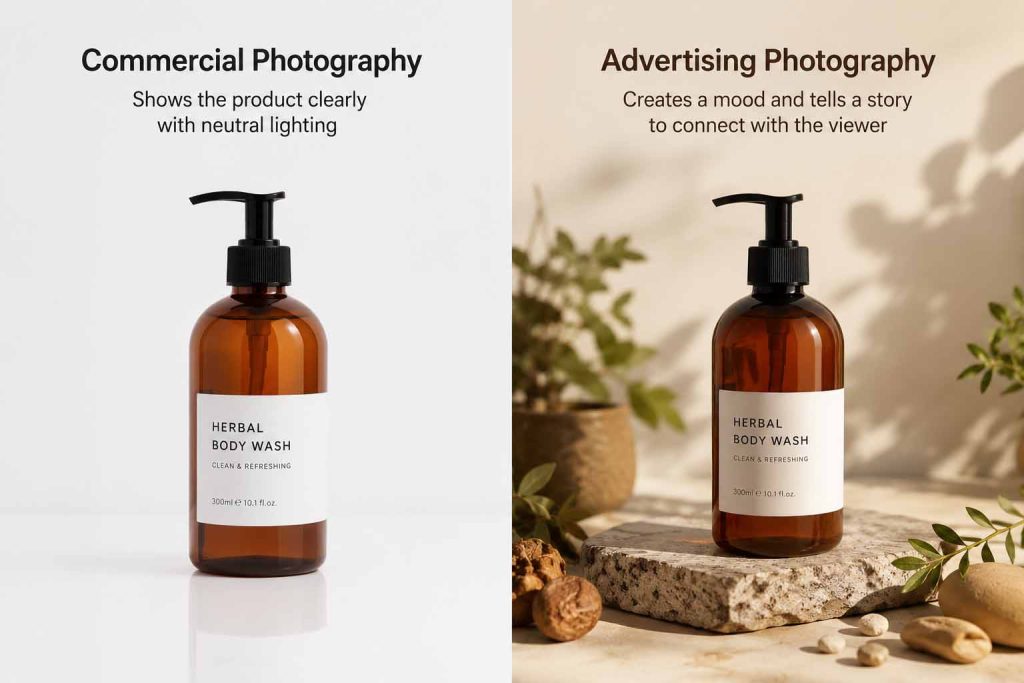
What are some examples of advertising photography?
Examples of advertising photography include professional images of products, food, fashion, cars, cosmetics, jewelry, and services created to promote a brand. Lighting, composition, styling, and creative direction are carefully planned to attract attention and communicate the campaign’s message.
How much does an advertising photographer make?
Advertising photography income depends on experience, location, specialization, project size, and the type of client. Freelance photographers often charge per project or campaign, while factors such as production complexity, number of final images, and image usage rights can also affect the fee.
What is an advertising photographer?
An advertising photographer creates images specifically designed to promote a product, service, or brand. Beyond technical photography skills, they need to understand the campaign concept and translate the brand’s message into a strong visual that connects with the target audience.
explain the difference between commercial photography and advertising
Commercial Photography focuses on creating professional images for business purposes, such as websites, catalogs, products, and corporate materials.
Advertising Photography is more focused on promoting a product, service, or brand through marketing campaigns designed to attract customers and drive sales.
commercial advertising photography
Commercial Advertising Photography is professional photography created specifically to promote a product, service, or brand. Its main goal is to attract attention, communicate a message, and encourage potential customers to take action.
It can include:
- Product advertising photography
- Food and restaurant photography
- Automotive advertising photography
- Fashion and lifestyle campaigns
- Industrial and commercial advertising
- Brand and corporate campaigns
In simple terms: Commercial advertising photography combines professional photography with marketing to help businesses showcase their products, strengthen their brand, and increase sales.
advertising and commercial photography: A Direct Comparison
To help you visualize the differences, let’s compare the two side-by-side based on key components.
| Feature | Commercial Photography | Advertising Photography |
| Primary Intent | To inform and accurately showcase a product or service. | To persuade, evoke emotion, and tell a story to create a desire for a product. |
| Creative Style | Natural, clean, and straightforward. Focus is on clarity and detail. | Creative, dramatic, and stylized. Focus is on mood, atmosphere, and narrative. |
| Target Audience | Broad audience (anyone looking at a website, brochure, or catalog). | Specific target audience (a defined demographic or customer persona). |
| End Goal | To build a professional brand image and provide visual information. | To drive conversions and influence a purchasing decision through emotional connection. |
| Typical Usage | E-commerce, staff photos, general marketing collateral. | Magazine ads, billboards, new product campaigns. |
Commercial photography near me
When looking for a commercial photographer near you, focus on photographers who have experience in your specific industry rather than choosing only by location. Review their portfolio, ask about licensing and image usage, and compare their experience with the type of photography your business actually needs.
What is the difference between an advertising photographer and a commercial photographer?
Commercial photography is a broader category that can include products, businesses, real estate, food, and corporate content. Advertising photography is more campaign-focused, with images created specifically to attract attention, communicate a marketing message, and influence the audience’s response.
Advertising commercial photography
Advertising Commercial Photography means professional photography created to promote a product, service, or brand, with the goal of attracting customers and increasing sales.
Conclusion commercial and advertising photography
Understanding the difference between commercial and advertising photography is more than just a matter of semantics; it’s a strategic business decision. Commercial photography is about building a professional and trustworthy image by clearly showing the world what you do. Advertising photography is about cutting through the noise to create a compelling story that connects with a specific customer on an emotional level, ultimately driving sales. Whether you need a foundational set of clear, accurate product images or a high-impact campaign to launch a new brand direction, choosing the right type of photography is essential. Both disciplines are powerful tools, and when used in tandem, they create a complete and effective marketing arsenal.
Mandana Rostami is a North Vancouver Photographer
Frequently Asked Questions (FAQ)
1. Is advertising photography a type of commercial photography?
Yes. Advertising photography is a specialized sub-category of commercial photography. While all advertising photography is commercial in nature (it’s taken for business purposes), not all commercial photography is considered advertising photography because the intent and style differ significantly.
2. When should I hire a commercial photographer vs. an advertising photographer?
You should hire a commercial photographer when you are establishing or refreshing your company’s general visual brand. This includes updating staff bios, creating product shots for your e-commerce site, and generating evergreen social media content. You should hire an advertising photographer when you are launching a new product line or a specific marketing campaign aimed at persuading a particular audience to take action.
3. What’s the difference in the creative style of the two?
Commercial photography has a more natural, understated, and authentic style, often using natural light and real employees to capture a “real-world” look. Advertising photography is more stylized and dramatic. It often involves complex compositions, bold colors, and dynamic lighting to create a specific mood or tell a story.
4. Why is advertising photography more expensive?
Generally, advertising photography involves a larger budget because it’s more complex. It often requires a larger creative team (art directors, stylists, models), elaborate set-building, specific locations, and extensive post-production and retouching work. The higher cost reflects the creative and logistical effort required to create a high-impact, persuasive image.
5. How do I find a commercial or advertising photographer in North Vancouver?
There are many talented professionals in the area. You can search for local photographers with a quick online search. Look for a photographer in North Vancouver whose portfolio specializes in your area of need. For example, you can find specialists in commercial photography who focus on authentic lifestyle or architectural imagery.

















One Response