
In the rapidly evolving landscape of modern business, visual communication has become a cornerstone of effective marketing and project management. For industries dealing with massive infrastructure, complex manufacturing processes, or expansive real estate developments, traditional ground-level photography often falls short in capturing the true scale and intricacy of the work. This is where Drone Photography emerges not just as a trendy tool, but as an indispensable asset. By offering a bird’s-eye view that was previously only achievable through expensive helicopter charters or satellite imagery, drones provide a unique perspective that enhances clarity, engagement, and trust.
The integration of aerial imaging into industrial workflows has transformed how companies present their capabilities to stakeholders, investors, and clients. Whether it is showcasing the progress of a skyscraper under construction, inspecting the integrity of wind turbine blades, or marketing a sprawling residential community, aerial shots offer a comprehensive overview that static ground images cannot match. This technology bridges the gap between technical precision and aesthetic appeal, allowing businesses to tell a more compelling story about their operations.
As competition intensifies across sectors, having high-quality, dynamic visuals is no longer a luxury but a necessity. Companies that leverage this technology gain a significant competitive edge by demonstrating transparency, innovation, and professionalism. In this article, we will explore why aerial photography is essential for construction and industrial projects, detailing its benefits, applications, and the strategic value it brings to marketing efforts.
What Is Construction Drone Photography?
Construction drone photography is the use of professional drones to capture high-quality aerial photos and videos of construction sites, buildings, infrastructure, and ongoing development projects. Unlike traditional ground-level photography, drones provide a clear view from above, making it easier to document the full scope of a project and show how a site changes over time.
A construction drone can capture detailed images of the entire property, including the building structure, surrounding land, access roads, equipment, materials, and nearby developments. Depending on the project, aerial photography can be used during site preparation, foundation work, structural construction, exterior finishing, and final completion.
One of the biggest advantages of drone photography is the ability to document areas that are difficult or impractical to photograph from the ground. High elevations, large construction sites, rooftops, and complex structures can often be photographed efficiently without the need for scaffolding, lifts, or other access equipment.
Construction drone photography can also be used to create progress documentation. By photographing a project from similar angles at regular intervals, construction companies can build a visual record of development from the first stages through completion. These images can be useful for project managers, owners, architects, contractors, investors, and marketing teams.
Professional drone photography may include high-resolution aerial photographs, 4K or higher-quality video, panoramic images, site progress photos, and footage prepared specifically for websites, social media, presentations, or project reports.
For construction companies, the value goes beyond simply taking attractive aerial photographs. Properly planned drone photography can help communicate the size, progress, design, and finished quality of a project in a way that conventional photography often cannot.
The Strategic Value of Aerial Perspectives in Business
Changing How Stakeholders Perceive Scale and Scope
One of the most profound impacts of using drone footage and images is the ability to convey scale accurately. When viewing a construction site from the ground, it is difficult to grasp the magnitude of the project. A single photo of a building foundation might look impressive, but it fails to communicate the hundreds of acres of land being developed or the thousands of tons of steel involved.
Aerial photography solves this problem instantly. By pulling back to reveal the entire site, these images provide context that helps stakeholders understand the scope of the investment. For investors and potential clients, seeing the full extent of a project builds confidence. It demonstrates that the company has the capacity to handle large-scale operations efficiently. This visual proof of capability is far more persuasive than any brochure or verbal promise.
Do Stock Images Hurt Your Brand?
Enhancing Transparency and Trust
Transparency is a key driver of trust in B2B relationships. Clients want to know what is happening on their site without needing to visit frequently. Regular aerial updates allow project managers to share progress reports visually. These updates can be sent to remote stakeholders, keeping them informed and engaged.
This level of openness reduces anxiety and miscommunication. Instead of relying on text-based progress reports which can be ambiguous, clients receive undeniable visual evidence of advancement. This fosters a stronger relationship between contractors, developers, and investors, as everyone is looking at the same reality from the same perspective.
Key Applications of Drone Photography in Industry
| Primary Application | Key Advantage | Practical Example |
| Monitoring construction progress | Accurate visual comparison of schedule vs. reality | Creating time-lapse images of a skyscraper’s progress over 6 months |
| Infrastructure and safety inspection | Reduced risk to human life and lower maintenance costs | Inspecting bridge cracks or high-voltage wire hot spots using a thermal camera |
| Real estate marketing | Showing the property’s relationship with its surroundings and amenities | Filming a villa to highlight its proximity to the beach and a local park |
1. Construction Progress Monitoring
In the construction industry, time is money. Delays can lead to significant financial losses and contractual penalties. Drone photography plays a critical role in monitoring progress over time. By taking photos from the exact same coordinates at regular intervals (e.g., weekly or monthly), project managers can create time-lapse sequences or side-by-side comparisons.
These comparisons make it easy to identify discrepancies between the planned schedule and actual progress. If a section of the site is lagging behind, it becomes immediately visible. This allows for quicker decision-making and resource allocation. Furthermore, these records serve as valuable documentation for legal purposes, providing an unbiased timeline of the project’s development.
2. Infrastructure Inspection and Safety
Inspecting large structures like bridges, power lines, and factories traditionally requires scaffolding, cherry pickers, or even shutting down operations. This is not only costly but also dangerous for workers. Drones offer a safe and efficient alternative. Equipped with high-resolution cameras and thermal sensors, drones can inspect hard-to-reach areas without putting humans at risk.
For example, a drone can fly close to a bridge’s underside to check for cracks or corrosion. Thermal imaging drones can detect heat leaks in industrial buildings or overheating electrical components before they cause failures. This proactive approach prevents accidents and reduces maintenance costs, making drone technology a vital tool for safety and efficiency.
Why Industrial Photography Is Essential for B2B Marketing
3. Real Estate and Land Development Marketing
For real estate developers, selling land or properties relies heavily on first impressions. Aerial photography showcases the location’s surroundings, accessibility, and proximity to amenities. Potential buyers can see how a property fits into the broader neighborhood, including nearby parks, schools, and transportation links.(Real estate Photography)
Moreover, for off-plan sales (selling properties before they are built), renders can sometimes feel abstract. Drone footage of the surrounding area provides tangible context, helping buyers visualize themselves living or working there. This emotional connection accelerates the sales process and increases the perceived value of the property.
Boosting Marketing Effectiveness Through Visual Storytelling
Differentiating Your Brand in a Crowded Market
In the realm of industrial photography, standing out is challenging. Many competitors use similar stock images or generic ground-level photos. By incorporating aerial views, you immediately differentiate your brand. It signals that you are tech-savvy, modern, and committed to excellence.
High-quality drone content looks premium. It elevates the overall aesthetic of your website, social media profiles, and advertising campaigns. When a potential client sees a stunning aerial shot of your latest project, it subconsciously associates your brand with quality and reliability. This visual distinction can be the deciding factor when clients are choosing between multiple vendors.
Increasing Engagement on Digital Platforms
Digital marketing thrives on engagement. Videos and images captured by drones tend to perform significantly better on social media platforms like LinkedIn, Instagram, and YouTube. The dynamic movement of a drone flying over a site captures attention more effectively than static images.
According to various marketing studies, video content generates higher engagement rates and longer watch times. A short drone video showing the bustling activity of a factory floor or the serene beauty of a completed landscape project can go viral within niche communities. This organic reach expands your brand’s visibility beyond your immediate network, attracting new leads and opportunities.
How to Book a Professional Photographer (Step-by-Step Guide)
Improving ROI on Advertising Campaigns
When running paid advertisements, click-through rates (CTR) are crucial. Ads featuring eye-catching aerial visuals often achieve higher CTRs because they break the pattern of standard ads users scroll past. Whether it is a banner ad for a construction firm or a sponsored post for a real estate developer, the unique angle provided by drones grabs attention.
Furthermore, better engagement leads to lower cost-per-click (CPC) in some advertising algorithms, as platforms reward content that users interact with positively. Therefore, investing in drone photography can directly improve the return on investment (ROI) of your marketing budget by making your ads more effective.
Technical Considerations and Best Practices
Choosing the Right Equipment
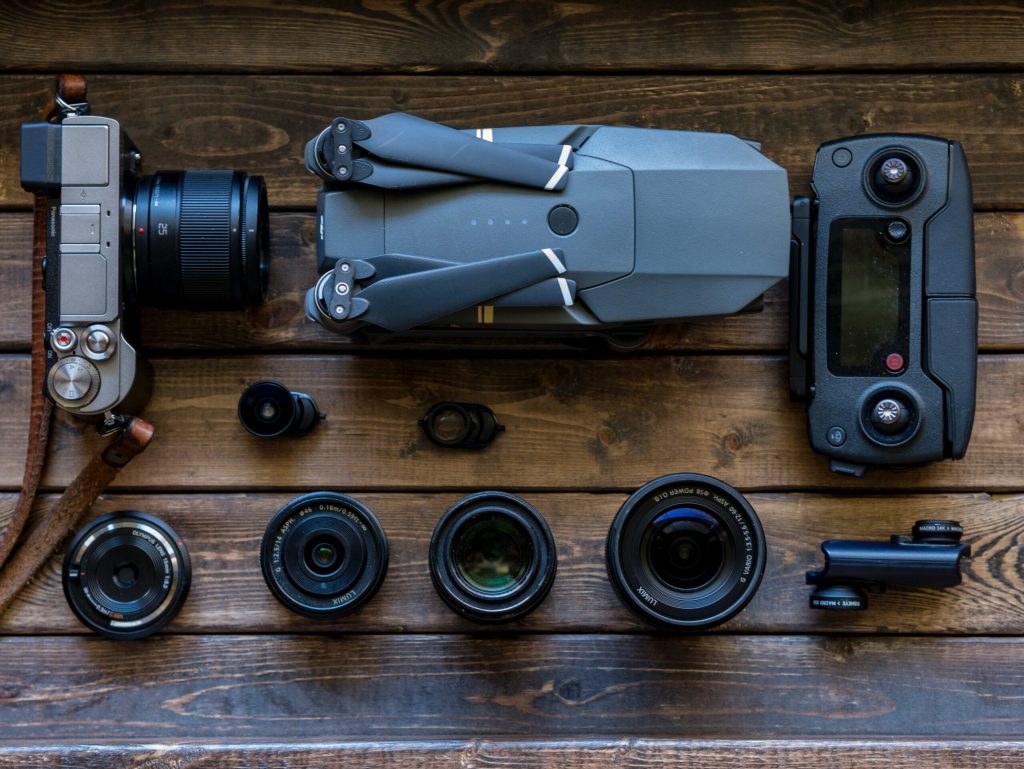
Not all drones are created equal. For professional industrial use, it is essential to choose equipment that meets specific requirements. Factors to consider include:
- Camera Resolution: Higher megapixel counts ensure crisp details, which are necessary for printing large banners or zooming in on small defects.
- Stabilization: Gimbal stabilization is crucial for smooth video footage and sharp photos, especially in windy conditions common at construction sites.
- Flight Time: Longer battery life allows for covering larger areas in a single flight, increasing efficiency.
Legal Compliance and Safety
Operating a drone involves strict regulations. Pilots must adhere to local aviation laws, which may include obtaining licenses, registering the drone, and respecting no-fly zones. Safety is paramount; pilots must conduct pre-flight checks and avoid flying near airports or crowded areas. Working with certified professionals ensures compliance and minimizes risks.
Post-Processing and Editing
Raw drone footage often requires editing to bring out its full potential. Color grading, stabilizing shaky clips, and stitching panoramic images are common post-processing tasks. Professional editing enhances the visual appeal, ensuring that the final product aligns with the brand’s identity. High-quality editing transforms good footage into great marketing assets.

























2 Responses
hi Mandana photography
our company is thinking that :
Can drone photography help construction and industrial companies reduce project delays and improve site safety compared to traditional inspection methods?
Hi Safe group. Absolutely. Drone photography and aerial inspections can provide real-time, high-resolution site data much faster than traditional manual inspections. For construction and industrial projects, this means teams can identify safety hazards, monitor progress, detect potential issues early, and make informed decisions without sending personnel into high-risk areas. In many cases, drones help reduce project delays, improve documentation accuracy, and enhance overall site safety while lowering inspection costs