Vancouver isn’t just a tech hub for apps and software anymore. Over the last decade, the city and its surrounding region have quietly become one of North America’s most interesting centers for advanced manufacturing — robotics, cleantech hardware, semiconductors, and deep tech companies that are actually building physical things, not just writing code. If you run one of these companies, chances are your website, investor deck, and LinkedIn page are still leaning on generic stock photos or phone snapshots from the shop floor. That’s a problem, because in this sector, the way you show your technology often matters as much as the technology itself.
This guide covers what manufacturing photography looks like specifically for Vancouver’s advanced tech companies, why it matters more here than almost anywhere else in Canada, and what to expect from a professional shoot.
Advertising Photographer in Vancouver
What Is Manufacturing Photography for the Tech Sector?
Manufacturing photography for the tech sector is the practice of documenting the people, machines, and processes behind advanced hardware companies — robotics assembly, precision components, clean room work, and engineering teams in action — in a way that communicates credibility, scale, and technical sophistication. Unlike traditional industrial photography, which often focuses on heavy equipment and large-scale plants, tech-sector manufacturing photography usually deals with smaller, more precise subjects: circuit boards, robotic arms, sensors, and highly skilled technicians working in controlled environments.

The goal isn’t just a nice picture. It’s proof. Investors, customers, and recruits all want visual evidence that what a company says it builds actually gets built.
Vancouver’s Growing Advanced Manufacturing Ecosystem
Vancouver’s advanced manufacturing base has expanded well beyond what most people associate with the city. A handful of sectors make up most of the activity worth documenting:
Robotics & Automation
The region has become a genuine robotics cluster. North Vancouver is home to Novarc Technologies, known for its robotic pipe-welding systems, while Vancouver-based Sanctuary AI has drawn international attention for its humanoid robots. Apera AI, also based in Vancouver, builds machine vision systems used in industrial robotics. These companies represent a growing category of business that needs photography capable of making complex mechanical and AI-driven systems look as impressive in a photo as they are in person.
Commercial vs Industrial Photography: What’s the Real Difference?
Cleantech & Energy
British Columbia’s cleantech sector is one of the largest in Canada, and North Vancouver in particular has developed a concentrated cleantech cluster, with companies working in clean energy production, water treatment, and advanced materials. These businesses often need photography for grant applications, government partnerships, and sustainability reporting, in addition to standard marketing use.
Semiconductors & Electronics
Component manufacturing and electronics assembly — often happening in smaller facilities than people expect — require a very different photographic approach than a factory floor. Small components, tight tolerances, and clean environments call for macro lenses, controlled lighting, and a photographer who understands what actually matters in the shot.
AI Hardware & Deep Tech
Vancouver’s proximity to UBC and BCIT, along with its broader tech ecosystem, has helped grow a base of deep tech companies working at the intersection of hardware and artificial intelligence — from autonomous systems to advanced sensors. These companies are often early-stage and growing fast, which means their visual needs shift quickly from “just get something usable” to “we need this to look credible to a Series A investor.”
Why Photography Matters for Tech Manufacturers
For most industrial companies, photography is a marketing nice-to-have. For advanced tech manufacturers, it’s closer to a business necessity, for a few specific reasons.
Investor & Fundraising Materials
A pitch deck full of stock photography or screenshots is an immediate red flag for investors evaluating a hardware company. If you’re raising a seed or Series A round, real photos of your actual product, your actual facility, and your actual team building things are one of the simplest ways to build credibility before a single question gets asked.
Recruiting Top Engineering Talent
Vancouver’s advanced manufacturing companies are competing for the same small pool of skilled engineers, machinists, and technicians — often against larger, better-known companies in Seattle or the Bay Area. Photos that show a modern, well-run facility and a real team at work do more for recruiting pages than any written description of “company culture.”
Trade Show & Conference Visuals
Robotics and cleantech companies live and die by trade show presence. Booth graphics, banner stands, and pitch materials built on thin, low-resolution, or borrowed imagery undercut a company’s credibility next to competitors with a stronger visual presence.
Website & LinkedIn Presence
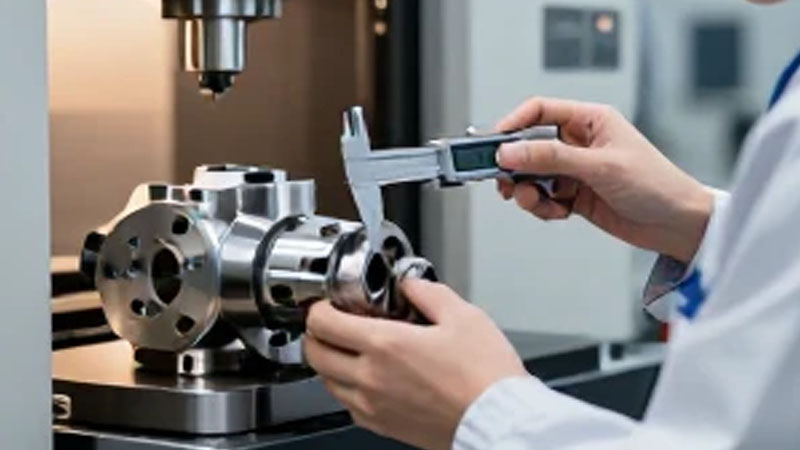
For B2B hardware companies, the website and LinkedIn are often the first — and sometimes only — impression a potential partner or customer gets before a call is booked. Generic stock imagery of unrelated factories or robots signals, often unintentionally, that a company hasn’t invested in its own story.
What We Photograph
A manufacturing photography session for a tech company typically covers a mix of the following:
Precision Component & Product Shots
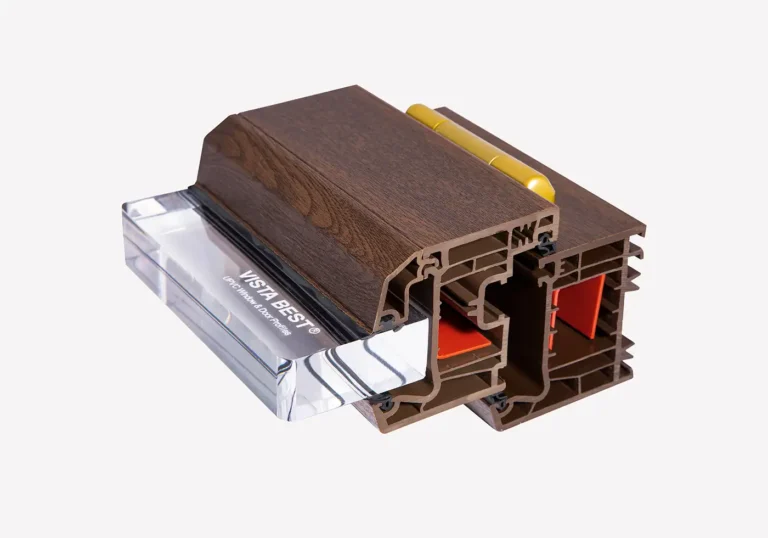
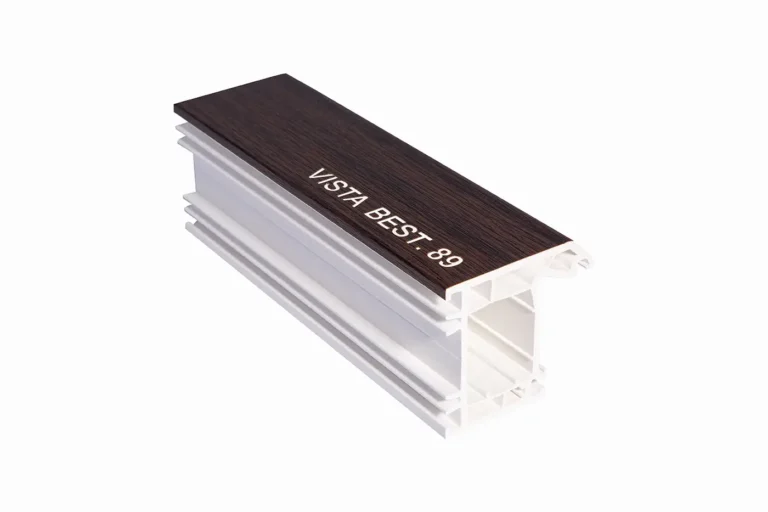

Close, detailed images of the actual hardware — circuit boards, sensors, robotic components, or finished products — shot with macro lenses and controlled lighting to show precision and quality.
Robots and Machines in Action
Rather than static, posed equipment shots, the most effective images show systems doing what they’re designed to do: a robotic arm mid-weld, an automated system running a test cycle, a machine actually working.
Clean Room & Lab Environments
Clean rooms and lab spaces require a photographer who understands protocol — gowning requirements, restricted equipment, and controlled contamination — and who can still produce compelling images under those constraints.
Manufacturing Photography: How to Showcase Your Production Line
Engineers and Technicians at Work
Photos of the actual people building the technology, in their real work environment, add authenticity that staged corporate headshots can’t. These images humanize a technical brand without sacrificing professionalism.
Facility & Assembly Line Overviews
Wide shots that show the scale, organization, and modernity of a facility, useful for annual reports, investor materials, and “about us” pages.
The Unique Challenges of Photographing Tech Manufacturing
Shooting inside an advanced tech manufacturing environment is different from a standard commercial shoot, and it’s worth knowing what to expect.
Working Around Sensitive or Proprietary Technology (NDA)
Many robotics and deep tech companies are working with unpatented or competitively sensitive technology. It’s standard, and expected, for a photographer to sign a non-disclosure agreement before a shoot and to work closely with the company on what can and can’t be shown or shared afterward, including on the photographer’s own portfolio.
Clean Room Protocols
Clean room work requires specific gowning, equipment restrictions, and sometimes specialized camera housings to avoid contaminating a controlled environment. A photographer without this experience can unintentionally disrupt operations or be denied access altogether.
Low-Light and Precision Lighting for Small Components
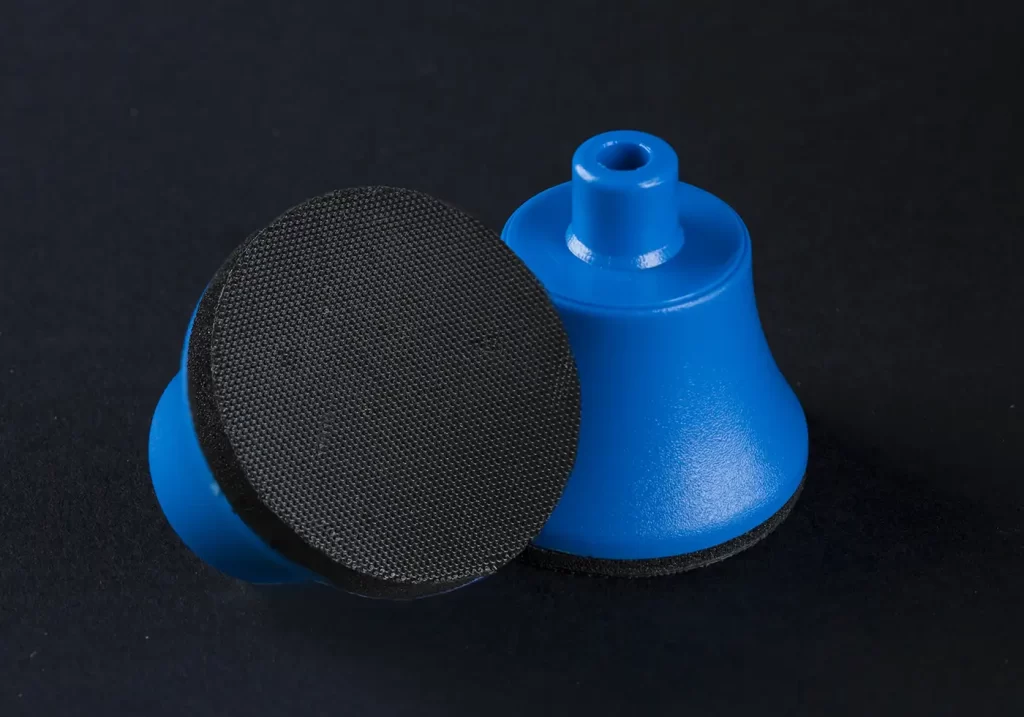
Small, reflective, or intricate components are notoriously difficult to photograph well. Getting a circuit board or a precision part to look sharp and accurate — without glare or lost detail — takes different lighting techniques than a typical factory-floor shoot.
Serving North Vancouver’s Tech and Cleantech Cluster
Being based in North Vancouver puts this work close to where a meaningful part of this activity is actually happening. North Vancouver’s cleantech cluster, and the broader concentration of robotics and advanced manufacturing companies across Metro Vancouver, means a shoot doesn’t require flying in a specialist or working with someone unfamiliar with the local landscape — from the practical logistics of local facilities to the broader ecosystem connected to UBC and BCIT’s engineering and applied science programs.(North Vancouver Photographer)
For companies in this sector, that local familiarity often translates into a faster, less disruptive shoot day, and a photographer who already understands the difference between a semiconductor clean room and a robotics assembly floor.
Frequently Asked Questions
For most advanced tech and robotics companies, yes. It’s standard practice, and most photographers experienced in this space will expect it as part of the process rather than treat it as unusual.
This usually comes down to close collaboration before and during the shoot: agreeing in advance on what angles, components, or processes are off-limits, and reviewing images with the company before anything is shared publicly or used in a portfolio.
Product photography typically shows a finished item in a controlled studio setting, focused on the product itself. Manufacturing photography documents the process, people, and environment behind that product — the facility, the assembly line, the engineers — and is usually shot on location rather than in a studio.