Fine Art Photography Prints are more than just photographs on paper—they are carefully crafted artistic works created to express emotion, concept, and the photographer’s unique vision. Unlike commercial or documentary photography, fine art photography focuses on storytelling, aesthetics, and personal interpretation rather than simple representation of reality.
Fine art photography prints are not merely images on paper; they are visual narratives—carefully crafted moments where emotion, concept, and artistic intention converge. In the work of Mandana Rostami, Vancouver photographer based in Vancouver, photography becomes a medium for introspection, silence, and personal interpretation rather than simple representation of the visible world.
Each print is the result of a deliberate artistic process, where the image is conceived, shaped, and finalized with the mindset of creating a collectible artwork—one that invites the viewer to pause, feel, and reflect.
What Are Fine Art Photography Prints?
Fine art photography prints are high-quality printed photographs created with artistic intent. The photographer controls every aspect of the image—from composition and lighting to post-processing and printing—to convey a specific mood, idea, or message.
Key characteristics include:
- Artistic vision and personal expression
- Professional-grade printing techniques
- Archival-quality materials
- Limited editions or signed works
Unlike standard photo prints, fine art prints are designed to last for decades without fading or losing detail.
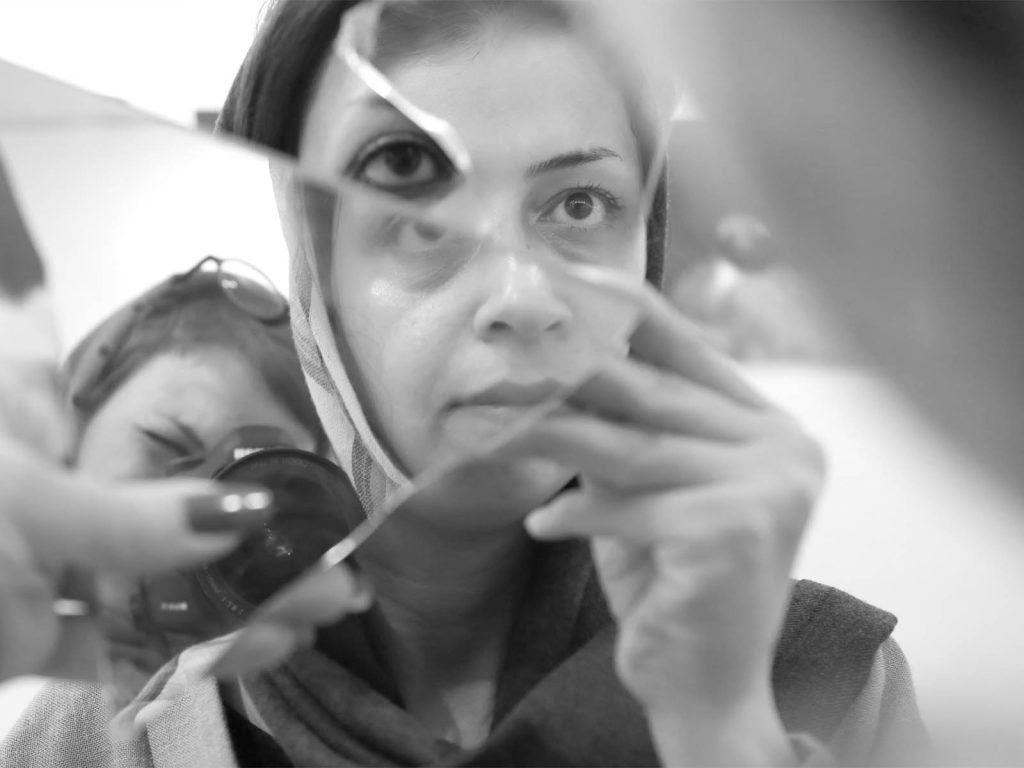
Fine Art Photography as an Artistic Approach
Fine art photography is not defined by subject matter or technique alone, but by intention. Mandana Rostami’s photographic works are created with a clear artistic purpose: to express an inner narrative, explore subtle emotions, and transform fleeting moments into timeless visual experiences.
Rather than documenting reality, these images reinterpret it—allowing space for ambiguity, imagination, and personal connection.(Professional photography)
What Is the Difference Between Fine Art Prints and Regular Photo Prints?
This is one of the most frequently asked questions.
Regular photo prints are usually:
- Mass-produced
- Printed on standard photo paper
- Intended for personal memories or commercial use
Fine art photography prints, on the other hand:
- Use museum-grade or archival paper
- Are printed with pigment-based inks
- Have controlled color accuracy and tonal depth
- Are often limited edition, signed, or numbered
In short, fine art prints prioritize longevity, craftsmanship, and artistic value.
Also See: Best Settings for Portrait Photography
Why Are Fine Art Photography Prints So Expensive?
Many people wonder why fine art prints cost more than normal photographs. The price reflects several important factors:
- Time and expertise involved in creating the artwork
- High-end cameras and professional editing
- Archival printing materials and inks
- Limited edition availability
- Artist reputation and signature
When purchasing a fine art photography print, you are investing in an artwork—not just a picture.
What Makes a Photograph “Fine Art”?
A photograph becomes fine art when its primary purpose is artistic expression, not documentation or advertising.
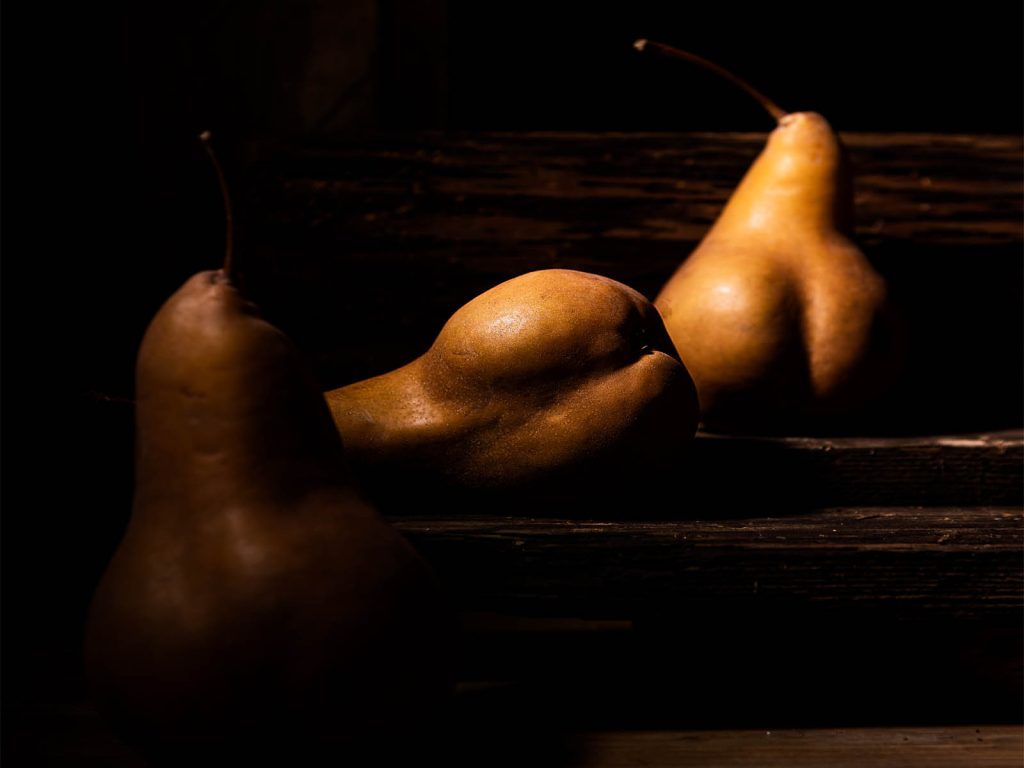
A fine art photograph usually:
- Communicates emotion or concept
- Reflects the artist’s personal vision
- Encourages interpretation by the viewer
- Is intentionally composed and edited
Styles such as minimalism, surrealism, abstraction, impressionism, and conceptual photography often fall under fine art photography.
Difference Between Casual Portraits and Business Portraits: Which One Is Right for You?
What Types of Paper Are Used for Fine Art Photography Prints?
Paper choice plays a crucial role in the final appearance and longevity of a print. Common fine art papers include:
Cotton Rag Paper
- 100% cotton fiber
- Matte finish
- Exceptional texture and durability
Baryta Paper
- Smooth surface with subtle gloss
- Excellent contrast and deep blacks
- Popular for black-and-white fine art photography
Textured Fine Art Paper
- Adds depth and painterly feel
- Ideal for artistic and abstract images
Archival papers are acid-free and designed to last over 70–100 years under proper conditions.
Are Fine Art Photography Prints Archival?
Yes—high-quality fine art prints are archival by design.
They use:
- Pigment-based inks (not dye-based)
- Acid-free, museum-grade papers
- Professional color management
When properly framed and kept away from direct sunlight and humidity, fine art prints can last for generations.
What Is a Limited Edition Fine Art Print?
A limited edition print means only a specific number of copies will ever be produced.
For example:
- Edition of 10, 25, or 50 prints
- Each print is numbered (e.g., 3/25)
- Often signed by the artist
Limited editions increase exclusivity and can significantly raise the artwork’s value over time.
Limited Edition Philosophy
Select works by Mandana Rostami are offered as limited edition prints, reinforcing their exclusivity and collectible value. Each edition is produced in a strictly controlled quantity, ensuring rarity and artistic integrity.
Limited edition prints are:
- Individually numbered
- Signed by the artist
- Accompanied by authenticity assurance
This approach aligns with gallery standards and appeals to serious collectors and art enthusiasts.
You can see Wedding Photographer in Vancouver
A Few Important Tips
Should Fine Art Photography Prints Be Signed?
Most collectors prefer signed prints. A signature:
- Confirms authenticity
- Increases collectible value
- Strengthens the connection between artist and buyer
Signatures are usually placed on the front margin or the back of the print.
How Are Fine Art Photography Prints Used?
Fine art prints are commonly used for:
- Art galleries and exhibitions
- Home and office interior design
- Luxury hotels and commercial spaces
- Personal art collections
- Gifts for art lovers
They add depth, emotion, and sophistication to any space.
How Do I Choose the Right Fine Art Photography Print?
Before purchasing, consider:
- Emotional connection to the image
- Style compatibility with your space
- Print size and paper type
- Edition size and artist background
- Framing options
Buying fine art is both a visual and emotional decision.
What Sizes Are Available for Fine Art Photography Prints?
Fine art prints are available in various sizes, including:
- Small (A4 / 8×10 inches)
- Medium (A3 / 12×18 inches)
- Large and exhibition-size prints
Larger prints often have stronger visual impact but require proper wall space and framing.
How Should Fine Art Photography Prints Be Framed?
Proper framing is essential to protect and showcase the artwork:
- Use acid-free mats
- UV-protective glass or acrylic
- Avoid direct sunlight
- Choose frames that complement the artwork
Professional framing enhances both appearance and longevity.
Are Fine Art Photography Prints a Good Investment?
While art investment always involves personal taste, fine art photography prints can be valuable if:
- The artist is established or emerging with strong recognition
- The edition is limited
- The work is well-preserved
Beyond financial value, the emotional and aesthetic return is often the greatest reward.
Can Fine Art Photography Prints Be Used Commercially?
Generally, purchasing a print does not include commercial usage rights. The buyer owns the physical print, not the copyright. Commercial use requires a separate licensing agreement with the photographer.
Final Thoughts on Fine Art Photography Prints
Fine art photography prints by Mandana Rostami are crafted with intention, restraint, and deep respect for the artistic process. Each piece is an invitation—to slow down, to observe quietly, and to find meaning beyond the surface of the image.
Based in Vancouver, her work reflects a dialogue between inner experience and visual form, offering collectors timeless works that transcend trends and remain deeply personal.
Frequently Asked Questions (FAQ)
Are fine art prints better than canvas prints
Do fine art prints fade over time?
Can I order custom sizes?
Is fine art photography only black and white?