
If your food looks amazing in real life but customers still hesitate to order, the problem is almost always your photos. Poor menu photography silently reduces trust, lowers appetite appeal, and makes even delicious dishes feel average or risky to try. In simple terms, bad food photos don’t just look unprofessional—they directly cost you sales.
Why Menu Photography Matters More Than You Think
Customers eat with their eyes first. Before taste, aroma, or presentation, what they see—whether on a digital menu, website, or delivery app—shapes their decision. In today’s fast-scrolling world, people don’t analyze menus; they react to visuals.(food photogaphy in Vancouver)
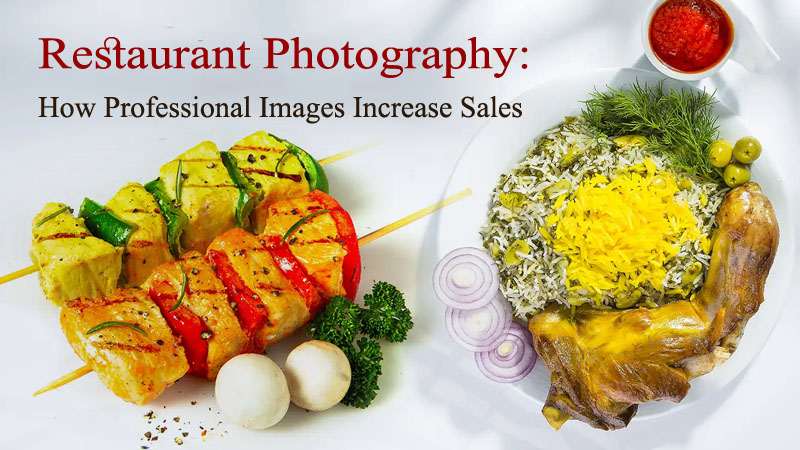
A well-shot burger can trigger instant craving. A poorly lit one? It gets ignored, no matter how good it actually is.
This is especially critical for:
- Restaurants relying on delivery apps
- Cafes with digital menus
- Fast food brands competing visually
- Online food businesses without physical presence
Now let’s break down the most damaging mistakes.
Advertising Photographer in Vancouver
Menu Photography Mistakes
1. Poor Lighting
Lighting is the single most important factor in menu photography. Even high-quality food will look unappetizing if the lighting is wrong.
Many restaurants rely on overhead fluorescent lights or harsh direct lighting. This creates hard shadows, distorts colors, and removes the natural texture of the dish. Human perception strongly connects light with freshness and quality. Bad lighting subconsciously signals “low quality” or “not fresh,” even if the food is excellent.
Lighting Optimization Table
| Common Issue | Visual Impact | Professional Fix | Result |
| Low light | Dark, dull images | Use natural window light | Food looks fresh and vibrant |
| Harsh direct light | Strong shadows, glare | Use diffused light (curtain/softbox) | Soft, appealing tones |
| Yellow/green color cast | Unrealistic colors | Adjust white balance | Accurate, natural colors |
| Top-only lighting | Flat, no texture | Use side lighting | Better depth and texture |
2. Wrong Shooting Angles
Each type of food has an ideal angle. Using the wrong one hides the most attractive features of the dish.
For example, shooting a burger from above removes its height and layers. Shooting pizza from the front hides its toppings and structure. The right angle helps customers instantly understand what they’re ordering—and triggers appetite faster.
Angle Selection Guide
| Food Type | Wrong Angle | Recommended Angle | Reason |
| Burgers & sandwiches | Top-down | 45° or eye-level | Shows layers and height |
| Pizza | Front view | Top-down | Displays full toppings |
| Drinks | Top-down | Front with backlight | Enhances transparency |
| Steak | Top-down | Angled side view | Highlights texture and juiciness |
3. Overediting
Editing should enhance reality—not distort it. Overediting is one of the fastest ways to lose customer trust.
Over-saturated colors, excessive sharpness, and artificial shine may look attractive at first, but they create a gap between expectation and reality. If the delivered food doesn’t match the photo, customers feel misled. This directly reduces repeat orders.
E-commerce Product Photography: Complete Beginner Guide
Editing Balance Table
| Editing Mistake | Negative Effect | Professional Fix | Goal |
| Over-saturation | Unrealistic colors | Subtle color correction | Natural look |
| Excessive sharpness | Artificial texture | Controlled sharpening | Clean clarity |
| Heavy filters | Fake appearance | Minimal editing | Authentic feel |
| Overexposure | Lost details | Balanced brightness | Preserve texture |
4. Cluttered Composition
Trying to show too much in one frame is a common mistake. Multiple dishes, props, and busy backgrounds compete for attention.
Instead of making the image richer, it makes it confusing. Customers make decisions in seconds. If the image is visually overwhelming, they simply move on.
Composition Best Practices
| Common Mistake | Impact on Viewer | Professional Fix | Result |
| Multiple main dishes | Visual confusion | Focus on one hero dish | Clear attention |
| Busy background | Distracts from food | Use simple background | Strong focus |
| Too many props | Cluttered look | Limit accessories | Clean composition |
| No negative space | Visual pressure | Add empty space | Premium, modern feel |
5. Low Image Quality and Resolution
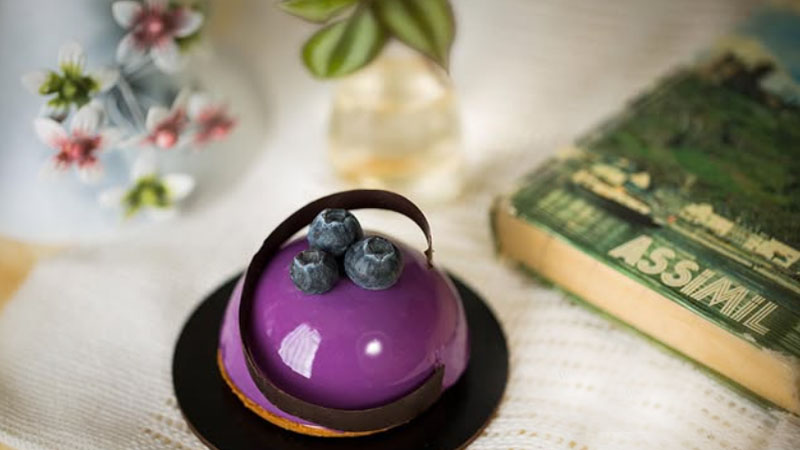
Blurry or pixelated images instantly signal unprofessionalism.
What goes wrong:
- Grainy photos
- Out-of-focus shots
- Compressed images on websites
Customers subconsciously link image quality with food quality.
Fix it: Use a decent camera or modern smartphone. Ensure proper focus and export images in high resolution.
6. Inconsistent Style Across the Menu
A menu should feel cohesive. Many don’t.
What goes wrong:
- Different lighting styles
- Mixed color tones
- Inconsistent backgrounds
The brand looks disorganized and less trustworthy.
Fix it: Create a visual identity:
- Same lighting setup
- Same background style
- Same color grading
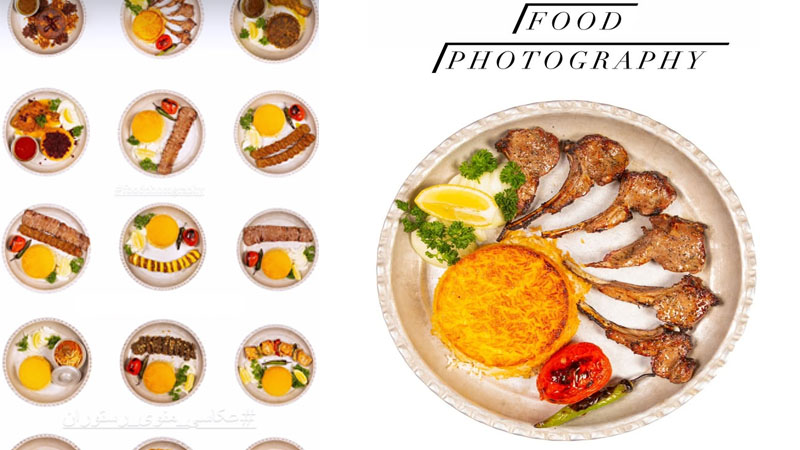
Consistency builds brand recognition.
7. Ignoring Food Styling Basics
Even great lighting can’t fix poorly styled food.
What goes wrong:
- Messy plating
- Dry-looking ingredients
- Wilted garnishes
The food looks unappetizing—even if it tastes great.
Fix it:
- Use fresh ingredients
- Add moisture (brush oil, steam effect)
- Arrange elements carefully
Food styling is just as important as photography.
8. No Sense of Scale
Customers want to know what they’re getting.
What goes wrong:
- No reference for portion size
- Extreme close-ups that hide quantity
Customers hesitate when they can’t judge value.
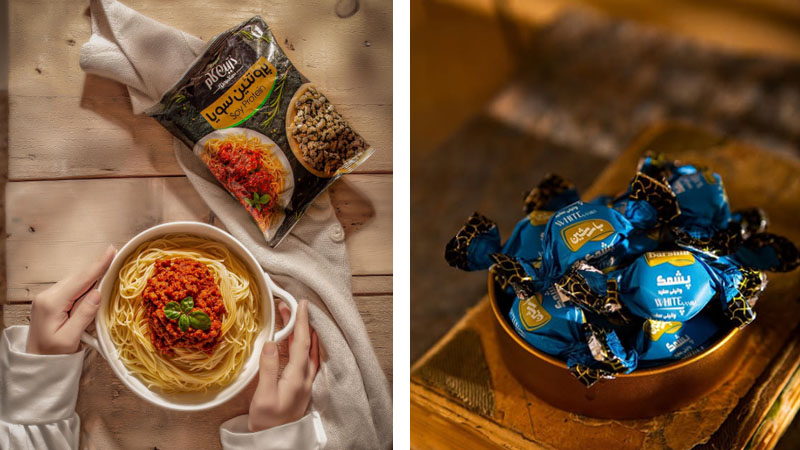
Fix it: Include subtle scale cues:
- Hands
- Cutlery
- Plates
This helps customers feel confident about ordering.
9. Using Generic Stock Photos
Some businesses use stock images instead of real photos.
What goes wrong:
- Photos don’t match actual dishes
- Overly perfect, unrealistic visuals
Customers feel misled. Trust drops immediately.
Fix it: Always use real photos of your actual dishes.
10. Ignoring Mobile Optimization
Most customers view menus on phones.
What goes wrong:
- Images too large or slow to load
- Cropped awkwardly on mobile
- Important details not visible
If it’s hard to view, customers move on.
Fix it: Optimize images for mobile:
- Fast loading
- Proper cropping
- Clear focal points
11. No Emotional Appeal
Great food photos don’t just show food—they tell a story.
What goes wrong:
- Cold, lifeless images
- No mood or atmosphere
Customers don’t feel anything. No craving = no order.
Fix it: Add emotion:
- Steam rising from hot food
- Melting cheese
- Action shots (pouring sauce, cutting steak)
Make people feel the food.
12. Bad Background Choices
The background can make or break a photo.
What goes wrong:
- Distracting patterns
- Dirty or cluttered surfaces
- Colors that clash with food
It pulls attention away from the dish.
Fix it: Use neutral or complementary backgrounds:
- Wood
- Marble
- Matte surfaces
Keep it clean and simple.
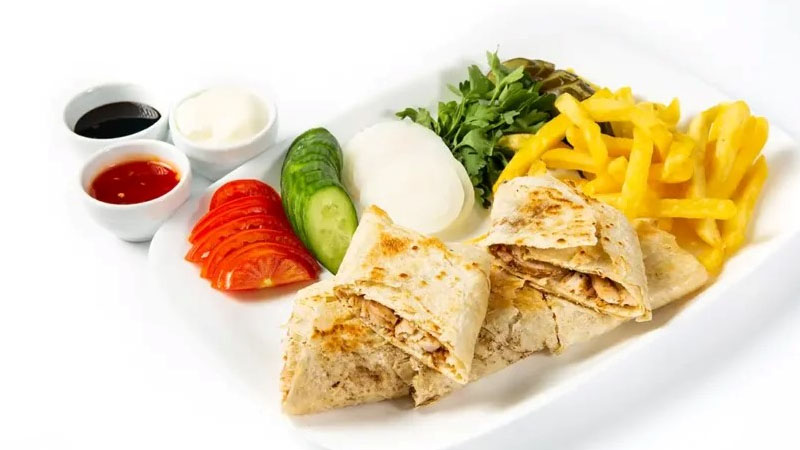
13. No Focus on Best-Selling Items
Not all dishes are equal.
What goes wrong:
- Equal attention to all menu items
- No highlight on best-sellers
Missed opportunity to push high-profit or popular dishes.
Fix it: Invest in high-quality photos for:
- Signature dishes
- High-margin items
- Customer favorites
Guide customer choices visually.
14. Overcrowded Menu Layout
Even good photos can fail in a bad layout.
What goes wrong:
- Too many images on one page
- No spacing
- Visual overload
Customers feel overwhelmed and make no decision.
Fix it: Use whitespace. Let images breathe.
15. Ignoring Cultural Preferences
Different audiences respond to different visuals.
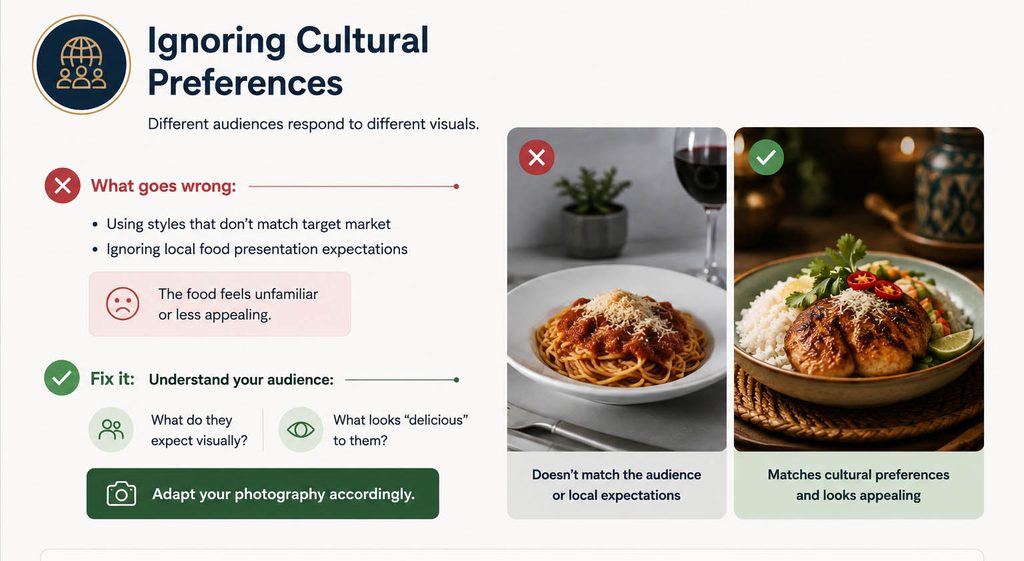
What goes wrong:
- Using styles that don’t match target market
- Ignoring local food presentation expectations
The food feels unfamiliar or less appealing.
Fix it: Understand your audience:
- What do they expect visually?
- What looks “delicious” to them?
Adapt your photography accordingly.
Final Thoughts: Photography Is Not Decoration—It’s Sales Strategy
Menu photography is not just about making food look pretty. It’s a direct sales tool. Every image either increases trust and appetite—or quietly pushes customers away.
If your orders are lower than expected, don’t just look at pricing or marketing. Look at your photos.
Because in today’s market, the difference between scrolling past and clicking “Order Now” is often just one image.(professional photographer )
Frequently Asked Questions About Menu Photography Mistakes
Poor lighting, unappealing presentation, and inaccurate colors can make food look less appetizing and reduce customer interest.
Direct flash can create harsh shadows, shiny surfaces, and unnatural colors. Soft, diffused light usually produces more appealing results.
Yes. Photos should accurately represent portion sizes, ingredients, and presentation to build trust and avoid customer disappointment.
Yes. Excessive props distract from the food and make the image confusing. Keep the focus on the dish itself.

















2 Responses
سلام خانم ماندانا
من رستوران جدید در حال افتتاح هست توی نورث ونکوور و می خواستم ببینم برای عکاسی منو و عکاس رستوران چیکار باید بکنیم و هزینه عکاسی رستوران و عکاسی منو غذا را هم بفرمایید و اینکه آیا ما باید غذا ها را بیاریم استودیو شما عکاسی کنید یا شما تشریف میارید رستوران برای عکاسی اونها
با تشکر
سلام، وقتتون بخیر
ممنون از پیام و تبریک بابت افتتاح رستوران جدیدتون. امیدوارم شروع بسیار موفقی داشته باشید.
برای عکاسی رستوران و منوی غذا، هر دو گزینه امکانپذیر است. اگر امکانات و فضای رستوران برای عکاسی مناسب باشد، معمولاً عکاسی را در خود رستوران انجام میدهم تا فضای واقعی و هویت برند شما هم در تصاویر دیده شود. اما اگر نیاز به نورپردازی یا استایل خاصی باشد، میتوانیم برخی آیتمها را در استودیو نیز عکاسی کنیم.
در مورد غذاها، معمولاً غذاها در همان روز عکاسی و بهصورت تازه آماده میشوند تا بهترین کیفیت و ظاهر را در تصاویر داشته باشند.
هزینه عکاسی هم به تعداد غذاها، نوع عکسها (منو، شبکههای اجتماعی، تبلیغاتی)، و اینکه فقط عکاسی غذا باشد یا فضای رستوران و پرسنل هم عکاسی شوند بستگی دارد. اگر تعداد آیتمها و زمان افتتاح را بفرمایید، با کمال میل یک پکیج مناسب همراه با قیمت دقیق خدمتتان ارائه میکنم.
خوشحال میشوم در معرفی حرفهای رستوران جدیدتان همراهتان باشم.