
In today’s hyper-competitive B2B environment, companies must communicate the value of their industrial products faster, clearer, and more convincingly than ever before. While specifications, datasheets, and technical drawings are essential, they alone are not enough to influence purchasing decisions. Industrial buyers — whether engineers, procurement managers, or factory owners — increasingly rely on high-quality visuals to assess product quality, durability, and functionality before making a purchase.
This shift has made Industrial Product Photography a strategic necessity rather than a visual luxury. When done professionally, it strengthens credibility, elevates brand identity, speeds up the decision-making process, and directly contributes to higher conversion rates.
This article explores why industrial product photography has become one of the most powerful tools for boosting B2B sales and how manufacturers can leverage it for optimal results.
What is Industrial Product Photography?
Industrial Product Photography is the art and science of photographing industrial products with the goal of presenting them accurately, professionally, and attractively to clients, suppliers, and B2B markets. This type of photography focuses on the product’s technical details, build quality, materials used, and functional capabilities, allowing the audience to fully understand the product’s appearance, dimensions, and performance without seeing it in person. Unlike regular commercial photography, Industrial Photography emphasizes precision and realistic representation, and it is often used for catalogs, websites, presentations, brochures, and online marketing.
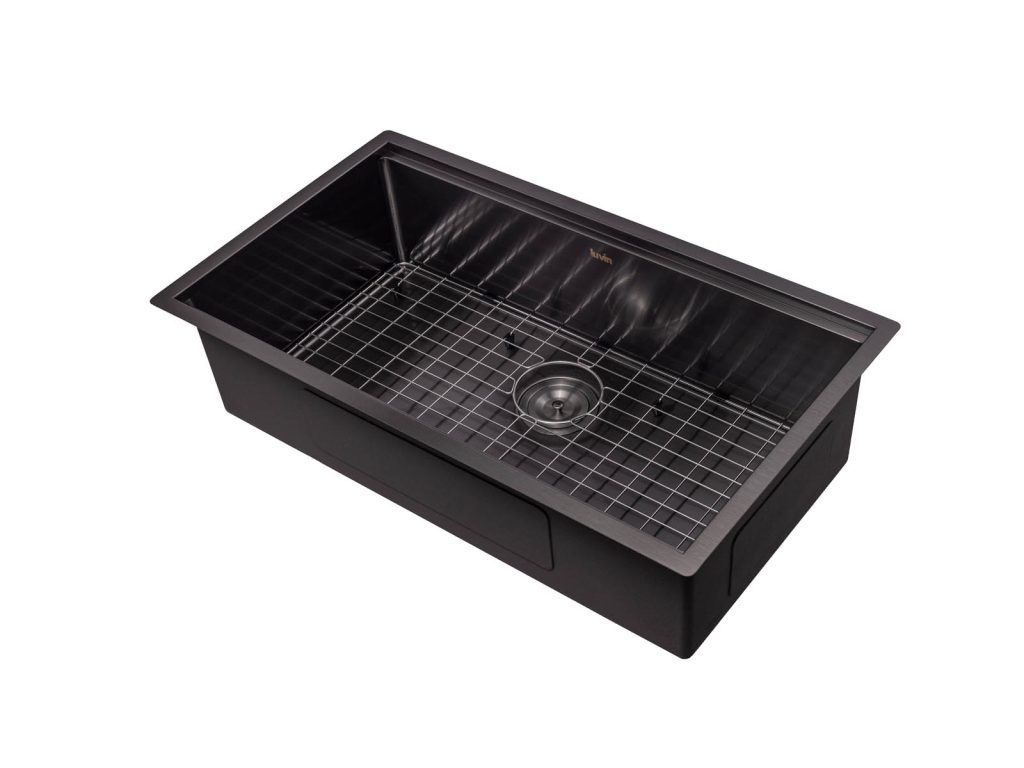

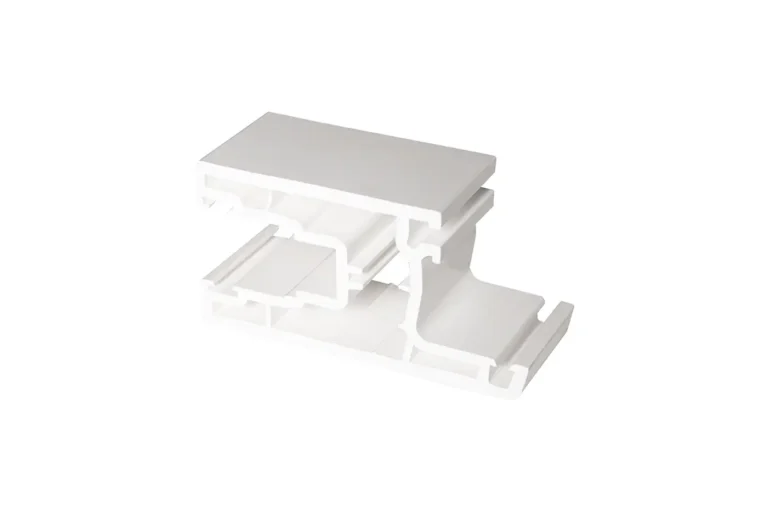
key reasons why industrial photography boosts sales
Industrial Buyers Are Now Visual Decision-Makers
The B2B buying process has changed dramatically. Research from multiple marketing studies shows:
- Over 82% of B2B buyers review product images before contacting a supplier.
- 65% of engineers prefer suppliers whose products are showcased with clear, detailed visuals.
- Buyers spend 2–3x more time on product pages with high-quality images.
In industrial sectors — such as machinery, tools, electrical components, pumps, valves, and safety equipment — decision-makers want to see what they are buying. Accurate visuals help them evaluate:
- Build quality
- Material finishing
- Size and proportions
- Installation points
- Technical components
- Brand reliability
High-resolution, well-lit photographs reduce uncertainty, helping buyers trust both the product and the manufacturer. (Vancouver photographer)
Photography Makes Complex Products Easy to Understand
Industrial products often have technical features that are difficult to communicate with text alone. Consider:
- pump impellers
- PCB assemblies
- CNC-machined parts
- industrial valves
- precision tools
- laboratory instruments
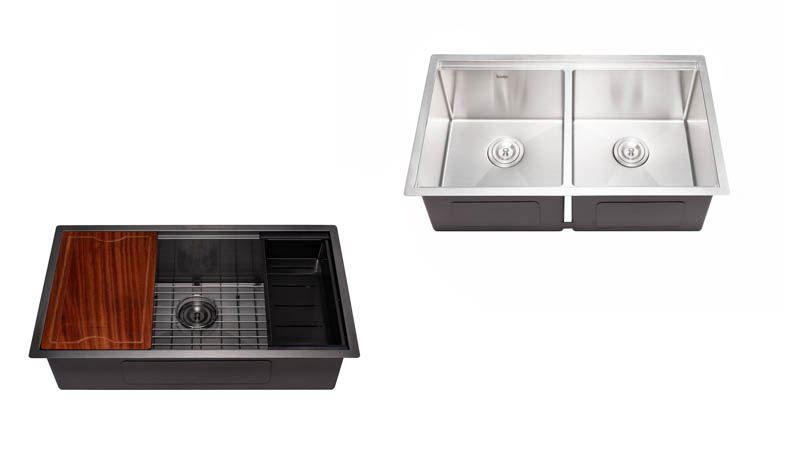
Professional industrial photography uses specific techniques — such as macro shots, cross-section lighting, shadow control, and angle optimization — to visually explain these technical elements.
Clear images show what specs cannot:
- texture of metals
- surface finishing
- wiring layouts
- mechanical joints
- safety mechanisms
- internal components
When buyers understand a product instantly, sales cycles shorten dramatically.
Trust is Everything in B2B — and Photography Builds Trust Fast
B2B purchasing carries high risk. A wrong purchase can result in:
- productivity loss
- machine downtime
- expensive replacements
- safety hazards
This is why buyers choose suppliers they trust.
Industrial product photography communicates professionalism and transparency.
A clean, consistent visual style signals that a company:
- is organized
- cares about product quality
- invests in customer experience
- takes manufacturing seriously
Trust built through visuals converts to sales — especially for newer or lesser-known brands competing with established names.
Strong Visuals Improve Catalogue Performance and Conversion Rates
Whether customers browse a website, PDF catalogue, online store, or industry marketplace, high-quality images dramatically increase engagement.
Product pages with professional images generate:
- higher time-on-page
- lower bounce rates
- more quote requests
- more form submissions
- better catalog downloads
In B2B e-commerce platforms like Alibaba, Indiamart, and Global Sources, listings with premium photos outperform standard listings by up to 150%.
Photography directly contributes to measurable KPIs — including conversions, lead quality, and sales volume.(Professional photography)
Industrial Photos Strengthen Brand Identity
Many industrial companies underestimate the branding power of photography.
But in saturated markets, differentiation is crucial.
High-quality industrial product photos allow manufacturers to project a strong, unified brand image by maintaining:
- consistent background and angles
- coherent lighting style
- technical accuracy
- professionalism in presentation
This creates a brand signature, helping buyers associate reliability with the manufacturer.
Photography Enhances Marketing Across Multiple Channels

Modern B2B marketing is multi-platform. Professional industrial product photos can be used for:
- Websites & landing pages
- Online stores
- Printed or digital catalogues
- Tradeshow displays
- Social media platforms (LinkedIn, Instagram, Facebook)
- Email campaigns
- Advertising banners
- Magazines and industry publications
- Technical documentation
Visual consistency across these channels significantly improves brand recognition and lead generation.
SEO Benefits: Better Visibility, More Leads
Google increasingly prioritizes pages with optimized images.
Industrial product photography enhances SEO through:
- Visual search optimization: Google Lens is now widely used by engineers and technicians to find similar industrial components.
- Higher engagement signals: Images drive clicks, time on page, and lower bounce rates — all ranking factors.
- Alt-text optimization: Descriptive alt-texts help search engines understand product types more accurately.
As a result, companies with professional photography get more organic traffic and better targeted leads.
How to Choose the Right Industrial Photographer for Your Company
Photography Helps Demonstrate Scale, Function, and Application
| Product Display Challenge | Industrial Photography Solution | Practical Example | Benefit for Buyer |
| Showing actual size | Scale comparison shots | Product placed next to a known tool or human hand | Accurate understanding of dimensions without in-person inspection |
| Demonstrating product function | Functional demonstration images | Pump operating or valves in fluid flow | Clear understanding of real product operation and usage |
| Showcasing real-world application | Application photos | Equipment in factory, workshop, or project site | Buyer sees how and where the product is used |
| Illustrating compatibility with other components | Installation and assembly images | Different parts assembled together | Ensures product fits and works with existing systems |
| Creating realism and context | Environment-based product scenes | Product in a real work setting with natural lighting | Increases buyer trust and reduces uncertainty about product performance |
One major challenge in selling industrial products online is showing:
- actual size
- operational context
- installation process
- compatibility with other components
- work environment

Industrial photography solves this using:
- scale comparison shots
- functional demonstration images
- application photos (real factories, workshops, job sites)
- environment-based product scenes
Buyers trust products more when they clearly see how and where they are used.
Increased Buyer Confidence Leads to Faster Decisions
When industrial buyers have complete visual information, they require fewer:
- clarification emails
- technical calls
- product demos
- sample requests
This accelerates the entire sales pipeline.
A visually supported listing can convert a prospect straight into a buyer — without multiple follow-ups.
Small Business Photography: How to Build Trust Through Images
Industrial Product Photography Raises Perceived Value
High-quality visuals increase the perceived value of a product by:
- highlighting engineering precision
- showing material durability
- emphasizing build quality
- improving presentation aesthetics
This allows a manufacturer to justify premium pricing.
Many B2B brands report 10–20% higher price acceptance after upgrading their product photography.
Essential Techniques Used in Professional Industrial Photography
Professional industrial photographers use advanced techniques, including:
- Focus stacking (for sharpness across entire product)
- Dynamic lighting setups
- Macro photography for fine components
- Color calibration for accuracy
- Polarization filters to reduce glare on metals
- Studio-grade backgrounds
- Dust and scratch retouching
- Image compositing for cutaway visuals
These techniques ensure the results look clean, precise, and technically reliable.
Why DIY or Poor-Quality Photos Can Damage B2B Sales
Low-quality images create doubts about:
- product quality
- manufacturer professionalism
- engineering precision
- long-term reliability
In B2B markets, poor visuals can cost you major contracts.
Engineers and procurement teams immediately lose confidence when images appear:
- blurry
- inconsistent
- underexposed
- distorted
- unprofessional
High-quality photography is not just a marketing investment — it’s a critical sales tool.
Case Study Insight: Photography’s Impact on Industrial Sales
B2B companies that invest in industrial product photography report:
- 40–60% increase in inquiries
- 2–4x more catalogue downloads
- Higher quality leads from technical buyers
- Better engagement at trade fairs
- Greater success in online marketplaces
These results demonstrate photography’s role as a key growth lever for industrial brands.
10 Common Industrial Photography Mistakes That Ruin Your Brand Image
Industrial Product Photography in Vancouver
Vancouver has become one of Canada’s fastest-growing hubs for industrial product photography, thanks to its strong manufacturing ecosystem, modern tech companies, and a competitive export-driven market. Businesses across sectors—machinery, construction tools, industrial equipment, electronics, and clean-tech products—are increasingly relying on high-quality product imagery to stand out in B2B marketplaces. Industrial photography in Vancouver focuses on precision-driven visuals that highlight engineering quality, material durability, and functional details essential for technical buyers. With access to advanced studios, skilled photographers, and cutting-edge lighting and macro-capture techniques, Vancouver companies can present their products with exceptional clarity and professionalism, ultimately strengthening trust and accelerating sales in domestic and global markets.
Industrial Product Photography with Mandana Rostami
When it comes to presenting industrial products with maximum clarity, precision, and visual impact, Mandana Rostami stands out as one of the most detail-oriented industrial product photographers in the field. Her approach blends technical accuracy with clean, modern aesthetics—an essential combination for brands that need to showcase machinery, tools, equipment, or manufacturing processes in the most professional way. By using controlled lighting, macro-level sharpness, and composition tailored to technical audiences, Mandana ensures that every product image communicates reliability, craftsmanship, and performance. For B2B companies that rely on credibility and product differentiation, her industrial product photography delivers visuals that increase trust, elevate branding, and ultimately drive more qualified leads and sales.
Conclusion
In B2B markets, decisions must be fast, accurate, and backed by trust. Industrial product photography gives buyers the clarity they need to choose confidently. It highlights engineering quality, enhances brand authority, and significantly boosts sales across all channels.
Manufacturers who invest in professional visuals gain a powerful competitive advantage — especially in industries where technical accuracy and product reliability determine success.
High-quality industrial product photography (Vancouver photographer) is not just about aesthetics; it’s a long-term investment in better communication, higher conversions, and stronger brand identity.
2 Responses
Hello,
I’m a manufacturer of glassware and disposable containers. I wanted to ask if you also provide advertising/product photography for these types of items.
It’s important for me that the photos clearly show the shine and glossy finish of the glass and the reflective, polished look of the stainless-steel containers.
Do you offer this type of photography?
Thank you!
Mark
Hello,
Thank you for your message.
Yes, we do offer advertising and product photography for glassware and disposable containers, and we have experience in capturing the shine of glass as well as the polished, reflective look of stainless-steel surfaces. We’d be happy to review your project details and provide a suitable proposal.Our team will contact you soon to discuss the details.