
In today’s fast-paced digital world, portrait photography has become more important than ever. Whether you are building a personal brand, applying for a new job, or simply sharing moments on social media, the right portrait can shape the way people perceive you. With just one glance, viewers form an impression—professional, friendly, creative, trustworthy, or something entirely different.
But one common question many clients ask is this:“What’s the difference between a casual portrait and a business portrait, and which one do I actually need?”
In this article, we dive deep into the key differences between these two popular styles to help you make the right choice for your personal or professional goals.
You can view Mandana Rostami’s portfolio for Portrait and Business Photography.
What Is a Portrait and Why Does It Matter?
A portrait is more than a simple photograph of a face—it is a visual story that communicates personality, emotion, and identity. Portraits have the power to influence how others see you within seconds. That first impression can impact your professional credibility, your personal brand, and even the emotional connection viewers feel toward you.
Because of this, choosing the correct type of portrait is essential. The wrong photo can send the wrong message; the right one can elevate your image instantly.
Difference Between Casual Portraits and Business Portraits
1. The Purpose: Personal Expression vs Professional Identity
a) Casual Portrait: Personal, Artistic, Emotional
A casual portrait is designed for personal use, artistic expression, or storytelling. It’s perfect for:
- Creative projects
- Personal branding with a lifestyle vibe
- Family albums
- Modeling portfolios
- Artistic self-expression
These portraits often highlight emotion, personality, and mood. The atmosphere can be relaxed, expressive, or even experimental.(Professional photography)
b) Business Portrait: Professional, Trust-Focused, High Credibility
A business portrait—often called a Corporate Headshot or Business Headshot—has a very different purpose. It’s used on:
- Resumes
- Company websites
- Speaking profiles
- Business cards
- Marketing materials
- Professional social media accounts
The goal is simple:
Present yourself as confident, reliable, and professional.
Your headshot becomes the face of your career or business.
2. Facial Expression & Body Language
a) Casual Portrait: Free, Creative, Flexible
In casual portraits, you can experiment with:
- Big smiles
- Serious expressions
- Playful gestures
- Artistic poses
- Looking away from the camera
- Dynamic movement
There is no right or wrong—expression and storytelling drive the mood.
You can see Wedding Photographer in Vancouver
b) Business Portrait: Calm, Confident, Approachable
Professional portraits usually follow a standard, polished approach:
- Soft, natural smile
- Relaxed but confident posture
- Neutral and balanced body language
- Eye contact with the camera
- Clean, simple compositions
The facial expression should communicate trust and approachability—which are essential in the business world.
3. Clothing & Styling
a) Casual Portrait: Creative Freedom
Wardrobe choices are unlimited:
- Casual wear
- Fashion pieces
- Street style
- Bold or colorful outfits
- Artistic styling
The clothing reflects your personality and the vibe you want to convey.
b) Business Portrait: Clean, Neutral, Professional
For business photography, styling should reflect professionalism:
- Blazers or suit jackets
- Solid-colored shirts
- Neutral tones: black, navy, grey, or white
- Minimal patterns
- Neat hair and grooming
The goal is to keep attention on your face—not your outfit.
Also : Industrial Photography
4. Lighting & Background
a) Casual Portrait: Creative and Atmospheric
Lighting for casual portraits can be dramatic, cinematic, colorful, or natural. Backgrounds can include:
- Outdoor locations
- Urban environments
- Nature
- Artistic studio backdrops
- Colorful or textured surfaces
The goal is to create mood and visual storytelling.
b) Business Portrait: Clean and Minimal
Business portraits prioritize clarity and simplicity:
- Soft, even lighting
- Clean backgrounds (white, grey, black)
- Subtle office environments
- Controlled shadows
- High clarity and sharpness
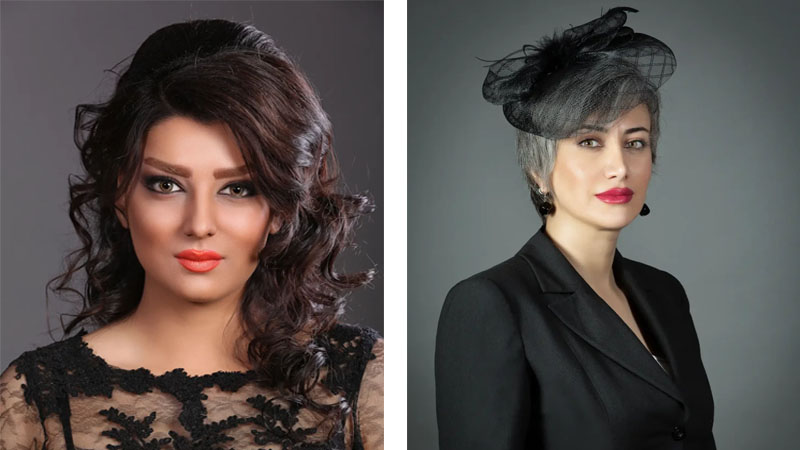
This style ensures your face is the main focus.
Professional Vancouver photographer capturing your most meaningful moments with artistic precision and natural light. Book your session today and turn your memories into timeless visual stories.
5. Editing & Retouching
a) Casual Portrait: Artistic and Flexible
Editing may include:
- Tone adjustments
- Color grading
- Contrast styles
- Creative filters
- Cinematic or fashion-inspired looks
These photos may feel more expressive or stylized.
You can see: Modelling and Fashion Photography
b) Business Portrait: Natural and Polished
Business portraits require:
- Light retouching
- Skin smoothing (very subtle)
- Removing distractions
- True-to-life colors
- Professional clarity
The final result should be authentic—never over-edited.
6. Emotion & Message
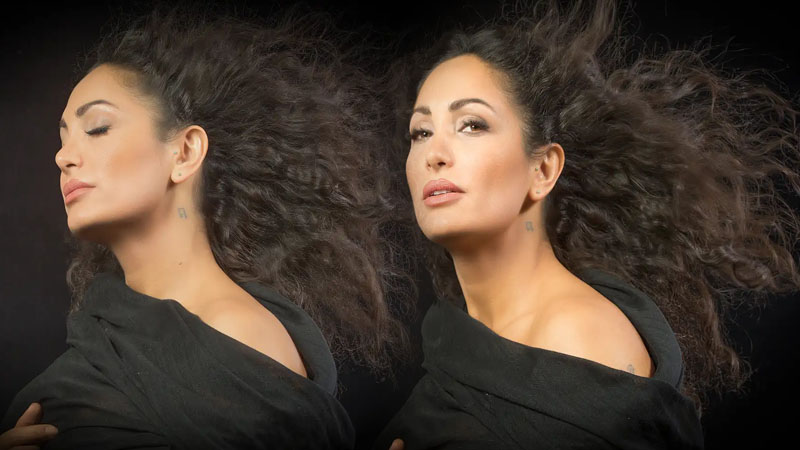
a) Casual Portrait: Personal Storytelling
These portraits express:
- Emotion
- Reativity
- Lifestyle
- Artistic identity
They speak to your personal side and can feel emotional, fun, dramatic, or reflective.
b) Business Portrait: Trust, Strength, Professionalism
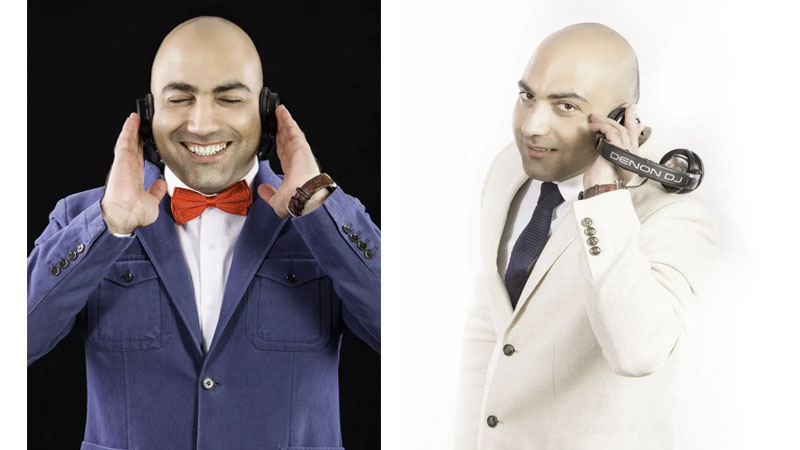
Business portraits communicate:
- Confidence
- Credibility
- Honesty
- Professional identity
This is essential for people who want to build a strong personal brand or influence in their industry.
7. Where Each Type Is Used
a) Casual Portrait Uses
- Personal blogs
- Lifestyle branding
- Family portraits
- Creative websites
- Artistic portfolios
b) Business Portrait Uses
- Professional CVs
- Website “About Us” pages
- Company profiles
- Press releases
- Corporate marketing
- Speaking engagements
Which Portrait Style Is Right for You?
You need a Business Portrait if you want to:
- Enhance your professional image
- Get more attention on LinkedIn
- Create a strong personal brand
- Look credible to clients or employers
- Use your photo for business purposes
You need a Casual Portrait if you want to:
- Show your personality
- Share creative content
- Build a lifestyle-oriented brand
- Have artistic or Instagram-friendly images
- Capture emotional or expressive moments
Most clients use both:
Business portraits for work—and casual portraits for personal branding.
Casual Portraits and Business Portraits
| Aspect | Casual Portraits | Business Portraits |
| Purpose | Show personality & lifestyle | Show professionalism & credibility |
| Style | Relaxed, creative | Formal, polished |
| Wardrobe | Casual clothing | Business attire |
| Background | Outdoors or creative settings | Studio or office |
| Posing | Natural & spontaneous | Structured & confident |
| Expression | Friendly & playful | Calm & trustworthy |
| Lighting | Natural/creative | Controlled studio lighting |
| Best For | Social media, personal branding | LinkedIn, corporate profiles |
Conclusion
Casual portraits and business portraits each have unique strengths. A casual portrait highlights creativity, emotion, and individuality. A business portrait communicates confidence, reliability, and professionalism.
Choosing the right one helps you make a powerful first impression—whether you’re connecting with an employer, a client, or your own social audience.
2 Responses
Hi,
I’m a singer and I’m planning to release a new album soon.
I was wondering if you offer business photography and album-cover design services.
If yes, could you please tell me about your packages and pricing?
Thank you for your time! 🎵
Hi,
Thank you so much for reaching out!
Yes, we do offer professional photography services suitable for artists and album projects.Our team will contact you soon to discuss the details.