
Wedding photos are more than just a few pictures; they are a visual story of one of the most important days in your life. Choosing the right location for wedding photography has a direct impact on the mood of your images, the quality of light, composition, and even the comfort of the bride and groom. The right choice can turn your photos into timeless, emotional works of art, while a poor choice can significantly affect the final result.
In this guide, we’ll explore the key criteria, types of locations, professional tips, and common mistakes when selecting a wedding photography location.
Why Is Choosing the Right Location So Important in Wedding Photography?
Choosing a wedding photography location is crucial because the environment directly influences the mood, lighting, composition, and the story of your wedding day. The right location can enhance feelings of love, intimacy, and elegance in your photos while complementing the bride and groom’s style. Conversely, even with the best equipment and editing, a poor location choice can weaken the final result. A well-chosen location helps the photographer capture real, lasting moments in the most beautiful way.
A location is more than just a background. It determines:
- The quality of natural or artificial light
- The emotional space and story of the photos
- Harmony with the wedding theme and outfits
- Ease of movement and posing for the couple
- The final style of the images (romantic, luxury, artistic, minimal, etc.)
Professional photographers often spend considerable time scouting and selecting the location before the wedding day.
Key Criteria for Choosing the Perfect Wedding Photography Location
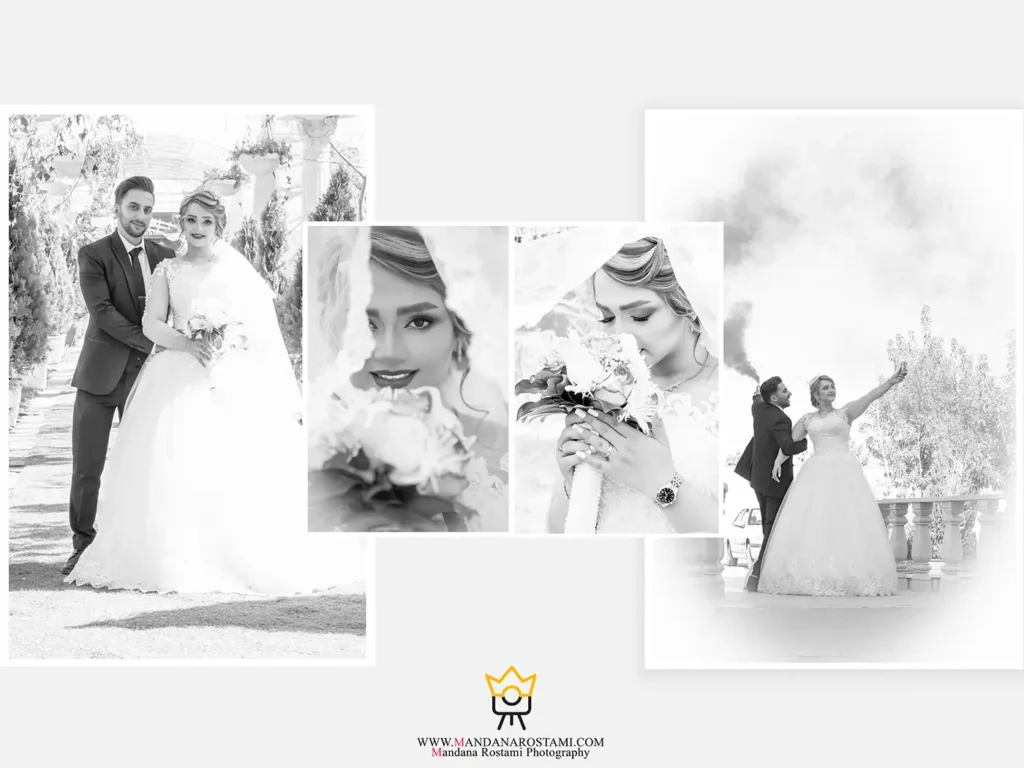
1. Photography Style and the Couple’s Preferences
The first and most important step is to define your preferred style. Do you want classic and formal photos, or more casual and natural ones? Your style directly affects the choice of location.
- Romantic style: Gardens, greenery, historic mansions
- Luxury style: Five-star hotels, modern villas, minimal spaces
- Artistic or Fine Art style: Unique locations, unusual architecture, quiet spaces
- Natural and intimate style: Nature, beaches, forests, city streets
2. Lighting and Light Direction
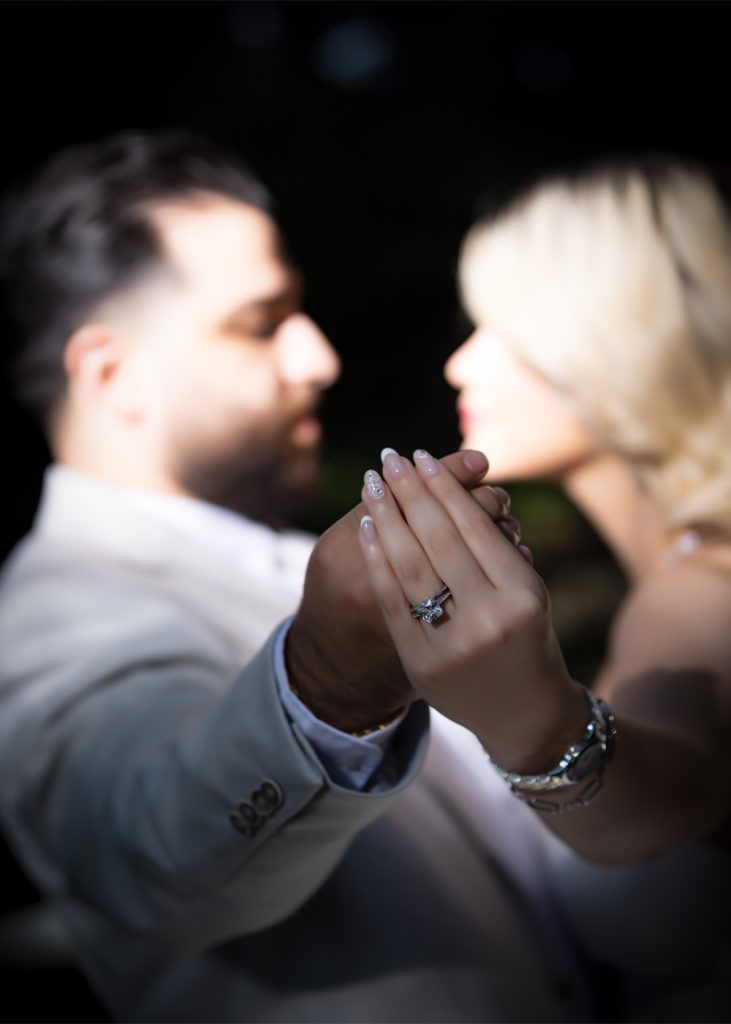
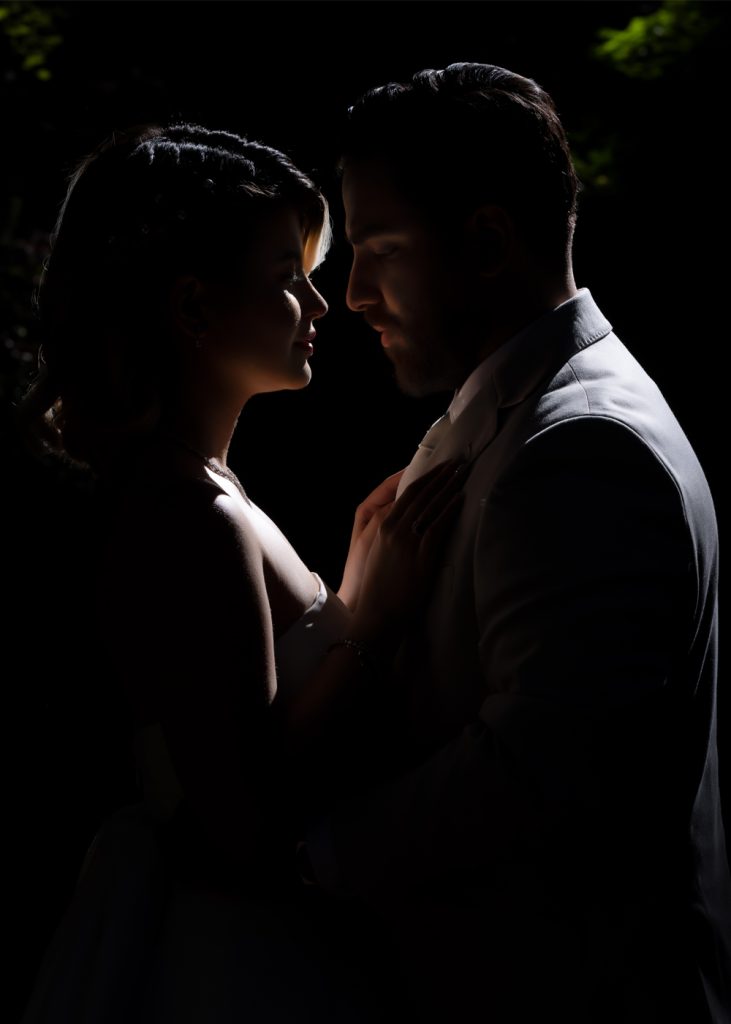
Light is the heart of photography. A beautiful location without proper lighting won’t yield good results. Consider:
- Access to natural light
- Light direction at different times of day
- Presence of soft or harsh shadows
- Ability to use artificial light if needed
Professional photographers often prefer the Golden Hour for wedding photography to achieve soft, flattering light.
3. Busy vs. Quiet Locations
Crowded locations can cause distractions, stress, and limit framing options. Ideally, choose a place where:
- Foot traffic is low
- The space can be controlled
- The focus remains on the bride and groom
In some cases, obtaining a permit for public spaces can help overcome these challenges.
4. Accessibility and Comfort
Wedding dresses, shoes, and photography equipment should not be overlooked. The chosen location should:
- Be easily accessible
- Avoid rough or uneven paths
- Provide enough space for movement and posing
- Be reasonably close to the wedding venue
Popular Wedding Photography Locations
Gardens and Green Spaces
One of the most popular choices. Natural light, vibrant colors, and a romantic atmosphere make gardens perfect for classic and romantic photos.
Night Photography Techniques: Settings, Exposure, and Essential Gear
Urban Locations
Unique streets, cafes, and modern or historic buildings create a contemporary and stylish look. Ideal for couples who prefer a non-traditional approach.
Historic Mansions and Buildings
These spaces offer a sense of elegance, heritage, and storytelling. Pairing bridal attire with classic architecture results in striking, timeless images.
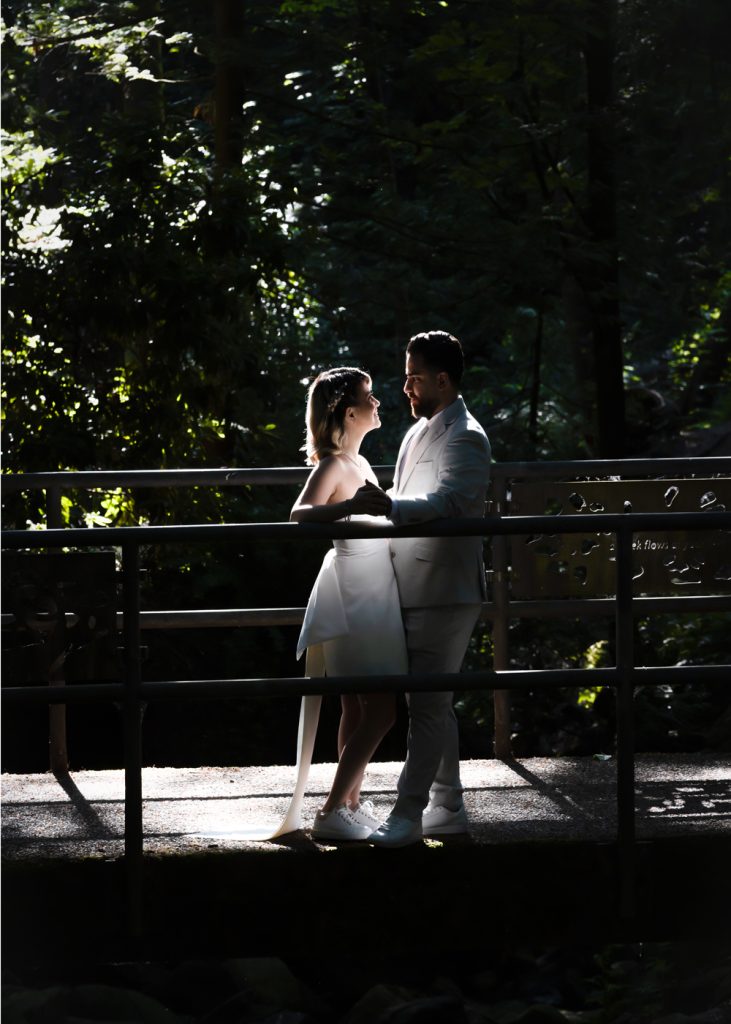
Nature (Beach, Forest, Mountains)
Perfect for couples who love simplicity and natural vibes. These locations create emotional and unique photos but require careful planning .Vancouver photographer
Studios or Controlled Spaces
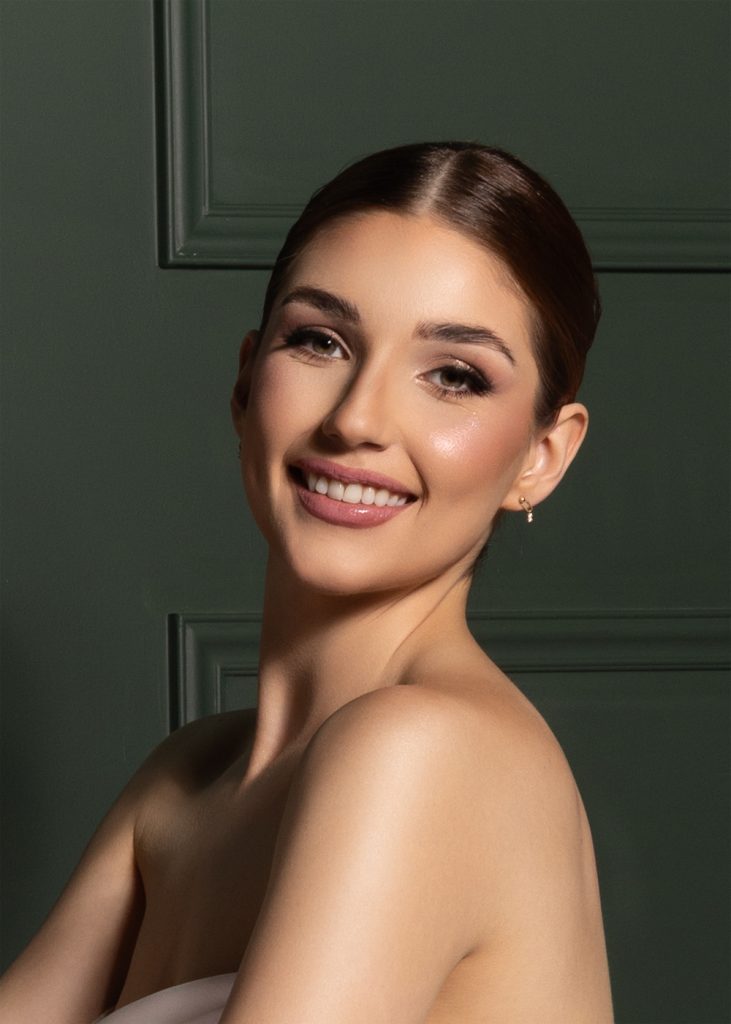
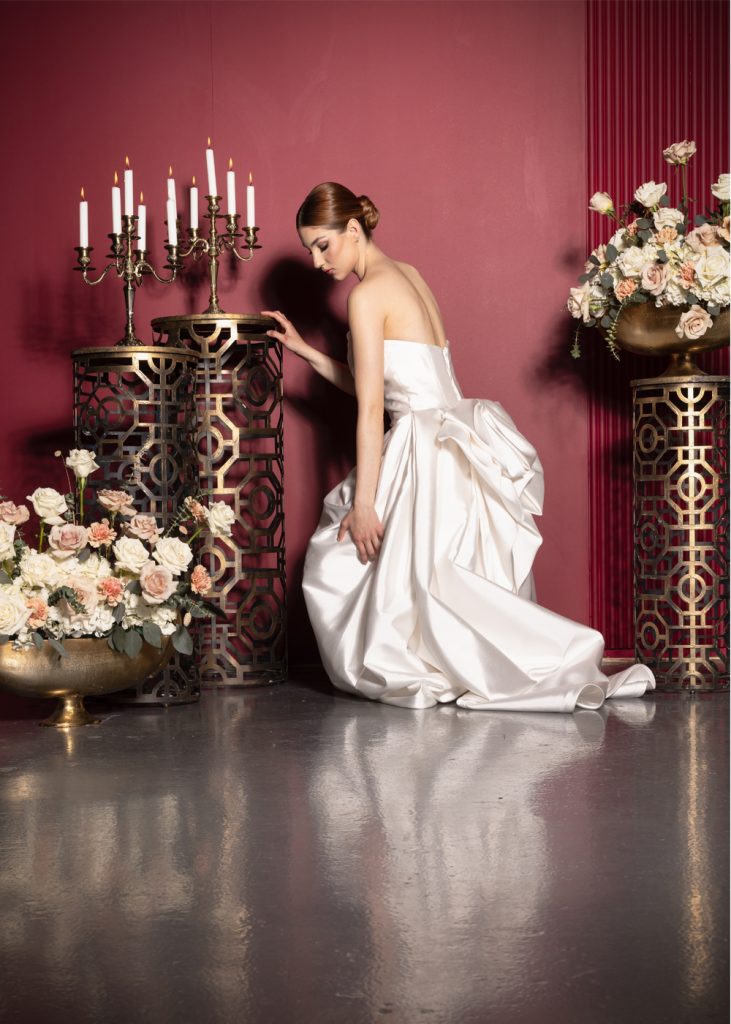
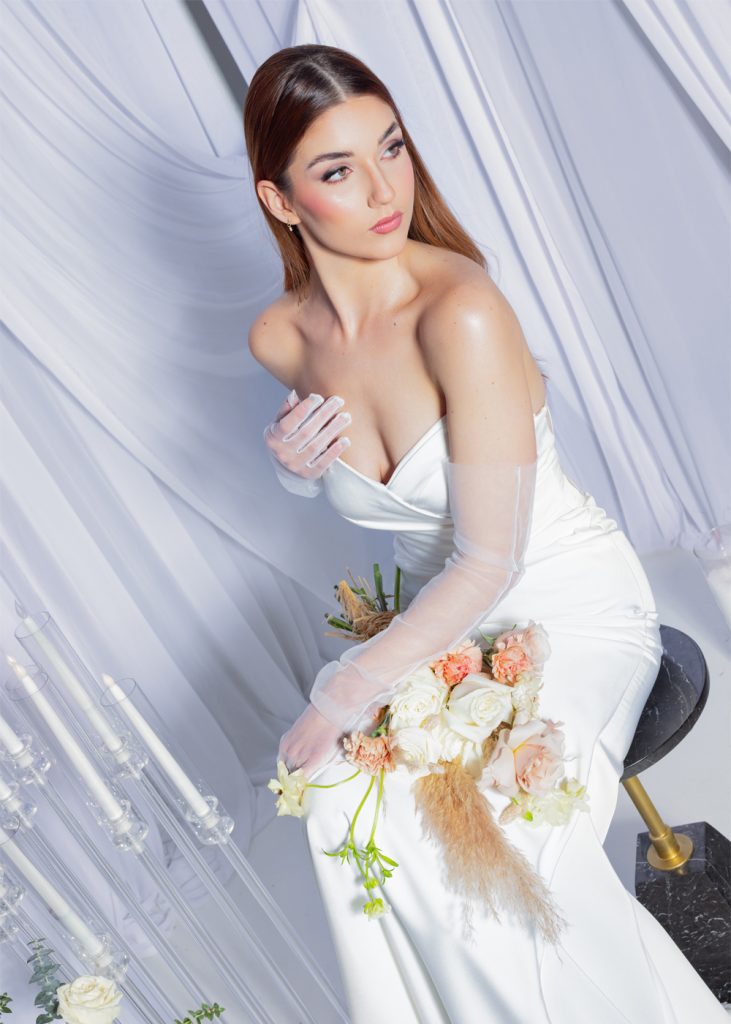
For bad weather or minimalist styles, professional studios or indoor locations offer a safe and controlled environment.
The Impact of Season and Weather
The season plays an important role in location selection:
- Spring: Gardens and green spaces with blooming flowers
- Summer: Open locations with proper shade
- Autumn: Parks and nature with warm, rich colors
- Winter: Elegant indoor spaces or snowy landscapes with special lighting
Always have a backup plan for unexpected weather conditions.
| Season | Ideal Locations | Lighting Conditions | Color Palette | Photography Tips | Challenges / Considerations |
| Spring | Gardens, parks, blooming fields, botanical gardens | Soft natural light; mornings and late afternoons are best | Pastel tones, fresh greens, floral colors | Use flowers and greenery as natural frames; shoot during Golden Hour | Occasional rain; pollen may affect allergies |
| Summer | Beaches, lakes, open gardens, urban rooftops | Bright sunlight, strong shadows; Golden Hour preferred | Vibrant colors, blues, yellows, warm tones | Avoid harsh midday sun; use reflectors or diffusers | Heat can be uncomfortable; crowded locations |
| Autumn | Forests, parks, urban streets with trees | Soft, diffused light; ideal late afternoons | Warm hues: oranges, reds, yellows, browns | Capture falling leaves for dynamic shots; contrast couple with rich colors | Shorter daylight hours; unpredictable weather |
| Winter | Snowy landscapes, cozy indoor venues, urban settings | Soft, low-angle sunlight; indoor lighting as backup | Cool tones, whites, greys, metallic accents | Use snow reflections for magical effects; layer outfits | Cold weather; snow or ice may limit mobility |
| All Seasons – Contingency | Indoor studios, covered gazebos, event halls | Controlled artificial light | Neutral or customizable backgrounds | Prepare for sudden weather changes | Ensures photoshoot can continue despite outdoor conditions |
Common Mistakes in Choosing a Wedding Photography Location
- Choosing a location just because it’s trendy
- Ignoring light and the time of day
- Selecting overly crowded places
- Picking locations too far from the venue
- Failing to coordinate with the photographer before the wedding day
The Role of a Professional Photographer in Location Selection
A professional photographer is not just there to take pictures—they are your advisor. Scouting locations for light, angles, framing, and timing is part of their expertise. Trusting an experienced photographer can greatly enhance your final results.
Mandana Rostami , with extensive experience in wedding photography, is a specialist in selecting perfect locations for capturing timeless wedding photos. Her deep understanding of light, composition, timing, and coordination with the couple’s style allows her to choose locations that match each couple’s personality and love story, creating images that not only look stunning but also convey the true emotion of the moment.
Conclusion
Choosing a wedding photography location is an emotional yet highly specialized decision. By considering personal style, lighting, season, accessibility, and consulting with a professional photographer, you can pick a location that tells your love story in the most beautiful way.
When the right location is selected, wedding photos are more than just beautiful images—they become lasting memories for a lifetime.