
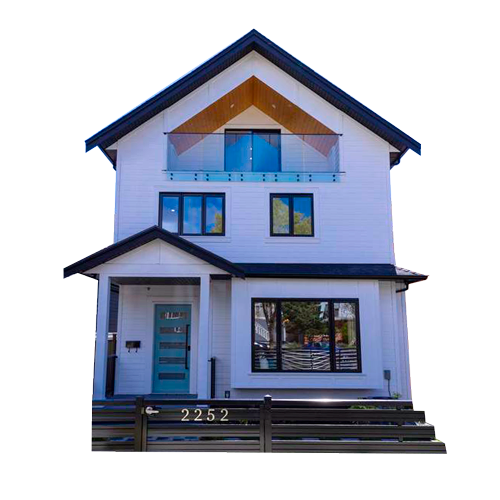
Real Estate Photographer North Vancouver
When it comes to selling or renting a property, the first impression isn’t made when someone visits—it’s made online. In today’s real estate market, most buyers start their search on digital platforms, scrolling through listings filled with photos. And that’s exactly where real estate photography plays its most powerful role. A stunning, well-lit image can turn a simple property into a dream home—and a potential buyer into a serious client.
Real Estate Photography
High-quality property photos that help spaces shine.
What Is Real Estate Photography?
A real estate photographer is a specialized professional who captures high-quality images and virtual tours of residential and commercial properties for the purpose of marketing and selling them. Unlike general photographers, they focus on:
- Architectural accuracy: Ensuring straight vertical lines and correct perspective.
- Lighting optimization: Using both natural light and off-camera flash to make interiors appear bright, spacious, and inviting.
- Wide-angle composition: Using ultra-wide lenses (typically 16–24mm on full-frame) to capture entire rooms in a single frame.
- HDR and bracketing: Shooting multiple exposures to balance bright windows with darker interiors.
- Virtual tours: Creating 360° panoramas and walkthrough videos for online listings.
Their ultimate goal is to make a property look its absolute best to attract potential buyers and reduce time on the market. They work primarily for real estate agents, property developers, and online listing platforms.
Real estate photography is the art and science of capturing a property’s interior and exterior in a way that highlights its best features. Unlike general photography, it requires an understanding of architectural lines, lighting balance, composition, and editing to create photos that look realistic yet appealing.
It’s not just about taking pictures of rooms—it’s about telling the story of a space.
A professional real estate photographer knows how to make a small apartment look bright and inviting or how to capture the luxury and spaciousness of a high-end villa. The goal is to help potential buyers or renters visualize themselves living or working in that environment.
The Ultimate Guide to Choosing the Best Real Estate Photographer in Vancouver
Why Real Estate Photography Matters
In real estate, visuals are everything. According to several industry studies, listings with professional photos receive up to 60% more views and sell 30–50% faster than those without.
Here’s why:
- First impressions count: Buyers spend just a few seconds on each listing before deciding whether to click or scroll past.
- Professional photos build trust: Clear, realistic images make a property appear well-maintained and accurately represented.
- Better visuals, higher perceived value: A well-photographed property can often command a higher price.
- Strong marketing asset: Quality photos can be reused across multiple marketing channels—social media, websites, brochures, and online ads.
Also you can see: Industrial Photography
Types of Real Estate Photography
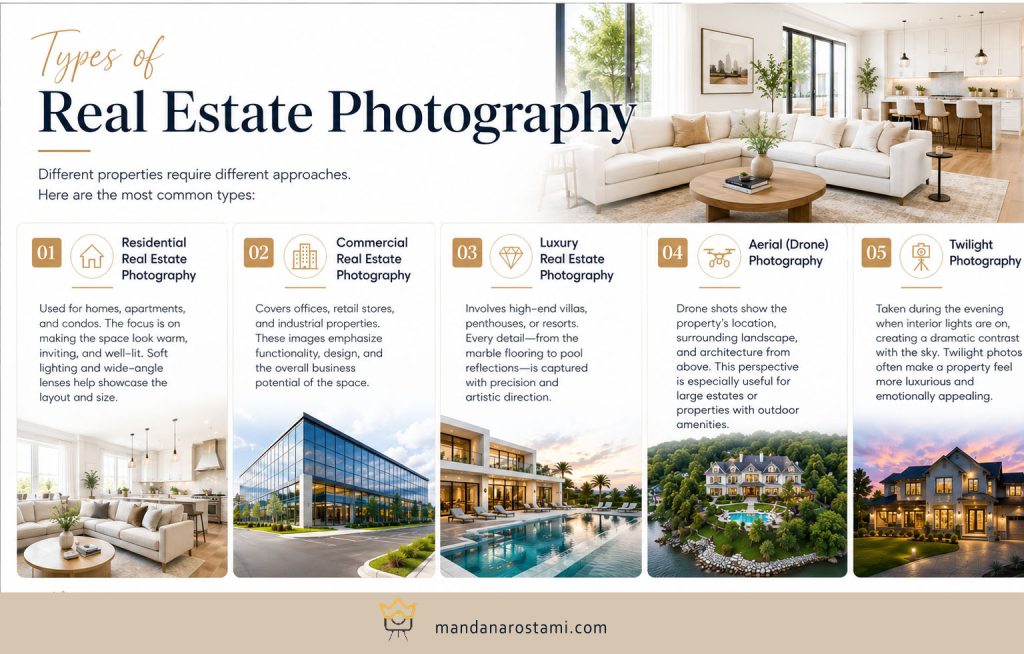
Different properties require different approaches. Here are the most common types:
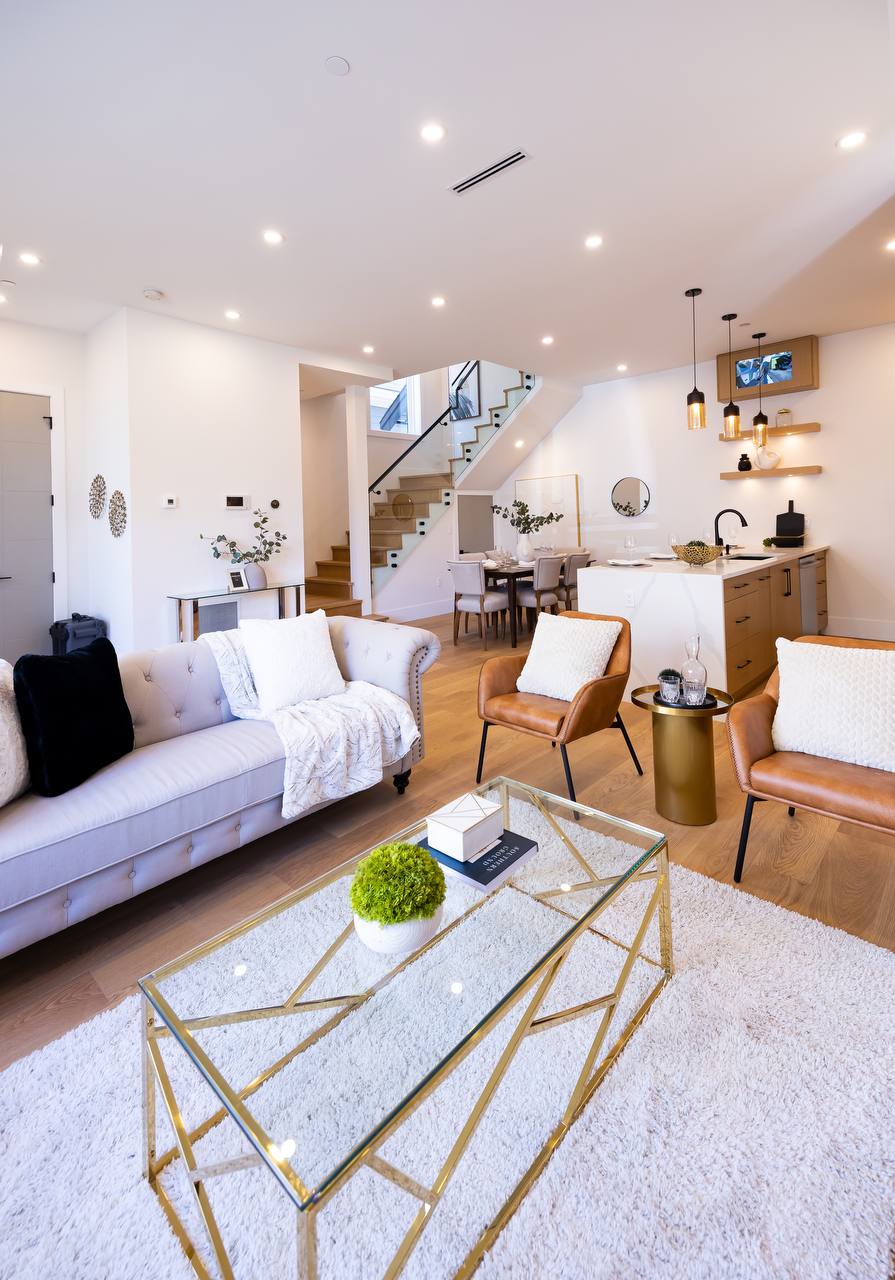
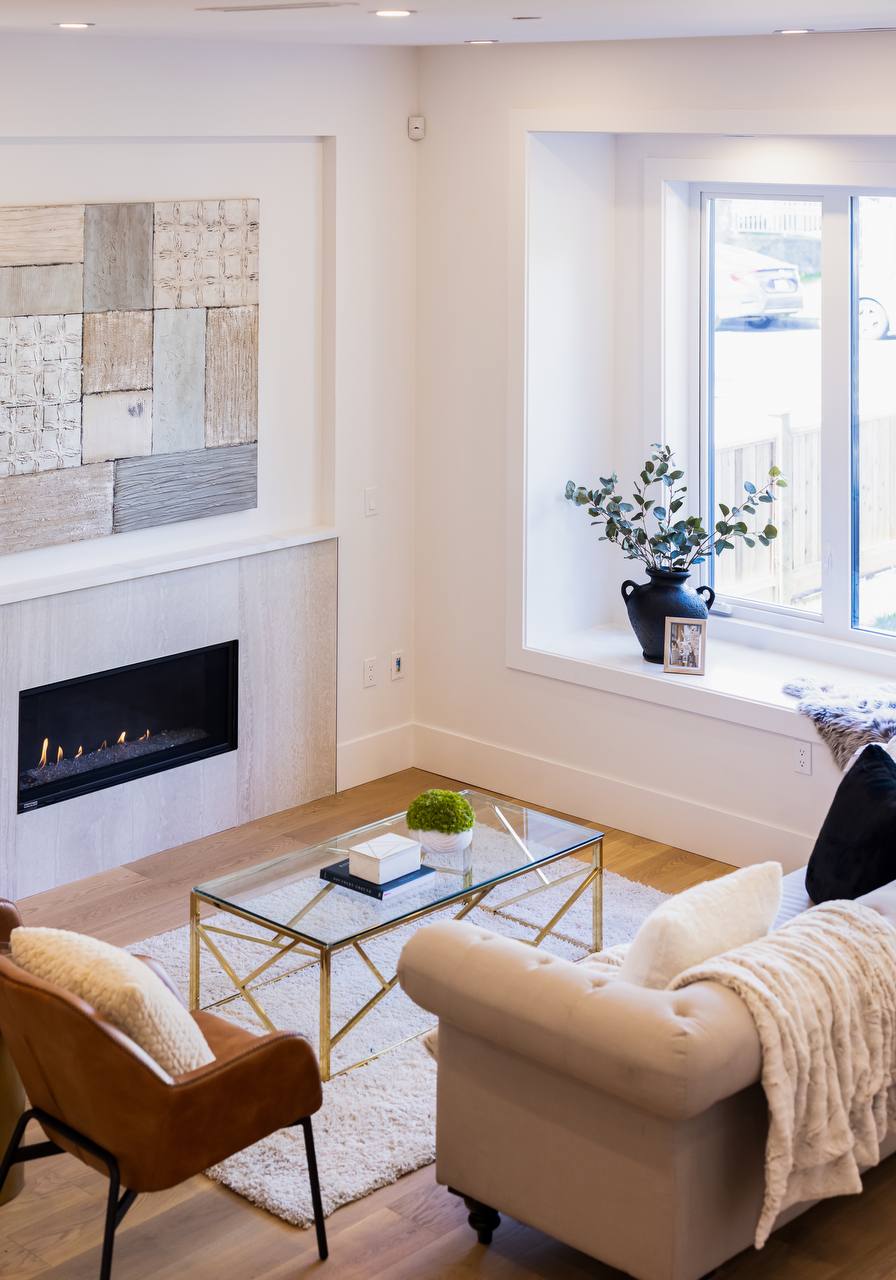
- Residential Real Estate Photography: Used for homes, apartments, and condos. The focus is on making the space look warm, inviting, and well-lit. Soft lighting and wide-angle lenses help showcase the layout and size.
- Commercial Real Estate Photography: Covers offices, retail stores, and industrial properties. These images emphasize functionality, design, and the overall business potential of the space.
- Luxury Real Estate Photography: Involves high-end villas, penthouses, or resorts. Every detail—from the marble flooring to pool reflections—is captured with precision and artistic direction.
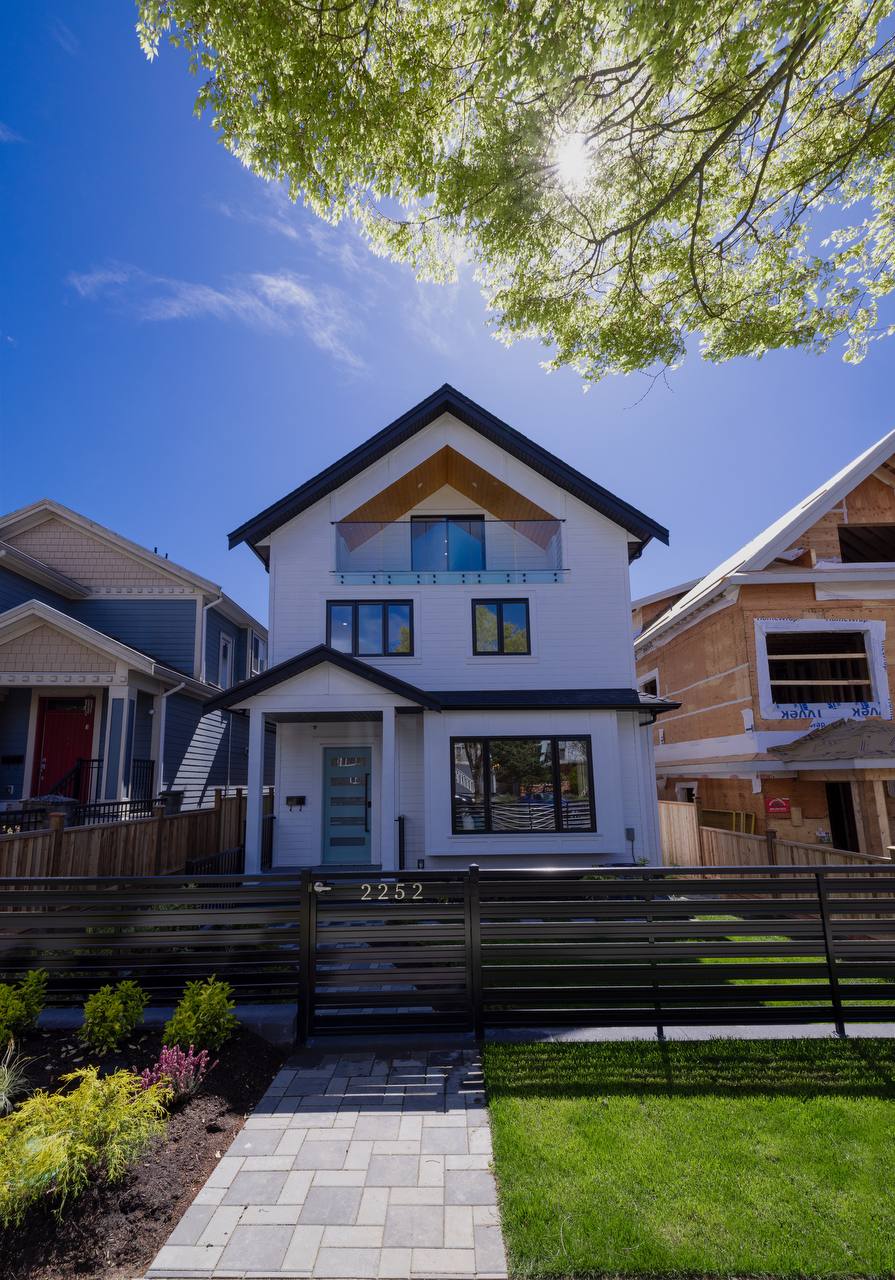
- Aerial (Drone) Photography: Drone shots show the property’s location, surrounding landscape, and architecture from above. This perspective is especially useful for large estates or properties with outdoor amenities.
- Twilight Photography: Taken during the evening when interior lights are on, creating a dramatic contrast with the sky. Twilight photos often make a property feel more luxurious and emotionally appealing.
Essential Equipment for Real Estate Photography
Professional real estate photographers rely on more than just a good camera. Here’s what’s typically used:
- DSLR or Mirrorless Camera: Offers manual control and high resolution.
- Wide-Angle Lens: Captures more of the room in one shot and provides accurate spatial perspective.
- Tripod: Keeps shots stable and allows for precise composition.
- External Flash or Lighting Kit: Helps balance shadows and illuminate darker areas.
- Drone (for aerial shots): Useful for capturing exteriors and property surroundings.
- Editing Software (Lightroom, Photoshop): Used for adjusting exposure, color, and distortion correction.
10 Golden Tips for a Professional Properties Photoshoot That Attracts Buyers
Lighting: The Key to Real Estate Photography
Lighting can make or break a real estate photo.
Natural light is usually preferred because it gives a clean, realistic look. Photographers often schedule shoots during the day when sunlight is soft—usually in the morning or late afternoon.
For darker rooms or cloudy days, artificial lighting is added strategically to maintain a natural tone. The balance between window light and indoor lighting is essential to avoid harsh contrasts.
A professional photographer understands how to control lighting temperature, shadows, and reflections to make every image bright but authentic.
Composition and Angles
The best real estate photos are not random—they’re carefully composed.
Each shot should highlight the layout and flow of the space. A few key tips include:
- Shoot from chest height to provide a natural viewpoint.
- Keep vertical lines straight—crooked walls can make spaces look distorted.
- Capture key rooms like the kitchen, living room, and master bedroom.
- Show connections between rooms to help viewers understand the layout.
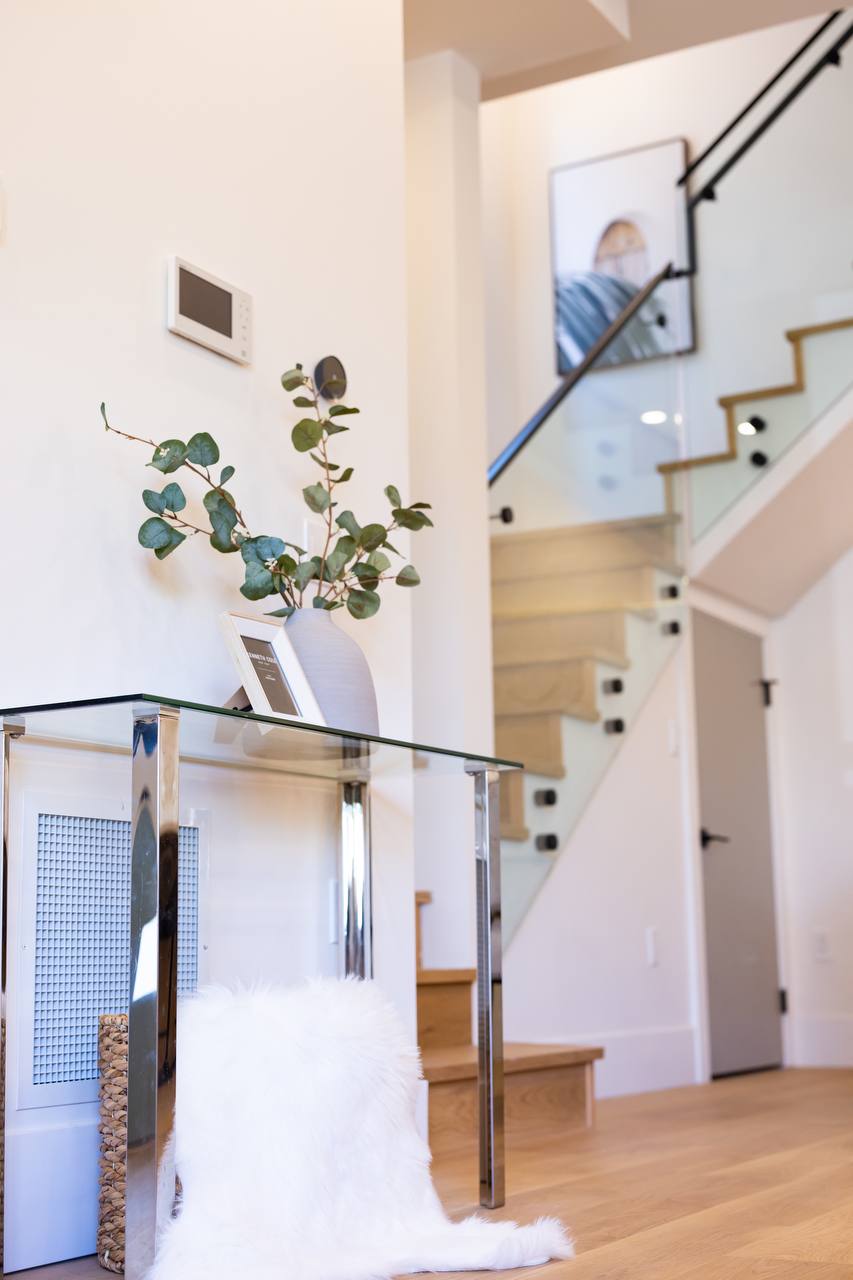
- Include a few detail shots (like textures, lighting fixtures, or decor) to add warmth and personality.
Post-Processing and Editing
Editing in real estate photography is about enhancing, not deceiving.
The goal is to correct lighting, fix color balance, and straighten lines while keeping the image true to life. Over-editing—like replacing skies or adding fake light—can mislead buyers and hurt credibility.
Common post-processing tasks include:
- Brightness and contrast adjustment
- White balance correction
- Lens distortion removal
- Sky replacement (when necessary and realistic)
- Window view enhancement
- Removing small distractions (like wires or blemishes)
Virtual Tours and 360° Photography
Modern real estate marketing goes beyond still photos.
360-degree photography and virtual tours allow potential buyers to walk through a property virtually. These tools became especially popular after the pandemic, offering an immersive and interactive experience.
Virtual tours increase engagement time and can attract international buyers who can’t visit the site in person.
Real Estate Photography for Roof Gardens and Outdoor Spaces
Outdoor features like roof gardens, pools, and terraces have become strong selling points in urban properties.
Photographers focus on capturing these areas during the “golden hour” (early morning or before sunset), when natural light adds depth and warmth. Composition often includes skyline views or architectural framing to show how the outdoor area enhances the property’s lifestyle appeal.
Tips for Real Estate Agents and Homeowners
Even before the photographer arrives, a few preparations can make a huge difference:
- Declutter rooms – remove personal items and unnecessary furniture.
- Clean windows – more light means better photos.
- Turn on all lights – it brightens the scene and adds warmth.
- Stage the space – fresh flowers, neutral decor, and tidy surfaces look more inviting.
- Coordinate with the photographer – discuss what features you want highlighted.
How Much Does Real Estate Photography Cost?
Prices vary based on property size, location, and services (like drone or twilight shots).
The cost of real estate photography varies depending on several factors such as property size, location, and the type of photography service required. Professional photographers usually offer packages that include interior, exterior, aerial, and twilight shots. High-quality photos can significantly increase the property’s market appeal, so investing in skilled photography is always worthwhile.
| Factor | Description |
| Property Size | Larger homes require more time and shots, increasing the overall cost. |
| Location | Travel distance, city regulations, or accessibility can influence pricing. |
| Type of Photography | Standard, drone, twilight, or virtual tours each have different rates. |
| Editing Level | Basic retouching or advanced post-processing affects the final cost. |
| Number of Photos | More images or panoramic views can raise the total price. |
| Delivery Time | Express or same-day delivery often adds extra charges. |
| Experience of Photographer | Highly experienced professionals charge more for their expertise. |
How to take the best real estate photography?
Follow this step‑by‑step checklist for professional results:
Before the shoot:
- Scout the property virtually or in person to plan your shot list.
- Communicate with the agent about key selling points (e.g., renovated kitchen, large backyard).
- Ask the homeowner to declutter, turn on all lights, and open curtains.
During the shoot:
- Use a tripod—essential for sharp images and HDR bracketing.
- Shoot at eye level (approximately 4–5 feet high) to create a natural, inviting perspective.
- Use a wide‑angle lens (16–24mm full‑frame equivalent) to capture room depth, but avoid going too wide (under 16mm) as distortion becomes excessive.
- Bracket your exposures—take at least 3 shots (0, -2, +2 EV) to blend later for balanced highlights and shadows.
- Shoot in manual mode with a fixed aperture of f/8–f/11 for maximum depth of field.
- Turn on all lights to add warmth and dimension.
- Capture every room from at least two angles, plus exterior shots (including drone if possible).
After the shoot:
- Edit in HDR to merge bracketed exposures.
- Straighten vertical lines using lens correction tools.
- Deliver images in sRGB color space, 3000–4000 pixels on the long edge, in JPEG format.
The Future of Real Estate Photography
Technology continues to transform this field. With the rise of AI-based editing tools, HDR techniques, and 3D rendering, real estate visuals are becoming more immersive and efficient to produce.
However, one thing remains constant: the human touch. A skilled photographer’s sense of composition, emotion, and storytelling will always make the biggest difference.
Real Estate Photography in Vancouver
Real Estate Photography in Vancouver plays a vital role in the city’s competitive housing market, where first impressions often determine how fast a property sells. With its mix of modern condos, luxury waterfront homes, and charming heritage buildings, Vancouver offers diverse architectural styles that demand professional visual storytelling. Skilled photographers in this region know how to capture natural light, emphasize space, and highlight stunning views of the mountains and ocean—turning each listing into an irresistible showcase. In a city where real estate moves quickly, high-quality photography isn’t just a bonus—it’s a necessity for standing out. Also you an see Portrait and Business Photography
Real Estate Photography with Mandana Rostami
Real Estate Photography with Mandana Rostami is where art meets precision. With her keen eye for detail and deep understanding of light, space, and composition, Mandana captures each property’s true essence—transforming ordinary rooms into inviting, emotionally engaging spaces. Her photography style blends technical expertise with artistic vision, ensuring every image highlights a property’s strengths and atmosphere. Whether shooting modern city apartments or luxury homes, Mandana’s work helps real estate agents and homeowners attract buyers faster by presenting each space at its absolute best.
Mandana Rostami is a Photographer north vancouver:
Frequently Asked Questions
Pricing depends on the property’s size and the services you need. Photography, drone, video, floor plans, and virtual tours may be offered separately or as part of a package.
Most standard homes need around 25–40 professionally edited images. Larger or luxury properties usually require more to properly showcase the space.
Yes. Professional real estate images are captured and edited specifically for online listings, with accurate colours, balanced exposure, and straight vertical lines.
Turnaround depends on the package and photographer. Standard photography is often delivered within 24–48 hours, while video, floor plans, and 3D tours may take longer.
Yes. Drone photography is especially valuable for homes with mountain, water, forest, large-lot, or waterfront views. (Real estate Videography)
Yes. Professional exposure and lighting techniques can capture both the interior and exterior views without losing important details through bright windows.
Yes. Twilight photography is ideal for homes with attractive exterior lighting, landscaping, patios, pools, or impressive architectural features.
Yes. Property videos can showcase the layout, features, atmosphere, and surrounding property in a more engaging format than still images alone.
Yes. A professional floor plan helps buyers quickly understand the property’s layout, room sizes, and flow before booking a viewing.
Declutter rooms, clean surfaces and windows, make beds, hide personal items and cables, and tidy outdoor areas. A well-prepared property photographs significantly better.
There is no single best time. The ideal schedule depends on the property’s natural light, orientation, views, and whether exterior or twilight images are required.
Yes. Condos, apartments, townhomes, detached homes, and luxury properties can all be professionally photographed.
Yes. Luxury listings can benefit from a complete visual package including architectural photography, drone imagery, video, twilight photos, and floor plans.
Yes. Photography can cover properties throughout North Vancouver, including neighbourhoods such as Deep Cove, Lynn Valley, Lower Lonsdale, and Edgemont.
Yes. Combining services into one property-media package creates a consistent set of marketing assets and simplifies the listing process.
Professional photography uses the right equipment, composition, lighting, and editing to present the property accurately while highlighting its strongest selling features.

2 Responses
سلام خانم ماندانا
ممنونم از توضیحات خوبتون شما عکاسی و تصویر برداری هوایی (drone) هم برای real estate انجام میدید؟
ممنونم
احسان
سلام آقای احسان،
بله، خدمات عکاسی و تصویربرداری هوایی با پهپاد برای پروژههای املاک و مستغلات نیز ارائه میشود، مشروط بر اینکه شرایط محل و مقررات پرواز اجازه انجام آن را بدهند. خوشحال میشوم جزئیات ملک و نیازهای شما را بررسی کنیم تا بهترین پکیج متناسب با پروژهتان پیشنهاد شود.
با احترام،
ماندانا رستمی