Black and white portrait photography is one of the most enduring and emotionally powerful forms of visual art. Removing color does not weaken an image; instead, it shifts the viewer’s attention toward more fundamental elements such as light, shadow, texture, form, and emotion.
In monochrome photography, light and shadow become the primary storytelling tools. They define structure, sculpt the face, and shape the emotional tone of the portrait. In this article, we explore the professional techniques behind lighting, contrast management, and shadow control in black and white portrait photography.
Why Light Is Essential in Black and White Portrait Photography
In color photography, hues contribute significantly to visual storytelling. In black and white imagery, however, light replaces color as the defining structural element.
Light determines how the subject is perceived. It shapes depth, creates dimension, and directs the viewer’s gaze.
Key Roles of Light:
- Defining facial volume and structure
- Enhancing skin texture
- Creating depth and separation
- Guiding the viewer’s attention
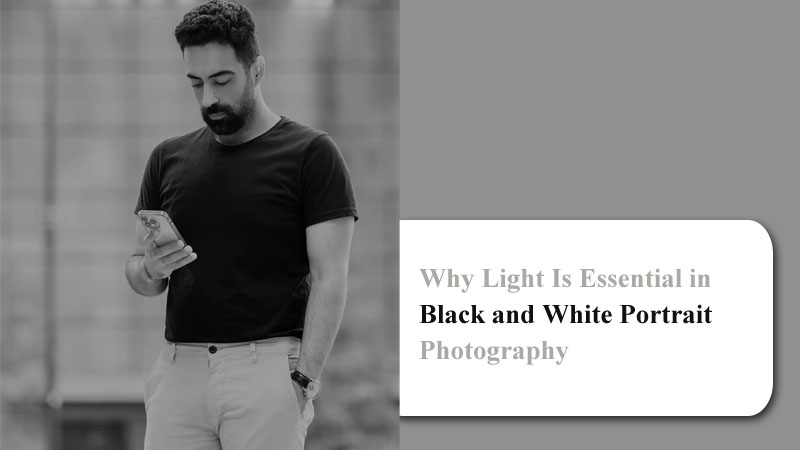
In black and white portraits, light functions like a painter’s brush. Its intensity, direction, and quality directly influence the emotional impact of the final image.
Shadow: The Dramatic Element in Monochrome Portraits
Shadows are not simply dark areas in an image; they are narrative tools. When used intentionally, shadows can:
- Create a sense of mystery
- Add visual drama and tension
- Emphasize personality traits
- Strengthen composition
In styles such as Low Key photography, shadows dominate the frame, producing a deep emotional atmosphere. Shadow placement can suggest complexity, introspection, strength, or vulnerability.
Best Settings for Portrait Photography
Types of Lighting in Black and White Portrait Photography
1. Side Lighting
Side lighting is one of the most effective techniques in monochrome portraiture.
It:
- Enhances texture
- Emphasizes facial lines and contours
- Creates strong contrast
This lighting style is especially suitable for masculine portraits, elderly subjects, and dramatic artistic images.
Night Photography Techniques: Settings, Exposure, and Essential Gear
2. Rembrandt Lighting
Rembrandt lighting creates a small triangle of light on the cheek opposite the light source.
It:
- Produces a classic and painterly effect
- Maintains balance between light and shadow
- Works well for formal and artistic portraits
This timeless technique is ideal for subjects with well-defined facial structures.
3. Butterfly Lighting
Butterfly lighting places the light source directly above and in front of the subject.
It:
- Creates a subtle shadow beneath the nose
- Enhances facial symmetry
- Produces a softer, more refined appearance
Commonly used in fashion and beauty photography, this setup flatters symmetrical faces.
4. High Key Lighting
In High Key portraits:
- Shadows are soft and minimal
- The image appears bright and clean
- The mood feels light and minimalistic
This approach is ideal for commercial, advertising, or child portraits that require a gentle and positive atmosphere.
Difference Between Casual Portraits and Business Portraits: Which One Is Right for You?
Comparison of Lighting Styles in Black and White Portrait Photography
| Lighting Type | Light Angle | Contrast Level | Main Visual Feature | Emotional Impact | Common Use | Best For |
| Side Lighting | 90° to subject | High | Strong texture & contour definition | Dramatic, serious | Artistic, documentary | Strong facial features, elderly subjects |
| Rembrandt | 45° from above | Medium to High | Triangle of light on cheek | Classic, deep | Formal & artistic portraits | Structured facial forms |
| Butterfly | Front and above | Medium | Soft shadow under nose | Elegant, balanced | Fashion & beauty | Symmetrical faces |
| Low Key | Focused & controlled | Very High | Dominant shadows | Mysterious, emotional | Conceptual, cinematic | Expressive subjects |
| High Key | Diffused & broad | Low | Bright image with soft shadows | Soft, positive | Advertising, children | Calm, friendly subjects |
| Flat Lighting | Direct & aligned | Low | Minimal shadows | Neutral, simple | Corporate portraits | Young subjects, smooth skin |
| Loop Lighting | Slightly angled | Medium | Small shadow beside nose | Natural, balanced | General portraiture | Most face shapes |
Contrast: The Heartbeat of Black and White Portraits
Without color, tonal contrast becomes the primary method for separating elements in the image.
High Contrast:
- Adds drama
- Draws attention to specific details
- Conveys strength and intensity
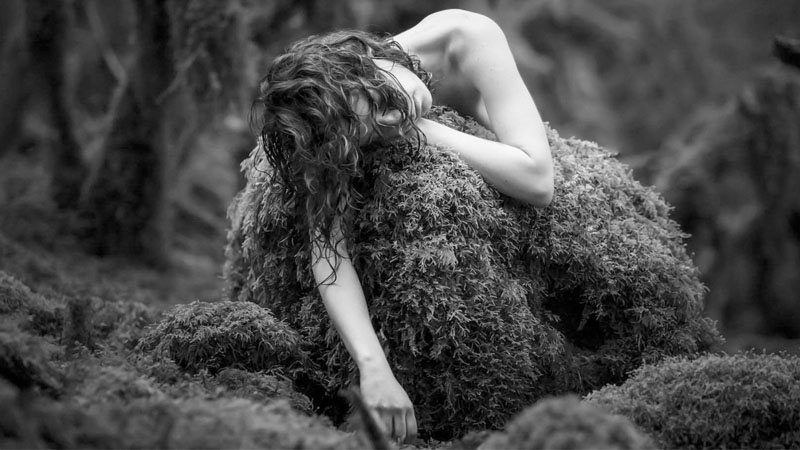
Low Contrast:
- Produces a softer, more emotional look
- Suitable for poetic or intimate portraits
Effective contrast control happens both during the shoot and in post-processing using software such as Lightroom or Photoshop.
You can see Wedding Photographer in Vancouver
The Importance of Texture in Black and White Portraits
One of the strongest advantages of removing color is the enhanced visibility of texture.
Side or angled lighting can:
- Reveal wrinkles and fine lines
- Emphasize skin, hair, and clothing details
- Increase realism and tactile presence
For this reason, many documentary and fine art photographers prefer black and white portraiture.
Camera Settings for Better Light and Shadow Control
To capture professional black and white portraits, consider the following:
- Use low ISO to preserve fine details
- Shoot with a wide aperture (f/1.8 – f/2.8) for shallow depth of field
- Capture in RAW format for greater tonal flexibility
- Monitor the histogram to prevent highlight clipping
Precise exposure control is critical because recovering lost highlights in monochrome images is often difficult.
Professional Editing in Black and White Portrait Photography
Editing a monochrome portrait involves far more than simply removing color.
Important steps include:
- Adjusting Exposure and Contrast
- Controlling Highlights and Shadows
- Using Dodge and Burn to enhance facial structure
- Refining Clarity and Texture for detail enhancement
Professional editing can significantly amplify the visual power of light and shadow.
The Psychology of Light and Shadow
Light and shadow are not merely technical tools; they define the emotional language of an image. Lighting choices can completely alter how viewers perceive the subject’s personality.
- Direct and clear lighting conveys honesty and transparency.
- Deep shadows suggest complexity and mystery.
- High contrast communicates strength, drama, and tension.
- Soft lighting creates a calm, intimate, and gentle mood.
Lighting decisions should always align with the subject’s personality and the intended message of the portrait.
Professional Vancouver photographer capturing your most meaningful moments with artistic precision and natural light. Book your session today and turn your memories into timeless visual stories.
Conclusion
The power of light and shadow in black and white portrait photography goes far beyond technique. They are the primary language of the image. In the absence of color, light sculpts form, and shadow creates emotion.
A successful monochrome portrait results from careful control of light intensity, direction, contrast, and a deep understanding of visual storytelling. In black and white photography, light shines—and shadow speaks.