One of the most common questions business owners ask before ordering product photography is:
Should we photograph our products in a studio or in a real location?
This question is completely valid. Choosing the wrong approach can result in images that look good but fail to communicate your brand message or convert viewers into customers.
The truth is, there is no one size fits all answer. The better option depends on your product type, brand identity, marketing goals, and where the images will be used. In this article, we break down both approaches clearly and practically to help you make the right decision for your brand.
What Is Studio Product Photography?
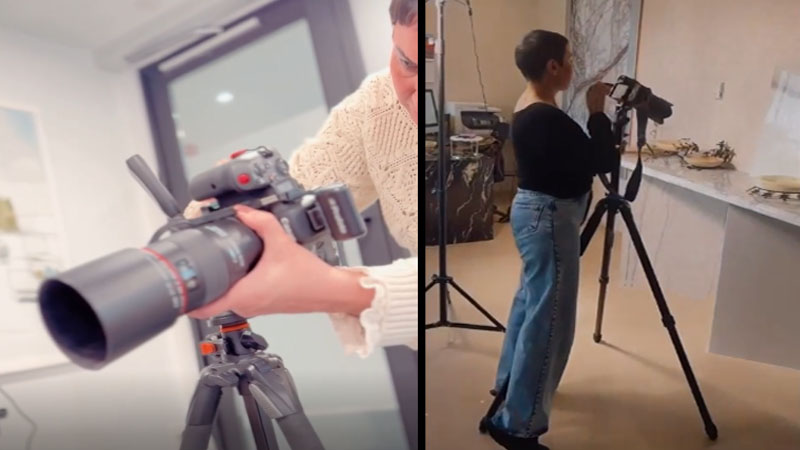
Studio product photography takes place in a fully controlled environment. Lighting, background, camera angles, shadows, and reflections are carefully managed by the photographer. Most studio shoots use clean backgrounds such as white, black, or neutral colors to keep the focus entirely on the product.See also Industrial Photography
Advantages of Studio Product Photography
- Full control over lighting and details
- Accurate color representation and texture clarity
- Ideal for ecommerce websites and online stores
- Consistent look across multiple products
- Easier professional retouching
Because of these benefits, studio photography is often the first choice for brands selling products online.(photographer north vancouver)
Disadvantages of Studio Photography
- Images may feel too formal or sterile
- Limited emotional connection
- Less sense of real world use
Industrial vs. Advertising Photography: Key Differences Explained
What Is On Location Product Photography?
Location photography captures products in real or styled environments such as homes, cafés, offices, outdoor spaces, or lifestyle settings related to the product’s use. This approach focuses more on storytelling and emotional engagement.
Advantages of Location Product Photography
- Creates a realistic and relatable feel
- Shows how the product is used in everyday life
- Builds stronger emotional connection with the audience
- Perfect for social media and advertising campaigns
This style helps customers imagine themselves using the product, which can significantly influence buying decisions.
Disadvantages of Location Photography
- Less control over lighting and environment
- Risk of distracting backgrounds
- Requires more planning, time, and coordination
- Costs may be less predictable
Small Business Photography: How to Build Trust Through Images
Studio vs Location Product Photography Comparison
| Criteria | Studio Photography | Location Photography |
| Lighting control | Very high | Limited |
| Focus on product | Maximum | Moderate |
| Emotional impact | Low to medium | High |
| Ecommerce suitability | Excellent | Moderate |
| Social media performance | Moderate | Excellent |
| Cost predictability | High | Variable |
Which Option Works Best for Your Business?
1- If You Run an Online Store
If your main goal is selling through your website or marketplaces, studio product photography is the smarter choice. Clean, consistent images build trust and help customers make faster purchasing decisions.
2- If Brand Storytelling Matters More
If your focus is branding, lifestyle marketing, or social media presence, location photography delivers stronger emotional impact and helps your brand feel more human and relatable.
How to Choose the Right Industrial Photographer for Your Company
3- If You Want the Best of Both Worlds
Many successful brands use a combination of both styles:
- Studio images for websites and product listings
- Location images for social media, ads, and branding
This strategy balances clarity and emotion.

The Role of a Professional Photographer in Choosing the Right Style
Choosing between studio and location photography should not be based on trends or personal preference alone. A professional photographer evaluates:
- Product type and functionality
- Target audience behavior
- Platforms where images will be used
- Brand tone (luxury, minimal, friendly, or bold)
At MandanaRostami, product photography is approached strategically, ensuring every image serves a clear marketing purpose.
Common Mistakes Brands Make in Product Photography
A frequent mistake is choosing a style based solely on budget or popularity. For example:
- Photographing technical products in busy lifestyle environments
- Using overly minimal studio shots for emotional or lifestyle products
The result is often visually appealing images that do not convert.
Final Verdict: Studio or Location?
To summarize:
- Studio photography is best for clear product presentation and ecommerce
- Location photography excels at storytelling and emotional branding
- The strongest results usually come from combining both approaches
Product photography should not just look good. It should work for your business goals.
If you are unsure which approach suits your brand, professional consultation before the shoot can save time, budget, and costly mistakes.
Also you ca see: Family photography Vancouver