
Fine Art Photographer North Vancouver
Fine art photography is a creative and expressive form of photography in which the artist uses the camera as a tool to communicate a personal vision, emotion, or concept rather than simply documenting reality. Every element—light, composition, color, and post-processing—is intentionally crafted to convey a deeper message or evoke a specific mood. Unlike commercial or documentary photography, fine art focuses on artistic interpretation, allowing the photographer to transform ordinary subjects into meaningful, conceptual, and visually compelling works of art.
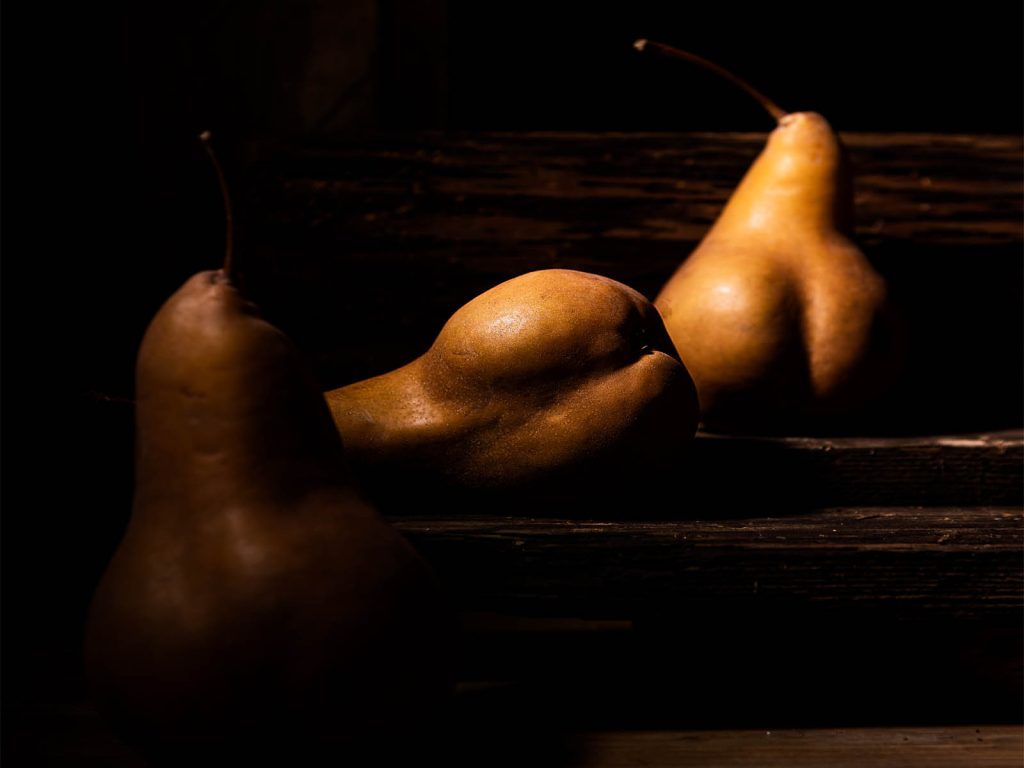
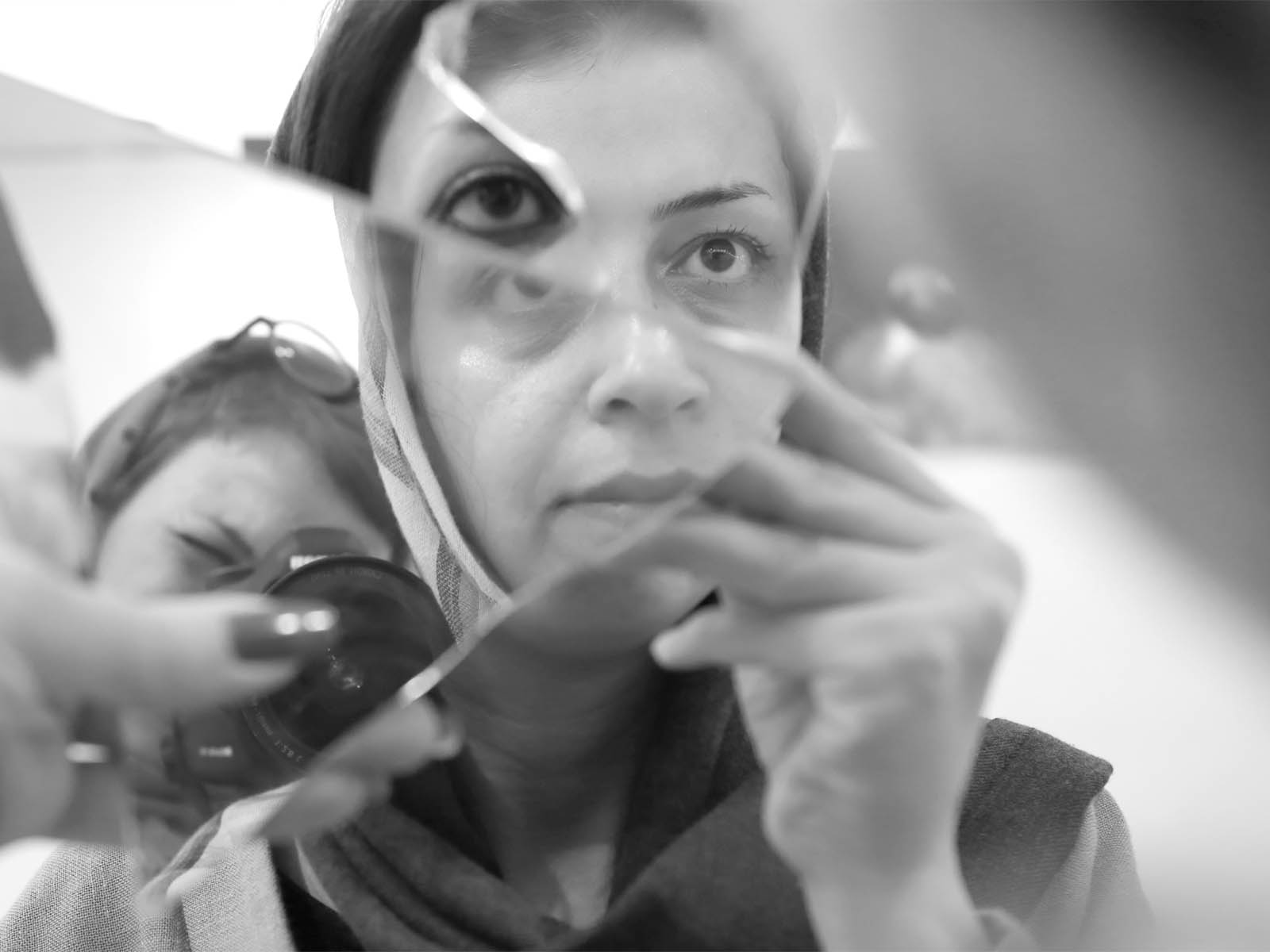
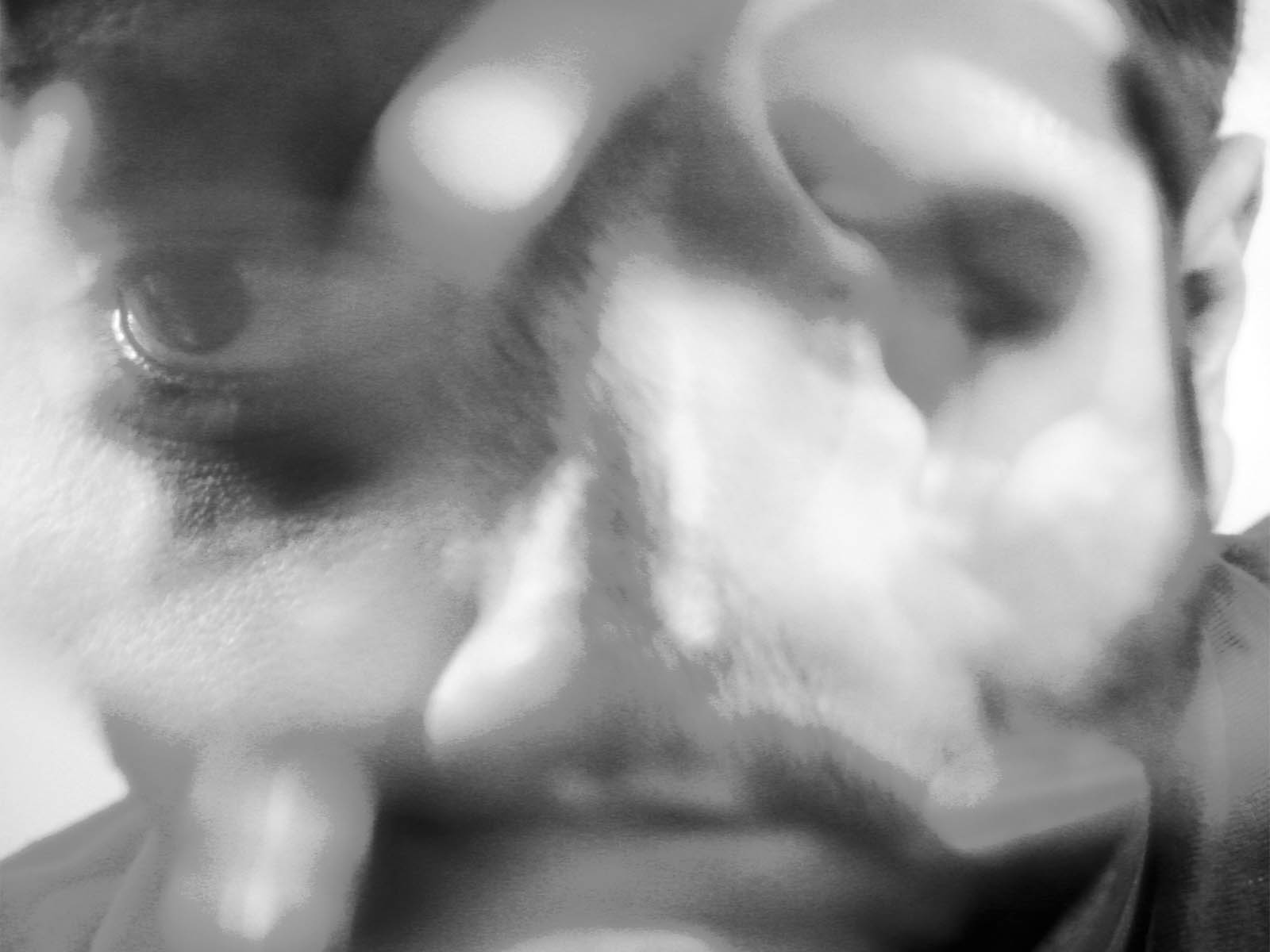
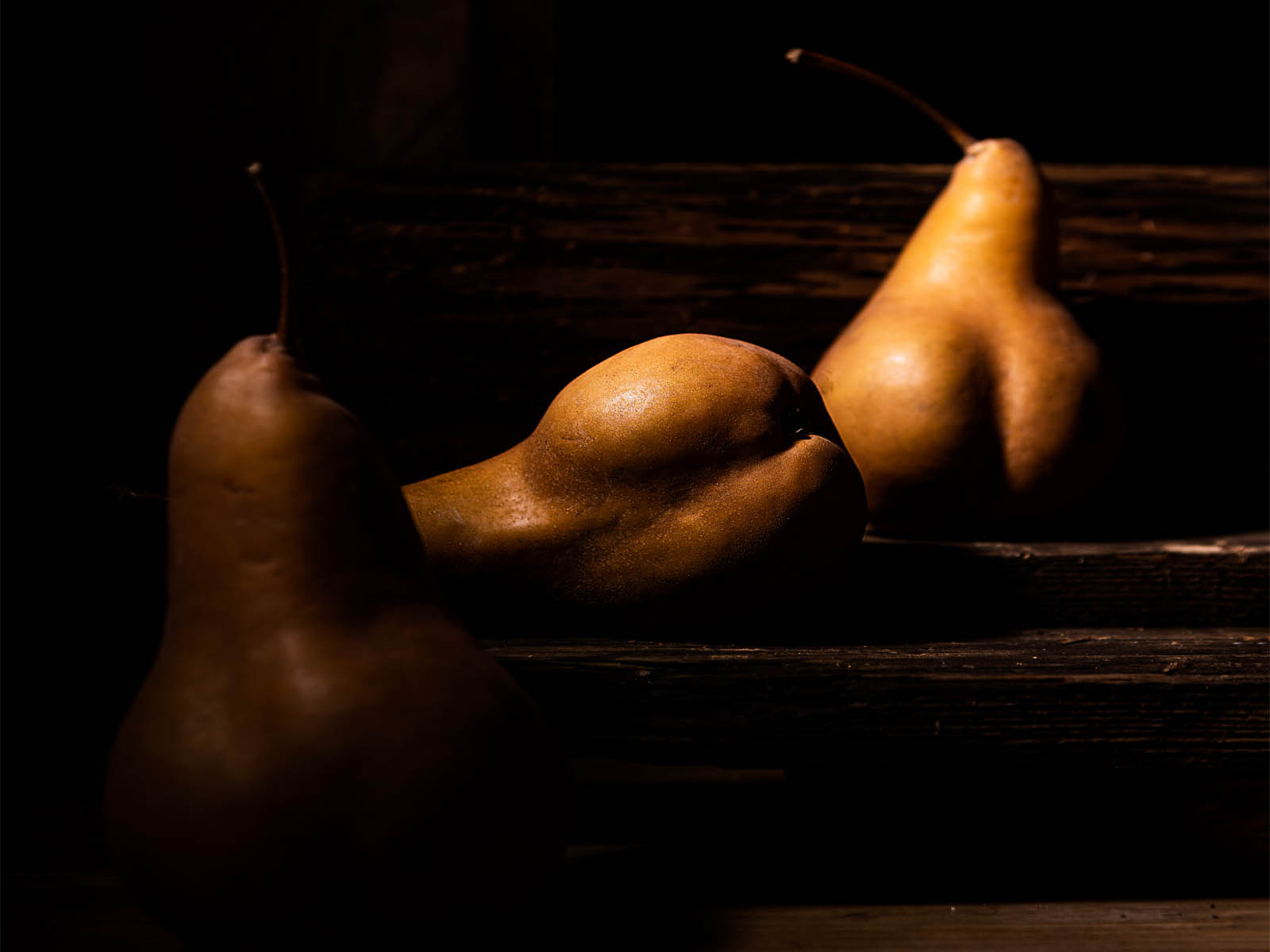
The images in the above gallery are completely raw and have not been edited or enhanced in any way. They were captured as-is, directly at the moment of shooting.
What Is Fine Art Photography?
Fine art photography is a powerful artistic medium that transforms the camera into a tool for personal expression, storytelling, and creative exploration. Unlike traditional photography—where the goal is to document moments or capture reality—fine art photography begins with an idea or emotion the artist wants to convey. Through intentional use of light, composition, symbolism, and post-processing, the photographer shapes an image that reflects an inner vision rather than the external world as it is. The result is a visual artwork that invites viewers to feel, interpret, and connect with the deeper meaning behind the photograph.
Fine art photography goes far beyond documenting reality. It is a form of visual expression in which the photographer acts as an artist—shaping an idea, emotion, or personal vision into a photographic artwork.
In this genre, a photograph is not just a captured moment; it is a crafted interpretation of what the artist feels, thinks, or imagines.
Fine art photography is driven by intention. Every element—light, composition, color, texture, and post-processing—is carefully chosen to communicate a deeper message, evoke emotion, or invite the viewer into a conceptual world.
Key Characteristics of Fine Art Photography
- Concept-Driven Creation: A fine art image is rooted in a clear concept. The photographer begins with an idea—such as solitude, memory, hope, identity, or surreal imagination—and builds the image around that idea.
- Personal Expression: Fine art is not about what the subject is, but what the artist wants it to represent. Each photograph reflects the photographer’s inner world, emotions, and artistic interpretation.
- Artistic Use of Light and Composition: Minimal compositions, dramatic lighting, symbolic elements, and unconventional perspectives are often used to create mood and meaning.
- Creative Editing as Part of the Process: Post-processing is not merely correction; it is an artistic tool. Colors, tones, textures, and contrasts are refined to support the intended atmosphere.
- Emotional and Intellectual Engagement: The goal is not only visual beauty but emotional impact—an image that makes the viewer feel, question, or reflect.
Key Points in Fine Art Photography
| Key Point | Description |
| Concept & Vision | Every fine art photograph begins with a clear idea, emotion, or message the artist wants to express. |
| Personal Expression | The image reflects the photographer’s unique perspective, feelings, and artistic interpretation. |
| Intentional Composition | Composition, framing, and spatial arrangement are carefully planned to support the concept. |
| Creative Use of Light | Light and shadow are used deliberately to create mood, depth, and symbolism. |
| Artistic Editing | Post-processing enhances the emotional and conceptual impact of the final artwork. |
Why Fine Art Is More Than Just Photography
In fine art photography, the camera is simply a medium.
The true artwork lies in the vision behind the image.
- The photo becomes a form of storytelling.
- The subject becomes a metaphor or symbol.
- The final image becomes an expression of the artist’s unique perspective.
Unlike commercial or documentary photography, fine art does not follow strict rules or seek to illustrate reality. Instead, it invites the viewer into a world shaped by imagination and meaning.
How Fine Art Photography Is Created
- Concept & Vision
The process begins long before the camera is lifted. The artist defines the message, feeling, or story they want to communicate. - Selecting the Subject & Environment
The subject may be a human form, an object, an empty space, or a surreal composition—what matters is how it supports the concept. - Intentional Composition & Light
Every detail, from framing to shadows, is chosen with purpose to reinforce the mood. - Artistic Post-Processing
Editing completes the artwork, allowing the photographer to translate their inner vision into a final, expressive image. - Presentation
Fine art photographs are often displayed in galleries, exhibitions, and high-quality prints, accompanied by an artist statement that deepens understanding.
Art Beyond Reality: Understanding Key Fine Art Movements
Dadaism
Dadaism is an art movement rooted in rebellion against logic, tradition, and established artistic rules. It embraces chaos, irony, and randomness as tools of expression. Meaning is often unclear or intentionally absurd. The main goal is to challenge the viewer’s expectations and conventional thinking.
Minimalism
Minimalism focuses on simplicity and the reduction of elements to their essentials. It uses limited forms, colors, and compositions to create impact. Every element is intentional, and nothing is decorative or unnecessary. The style aims to communicate ideas through clarity and restraint.
Surrealism
Surrealism explores the subconscious mind, dreams, and imagination beyond rational reality. It often presents strange or impossible scenes as if they were natural. The purpose is to surprise the viewer and question everyday perceptions of reality. Surrealism blurs the line between dream and truth.
Impressionism
Impressionism emphasizes capturing a moment, light, and atmosphere rather than precise details. Artists focus on personal perception and emotional response to a scene. Color and light changes play a central role. The style conveys the feeling of an instant rather than an exact representation.
Abstract Art
Abstract art moves away from direct representation of the physical world. It relies on shapes, colors, forms, and movement to express ideas or emotions. The subject may be unrecognizable or entirely conceptual. Interpretation is highly personal and open to the viewer.
The Value of Fine Art Photography Today
In a world flooded with images, fine art photography stands apart.
It reminds us that photography is not only a tool for capturing life—it is a language of emotion, imagination, and personal expression.
Fine art pieces create connection, spark curiosity, and bring an artistic presence to homes, galleries, and curated spaces.
Mandana Rostami is a Photographer north vancouver:
Frequently Asked Questions
What is the main difference between fine art photography and regular photography?
Fine art photography focuses on the artist’s personal vision, concept, and emotional expression, while regular photography typically records real-life moments or subjects without deeper conceptual intention.
Do fine art photographs need to follow a specific visual style or theme?
No. Fine art photography does not require a fixed style. The artist is free to choose any theme, aesthetic, or technique as long as it aligns with the concept and conveys a clear message or feeling.
Can any subject be used in fine art photography?
Absolutely. Anything—from a human figure or landscape to a simple object or abstract form—can become fine art if it is used intentionally to communicate an idea or emotion.